 01
01Accept the welcome
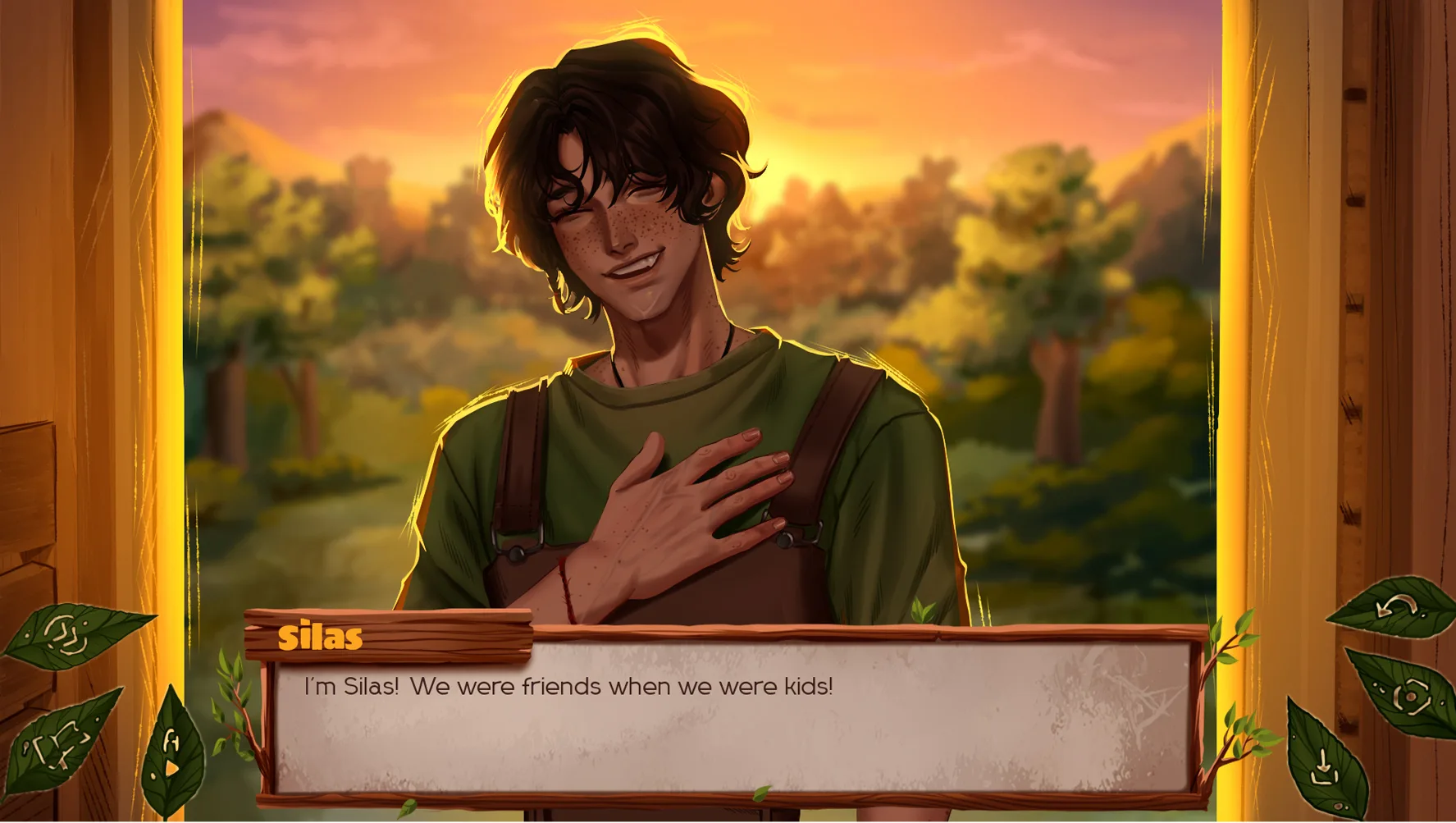
The farm greets you with open color and familiar language, asking for trust before you have recovered the memories needed to grant it.

THE DAYLIGHT REMEMBERS
Contains mature psychological horror themes. Viewer discretion is advised.Archive story · Psychological horror
Return to a bright family farm where affection feels rehearsed, memory refuses to settle, and every warm answer casts a longer shadow.




Field report · 01
The False Sun is a psychological horror visual novel that understands how frightening a pleasant day can become when its details refuse to agree. The setting initially offers familiar comforts: open fields, warm light, an old family place, and people who speak as though your arrival completes a story already in progress. Nothing needs to leap from a dark corner. The unease grows from the suspicion that everyone else remembers the day more confidently than you do, and that accepting their version of events may be easier than defending your own.
This page presents The False Sun online in the same archive-style interface as Temple of the Jackal. The player comes first, followed by a spoiler-conscious guide, real images from the game, two videos, practical browser help, and a substantial introduction for readers deciding whether its particular kind of slow pressure suits them. The surrounding design deliberately keeps the Temple site's sandstone, ink, and museum-label character while allowing the game's yellow fields and dark interior choices to provide a separate visual temperature.
01The farm greets you with open color and familiar language, asking for trust before you have recovered the memories needed to grant it.
 02
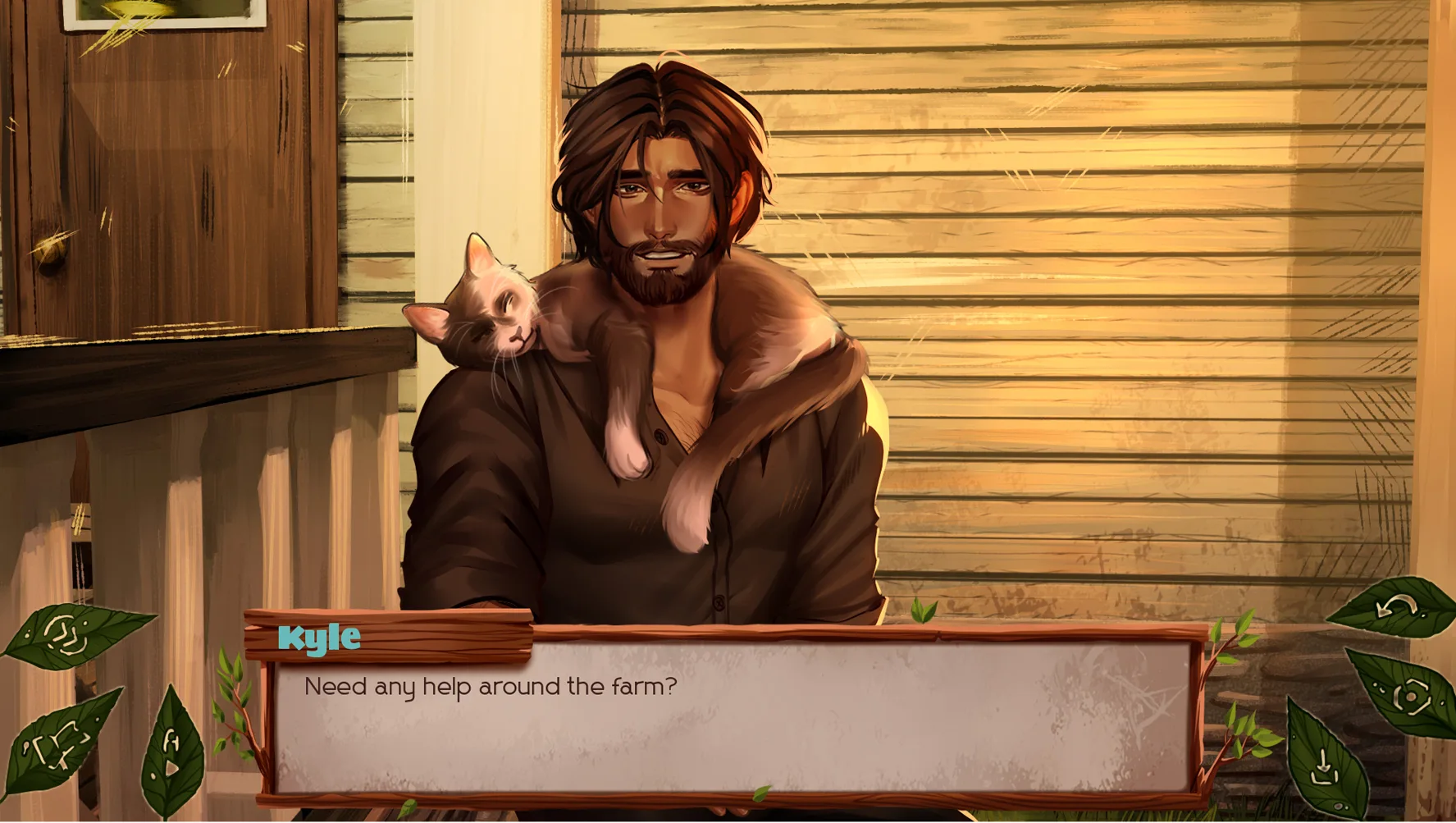
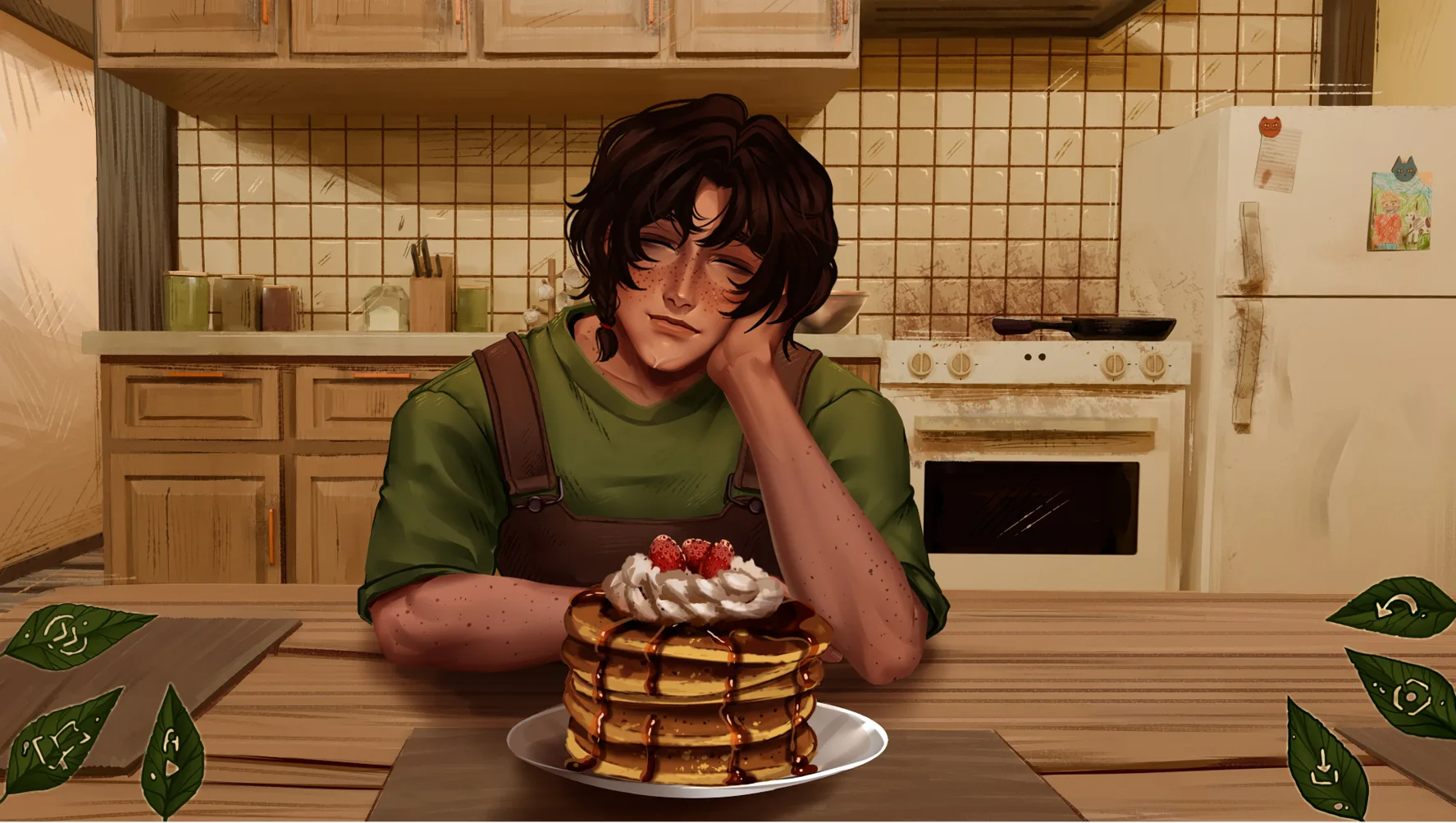
02Expressions, pauses, and repeated phrases carry as much information as the dialogue printed inside the box.
 03
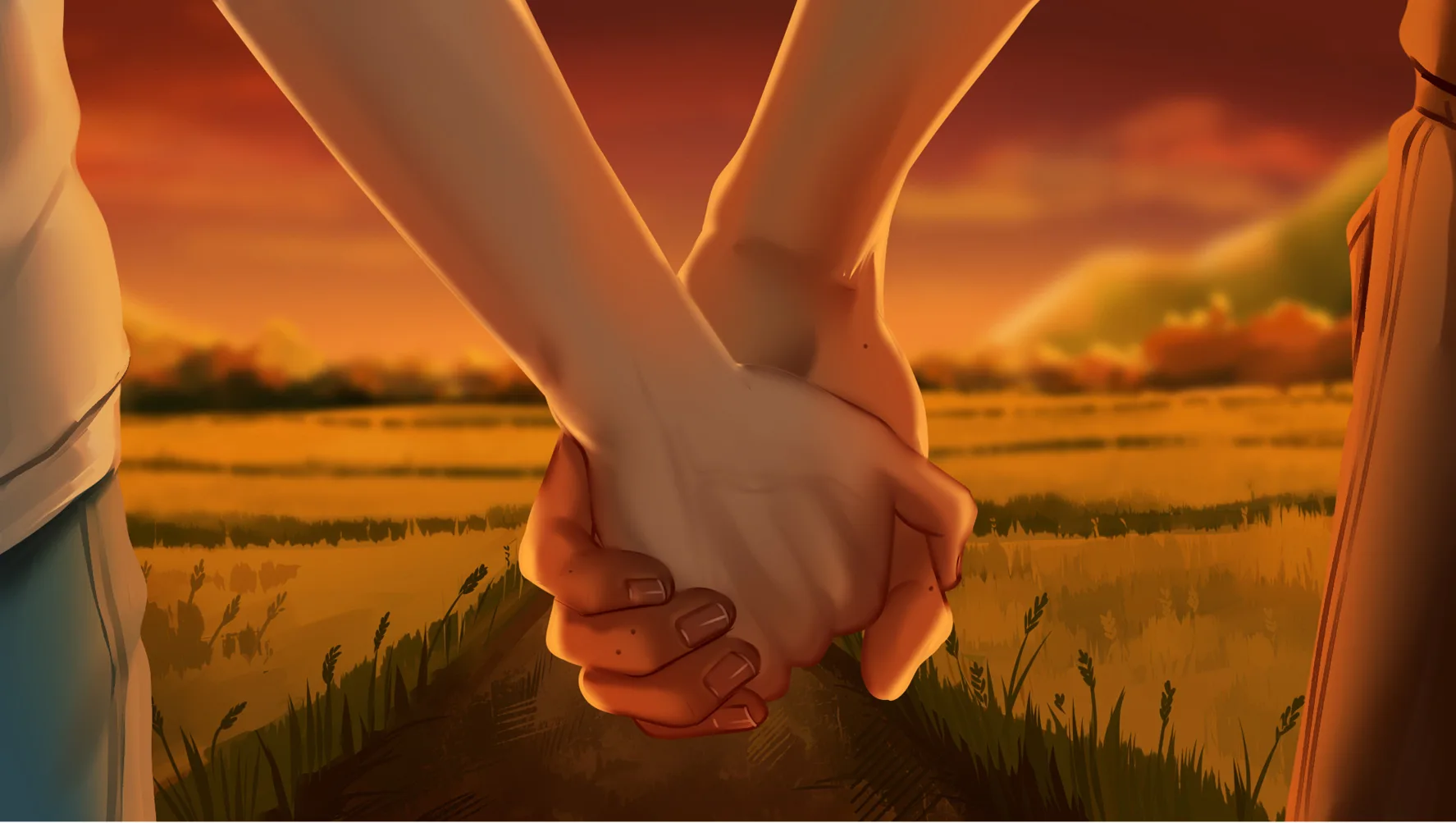
03Kindness can be sincere, strategic, or both. Choices ask what intimacy means when one person controls the story of the past.
 04
04Later decisions sharpen the contrast between the beautiful landscape and the more troubling possibilities hidden beneath it.
Story fragments · 02
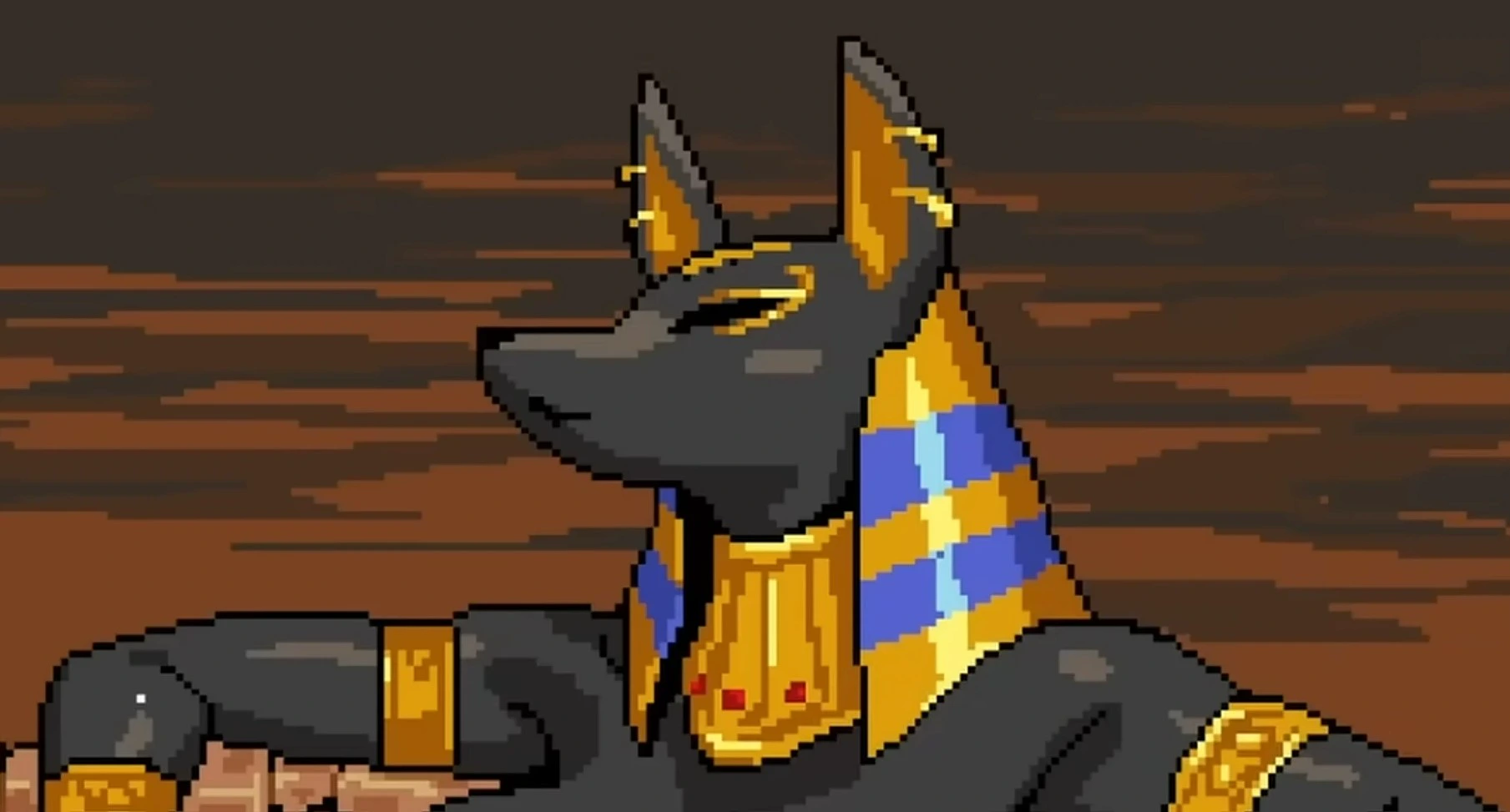
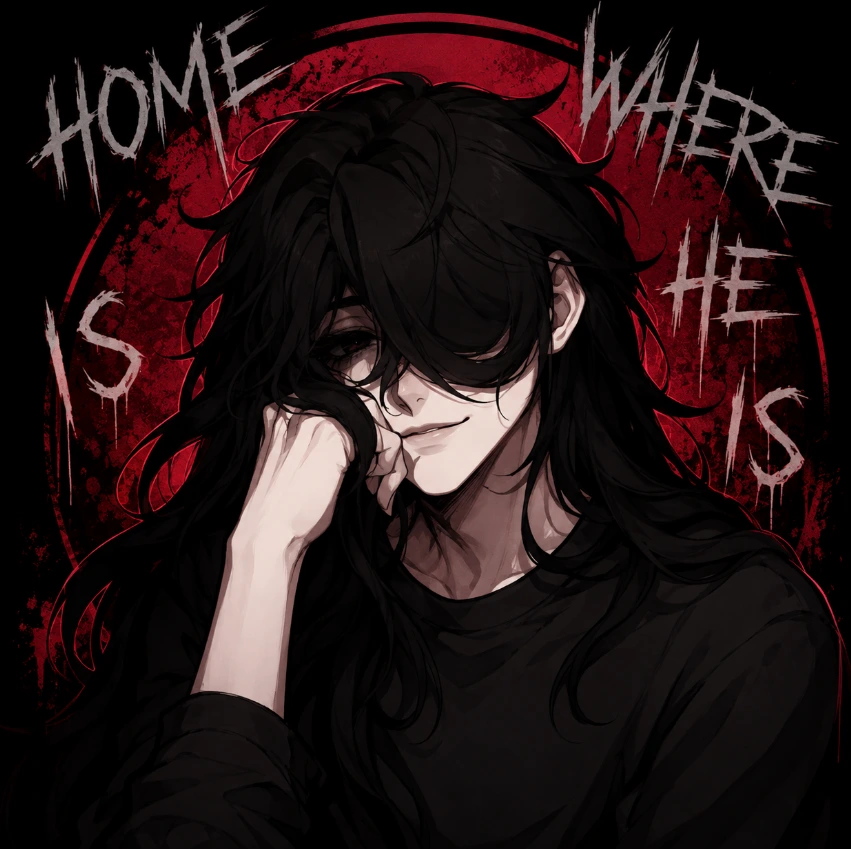
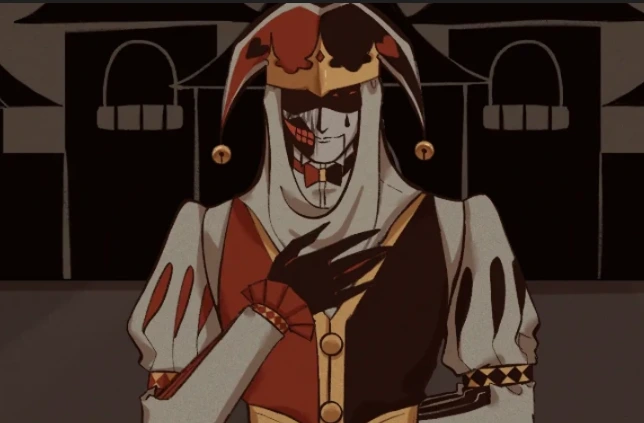
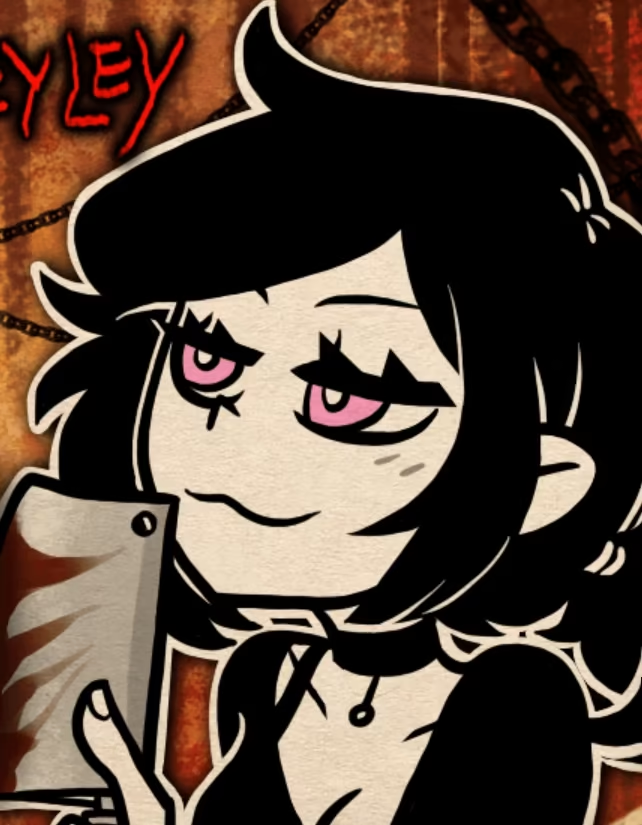
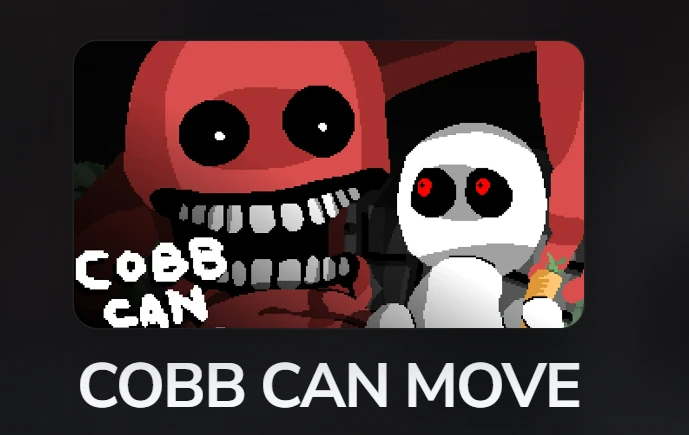
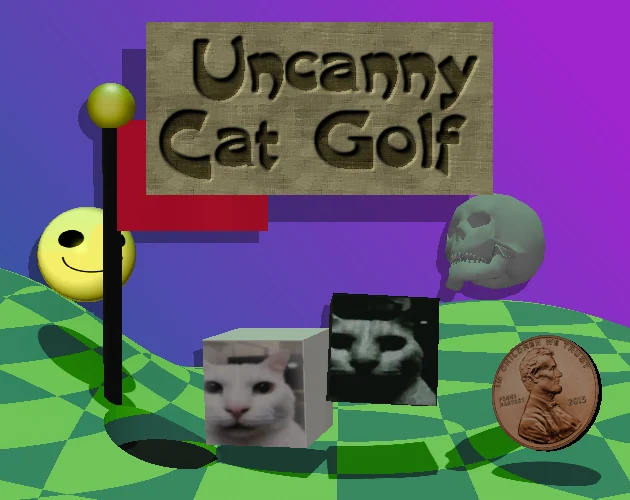
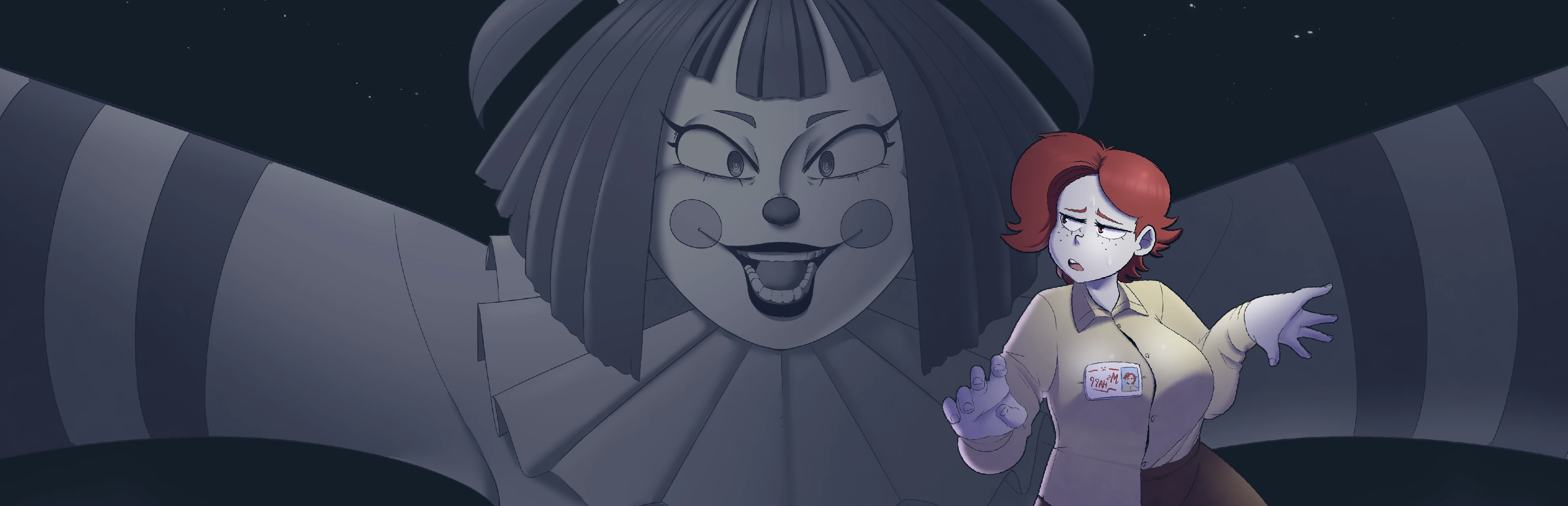
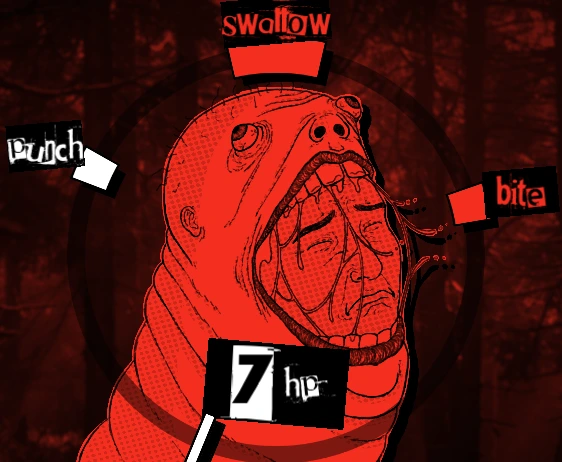
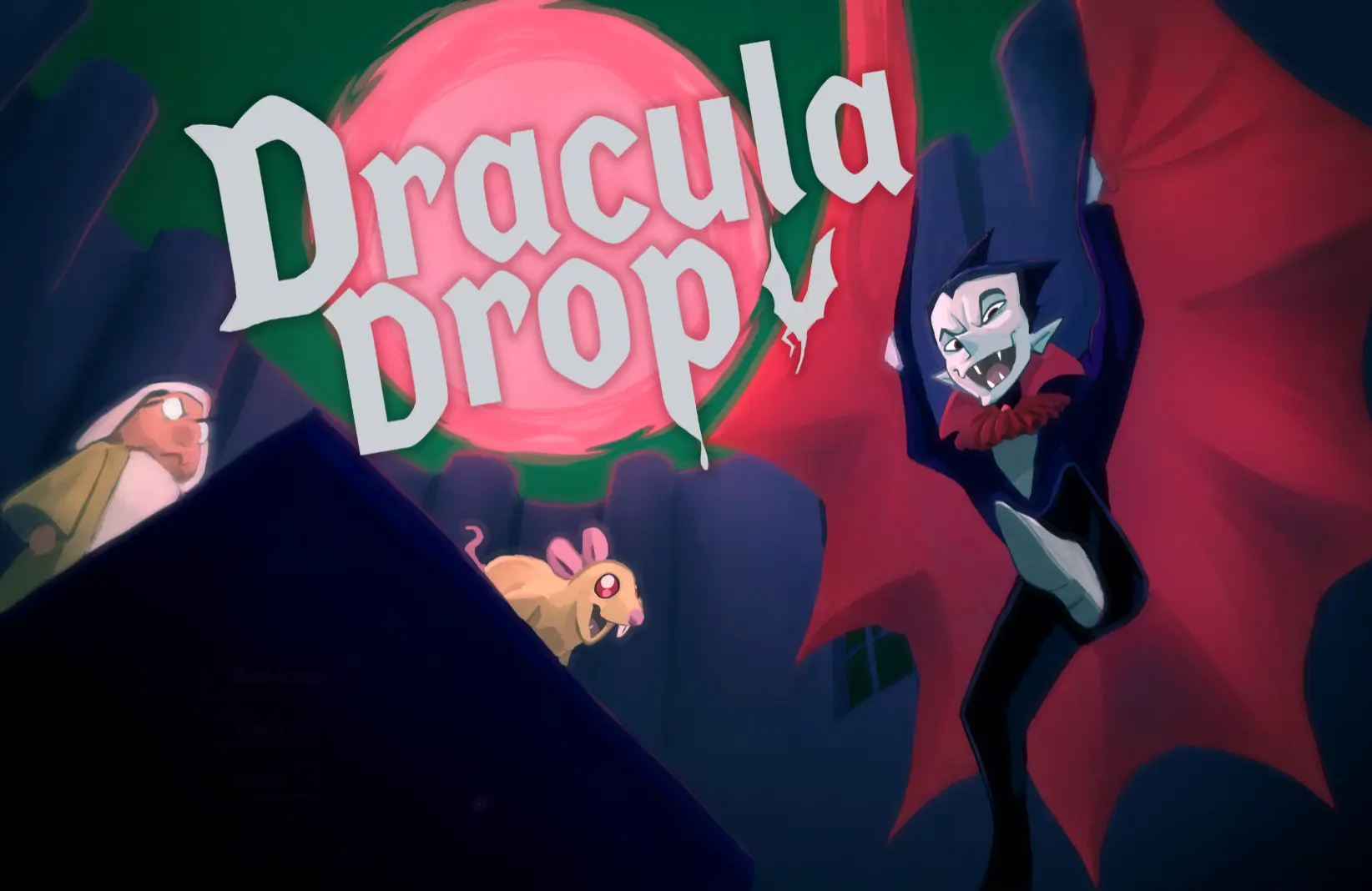
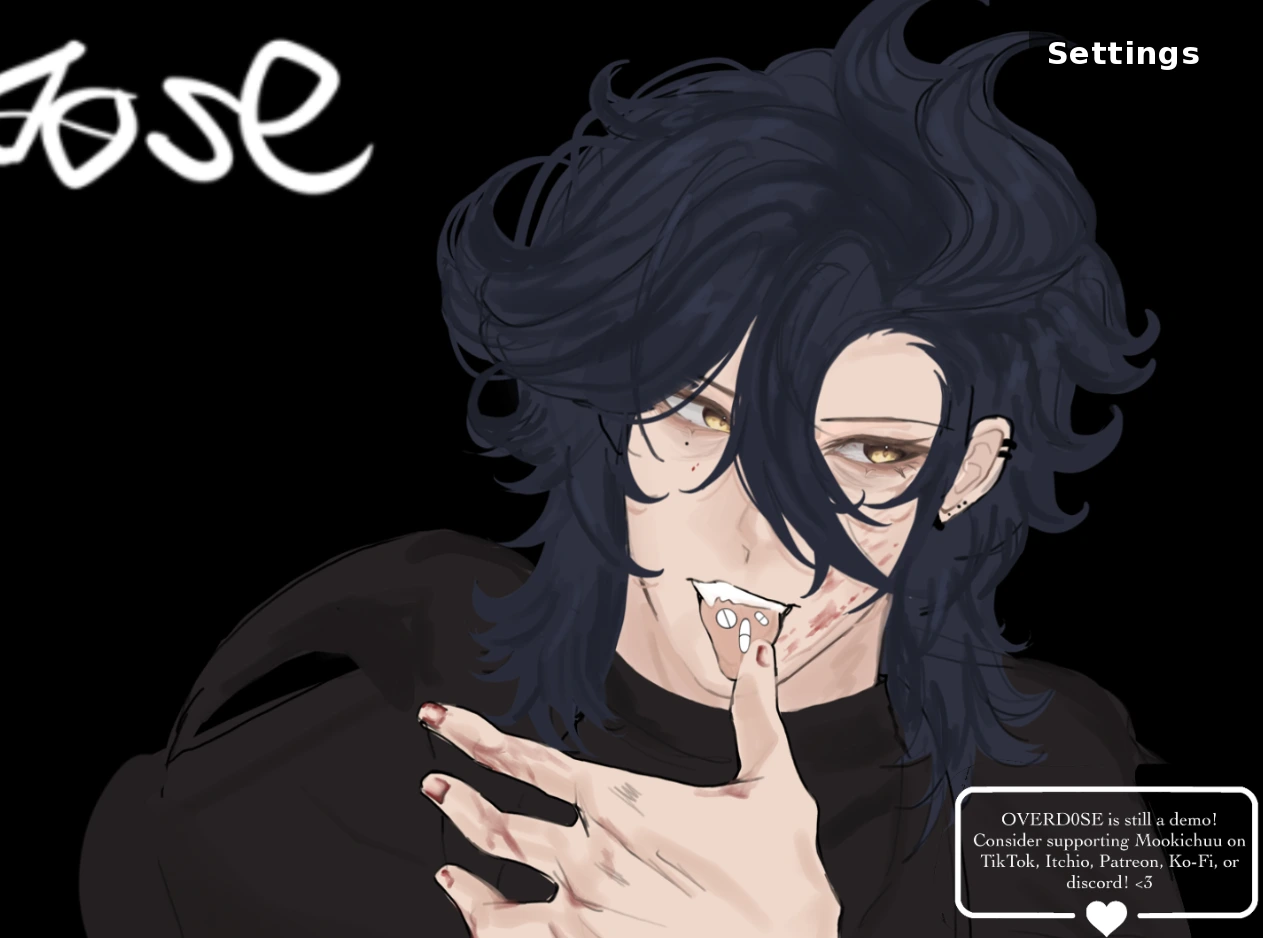
Selected images from the source game assets, presented without late-story spoilers.
How to play · 03
The False Sun rewards attentive reading. Treat recurring phrases, emotional changes, and missing memories as evidence rather than decoration.
After confirming the mature-content notice, launch the embedded game and click inside its frame. Browser audio may remain quiet until this first interaction. Use a normal window rather than private browsing if you want the best chance of preserving local progress, and allow the initial download to complete before deciding that a dark loading screen has stalled.
Advance dialogue at a pace that leaves room for the portraits, backgrounds, and wording to register. A visual novel communicates through more than sentences: a friendly expression can contradict an uncomfortable implication, and a familiar routine can reveal how strongly another character expects you to play a particular role. The pressure is easier to recognize when you do not rush.
When a response menu appears, consider what your answer accepts as well as what it says aloud. Some options may preserve harmony, while others test the assumptions surrounding your return. There is no need to search for a supposedly perfect personality on the first run. Choose consistently, observe the consequences, and let uncertainty remain part of the experience.
A second visit is most revealing when you alter one approach rather than selecting answers randomly. Trust sooner, question a repeated detail, or resist the emotional framing that guided the first run. Familiar scenes can acquire a different meaning once you know which omissions matter, making replay less about collecting boxes and more about revising your reading of the farm.
Screening room · 04
Preview the dialogue presentation and atmosphere before beginning your own run.
See how character art, rural backgrounds, and measured dialogue establish the game's unusual daylight-horror rhythm.
Use the longer footage as optional guidance if a choice sequence or later scene leaves you uncertain about how to proceed.
Archive essay · 05
Many horror games teach the player to fear what cannot be seen. The False Sun takes almost the opposite route. It places the world in view and lets visibility become suspicious. Fields glow, faces are readable, and the farm appears to offer enough space to breathe. Yet clarity does not produce certainty. The protagonist's memory is incomplete, other people seem ready to fill that absence, and every confident explanation carries the possibility that it is also an instruction. The central question is not simply whether somebody is lying. It is whether comfort can be used to make one interpretation feel inevitable.
That approach gives the farm more than a decorative role. Rural settings often promise continuity: seasons return, chores repeat, family stories pass between generations, and the land seems to remember its occupants. Here, routine can become a mechanism of pressure. If everyone knows where you should sit, what you should recall, and how you should respond, the environment begins to resemble a script. The brightness makes that script harder to reject because nothing looks visibly broken. The horror grows in the distance between a picturesque image and the player's private sense that something has been arranged.
The False Sun is not organized around combat mastery. Its active work happens while reading. You compare the current statement with an earlier one, watch how a character reacts to hesitation, and decide whether a reassuring answer actually resolves the concern that produced it. This makes attention a form of play. The backgrounds and portraits are not interruptions between mechanical sections; they are part of the evidence through which the player interprets relationships.
Choice-driven stories can sometimes make every option look like a clearly labeled moral path. This game is more interesting when an answer has several possible meanings. Agreement may be compassionate, cautious, frightened, or manipulated. Resistance may protect the protagonist, damage a genuine bond, or simply reveal how little information is available. The emotional ambiguity prevents the response menu from becoming a quiz with an obvious solution. Instead, each selection records the kind of story you are currently willing to believe.
The pacing will suit players who enjoy slow-burn psychological horror, unreliable memory, and stories where an ordinary gesture can be more unnerving than a sudden attack. It may feel quiet to someone expecting constant pursuit sequences or elaborate resource systems. That quiet is purposeful. The game needs time for familiarity to form before it can make familiarity uncomfortable. Reading at a measured pace allows the repeated language and small changes in atmosphere to do their work.
The browser format supports that rhythm well. The False Sun online can be opened for a focused session without installing a separate desktop package, and the surrounding page keeps the essential support information nearby. Fullscreen reduces visual distractions during dialogue-heavy scenes, while the normal page view makes it easy to pause, consult the spoiler-light notes, or switch to a video if technical behavior is unclear. Because the actual game is loaded from its dedicated host, the first launch may take longer than the surrounding website.
Memory gaps are effective in horror because they create a practical dependence. When the protagonist cannot confirm the past alone, another person's account becomes useful even if it feels wrong. The False Sun explores the discomfort inside that dependency. A familiar face may offer exactly the orientation you need, but accepting the help can also surrender control over the meaning of previous events. The player is asked to listen for the point at which explanation becomes authorship.
This tension also changes the meaning of affection. A hand held in a golden field can represent care, obligation, reconciliation, or control depending on what the player believes about the relationship surrounding it. The art does not have to abandon beauty for the scene to become disturbing. In fact, beauty strengthens the conflict by making the player want the comforting interpretation to be true. The false sun of the title can be understood as an image of warmth whose source or purpose cannot be accepted without question.
Replay value comes from perspective. On a second run, a line that originally sounded protective may seem evasive, while an awkward reaction may look more sympathetic after later context. The best approach is not necessarily to skip rapidly toward different content. Let the early scenes play again and notice what your first interpretation filtered out. Change a small cluster of responses, then compare the emotional logic of the resulting path.
This method preserves the story's ambiguity. Rather than treating one run as wrong and another as correct, you build a more complete understanding from their disagreement. That is especially appropriate for a game about contested memory. Repetition does not merely reveal extra material; it demonstrates how expectation alters what the player sees. The same farm can feel safe, staged, mournful, or predatory depending on which details now command attention.
Practical notes · 06
The embedded build loads from a separate game host, so the opening frame may remain dark while scripts and story assets transfer. Give the first visit time to finish. Repeated refreshing can restart work the browser has nearly completed. If nothing changes after a reasonable wait, click inside the frame, reload once, and check whether an extension is blocking cross-site scripts, storage, audio, or WebAssembly-related resources.
A current desktop browser is the safest choice. Chrome, Edge, and Firefox generally provide the memory and media support expected by modern browser exports. Close unusually heavy tabs if the game becomes sluggish, and avoid embedding restrictions imposed by school or workplace networks. Those networks may reject the game host even when the Temple website itself opens normally.
Audio often requires a deliberate click because browsers protect visitors from automatic playback. Launch the game, interact with the player, and verify both the tab volume and operating-system output. Fullscreen is available from the toolbar beneath the frame. Press Escape to return to the page. If fullscreen is denied, confirm that the browser permits it for this site and that no other element is already using fullscreen mode.
Phones can display the page, but a visual novel asks for sustained reading rather than a quick tap. Landscape orientation on a tablet is preferable, and desktop remains the recommended experience. If a mobile browser hides part of the interface, rotate the device, leave fullscreen, or reload after changing orientation. Avoid edge gestures while selecting choices because they can trigger browser navigation instead of game input.
Save behavior belongs to the embedded game and browser storage available to its host. Use the same device and browser profile when returning. Private browsing, automatic cleanup utilities, and manual deletion of site data can remove locally stored progress. This portal cannot reconstruct a save erased by the browser, so finish an important scene before clearing storage or changing profiles.
The False Sun is intended for mature audiences. Its impact comes from emotional manipulation, uncertain memory, disturbing implications, and relationships shaped by unequal knowledge. The public images on this page avoid major revelations, but the embedded game presents its own original material after launch. Stop or take a break if the atmosphere becomes personally uncomfortable. Horror is most effective when participation remains voluntary, and no completion goal is more important than the reader's boundaries.
Questions · 07
Practical answers with minimal story spoilers.
Yes. Confirm the mature-content notice and select Enter the Farm to load The False Sun inside the browser player. The embedded edition does not require a separate installer or account.
The False Sun is a psychological horror visual novel centered on dialogue, memory, trust, and an increasingly uncomfortable rural homecoming. Reading character reactions matters more than reflexes or combat skill.
No. Its tension is deliberately slow. The game builds unease through bright scenery, repeated routines, uncertain recollections, and choices whose emotional meaning may become clearer only later.
Yes. The experience asks you to interpret conversations and choose responses. A replay can make familiar dialogue feel different because you recognize pressure, omissions, and recurring details that were easy to miss the first time.
Many current mobile browsers can display the game, but a desktop or landscape tablet is more comfortable for sustained reading. A larger display also gives the character art, dialogue box, and choice menus more space.
Wait while the browser downloads and prepares the game, then click inside the frame. If it still does not begin, refresh once, disable aggressive script blockers for the game host, and try an up-to-date Chrome, Edge, or Firefox browser.
Browsers often block audio until the visitor interacts with an embedded player. Click or tap inside the game after it loads, check that the tab is not muted, and confirm that the site has permission to play sound.
No. The False Sun is presented for mature audiences because it contains psychological pressure, disturbing implications, manipulation, and emotionally intense horror themes. Younger visitors should not launch it.
No. Temple of the Jackal is an independent browser-game portal. The game, characters, artwork, and related intellectual property remain with their respective creator or rights holders.