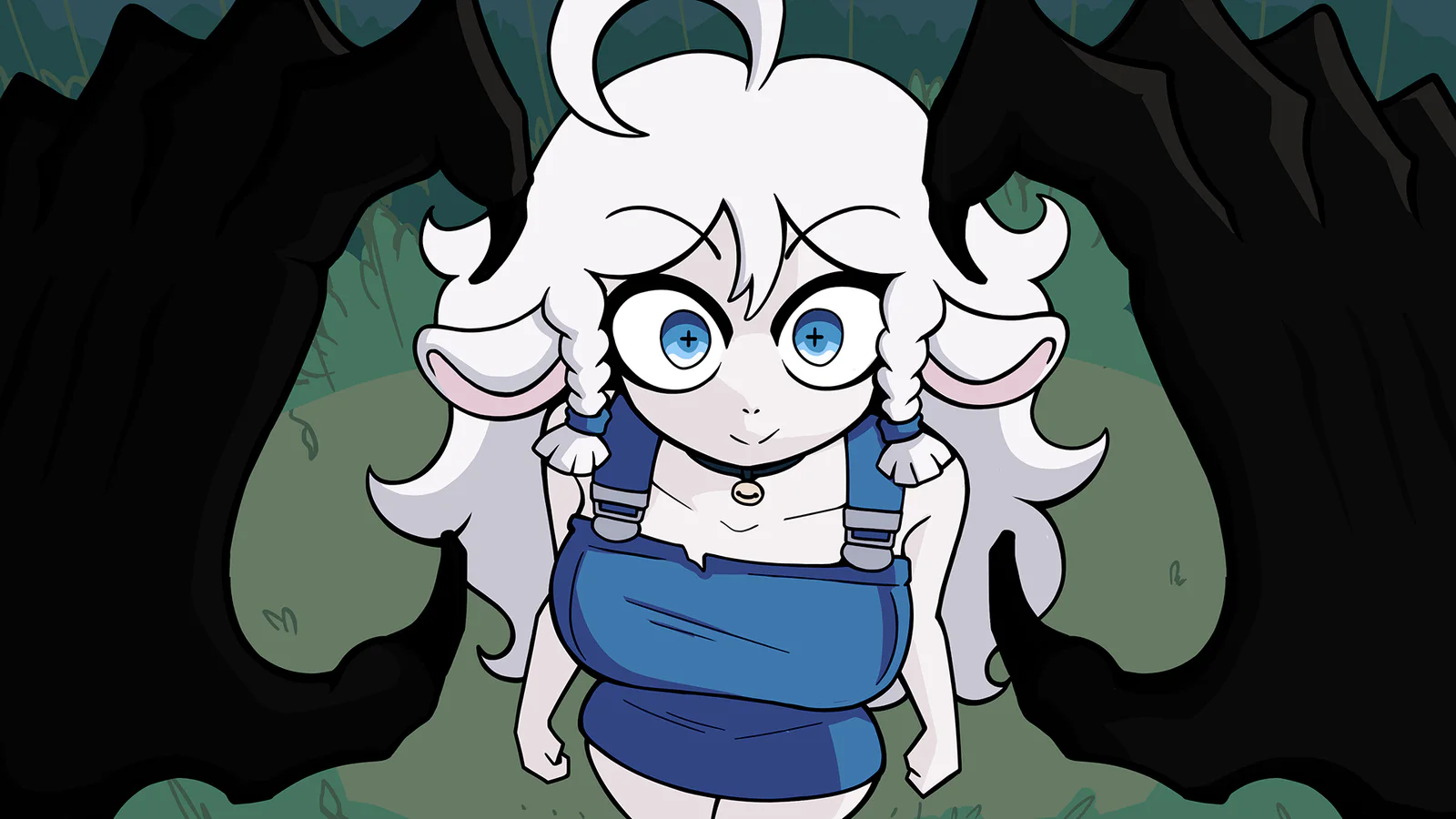
 01
Enter a warm but watchful forest
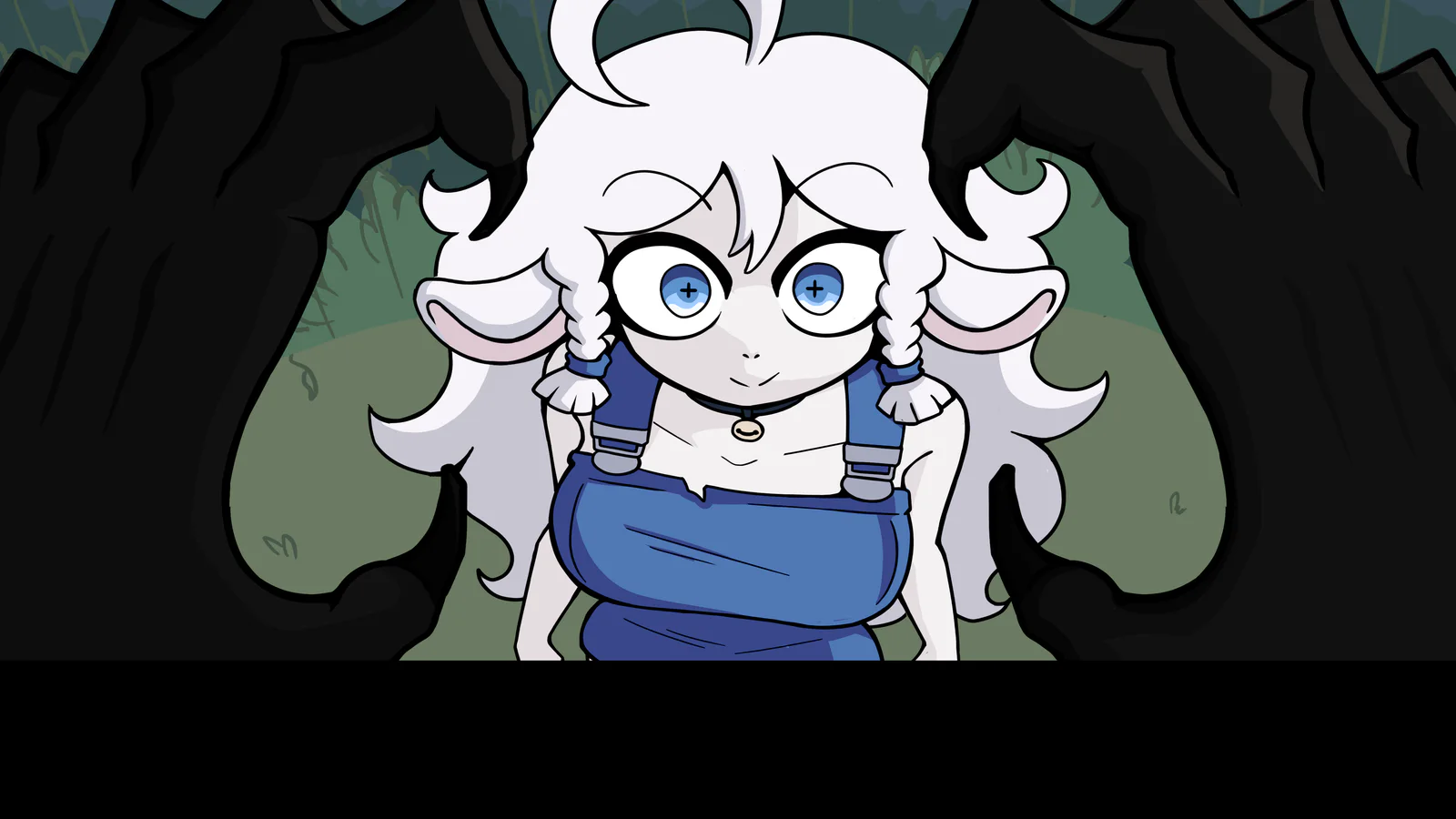
Autumn gold and storybook character art create a welcoming surface while small conversational details make the path feel less secure.
A FRIENDLY INVITATION IS WAITING IN THE WOODS
Contains implied violence and poisoning, bullying, social exclusion, and uncanny dark comedy; no explicit sexual or graphic gore content is shown.Archive story · Five-minute dark comedy
Follow Donna into a fairy-tale forest, meet an unusually courteous wolf named Oz, and discover how quickly a friendly dinner invitation can acquire a second meaning.
Five-minute session check
This checklist stays on this page only. It does not read or change the game, its saves, or your Cloudflare-hosted session.




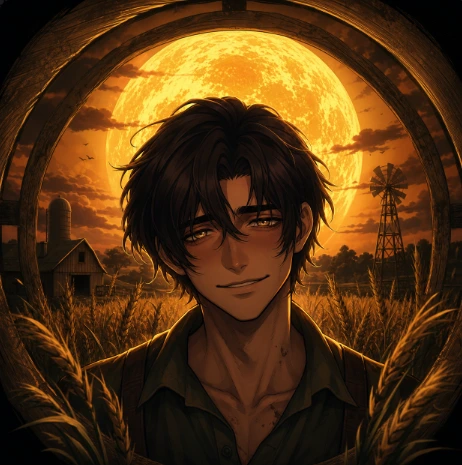


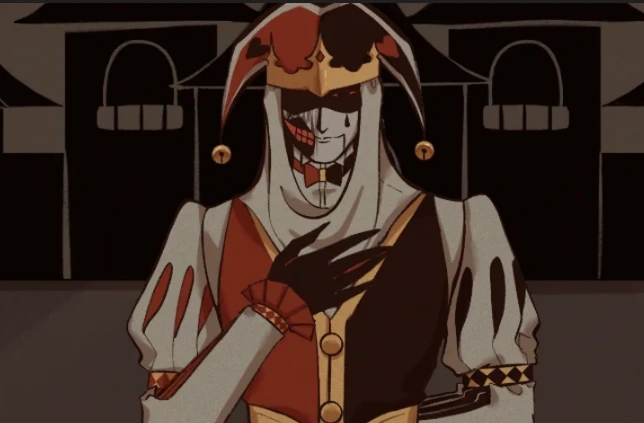
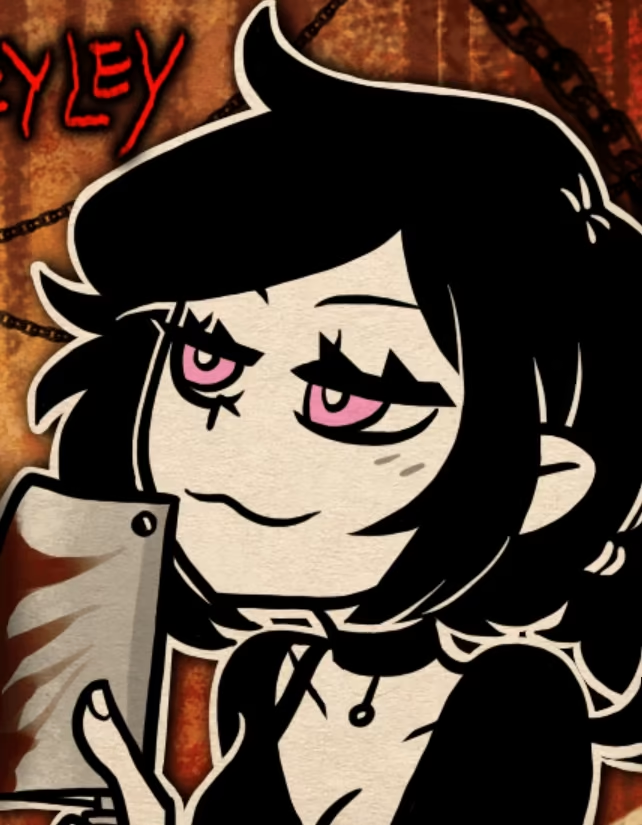






Forest record · 01
Best Friends for Dinner! is a short kinetic visual novel by Demonward. The official creator page describes a young woman named Donna meeting a wolf named Oz in a situation that becomes stranger as the conversation continues. The complete story is roughly one thousand words and about five minutes long, so the experience is closer to a sharply timed illustrated short story than a route-heavy role-playing game. It contains two CG illustrations and can be read in English, Latin American Spanish, or Italian.
This archive page uses a browser edition built from the user-supplied version 1.2 desktop package. It is presented separately from the creator's official itch.io download page, which remains the authoritative place for the original release and developer information. The browser frame, fullscreen control, practical notes, and expanded gallery are provided for convenient reading; they do not change Demonward's script, artwork, credits, or ownership.
The story's strength lies in the space between its cheerful surface and its darker implications. Warm woodland colors, rounded portraits, and conversational dialogue initially suggest a friendly picture book. Donna's isolation and Oz's unusual interest gradually alter that impression. The result is not a graphic shock game. It is a concise piece of uncanny comedy that lets ordinary phrases—friend, guest, meal, welcome—carry more than one possible meaning.
01Autumn gold and storybook character art create a welcoming surface while small conversational details make the path feel less secure.
 02
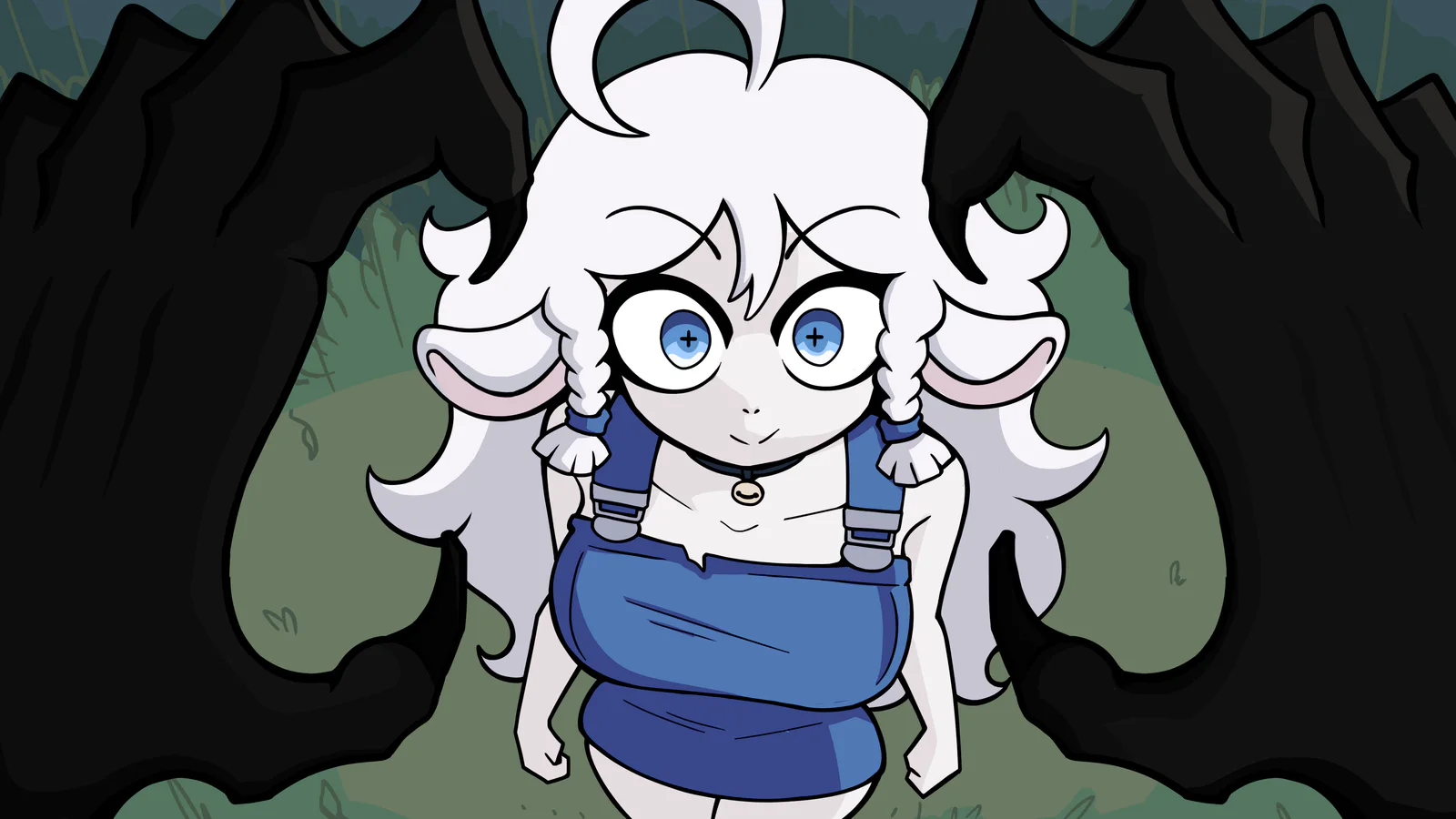
The kinetic structure has no route selection to optimize; advance the dialogue, notice shifts in tone, and let the compact timing do its work.
 03
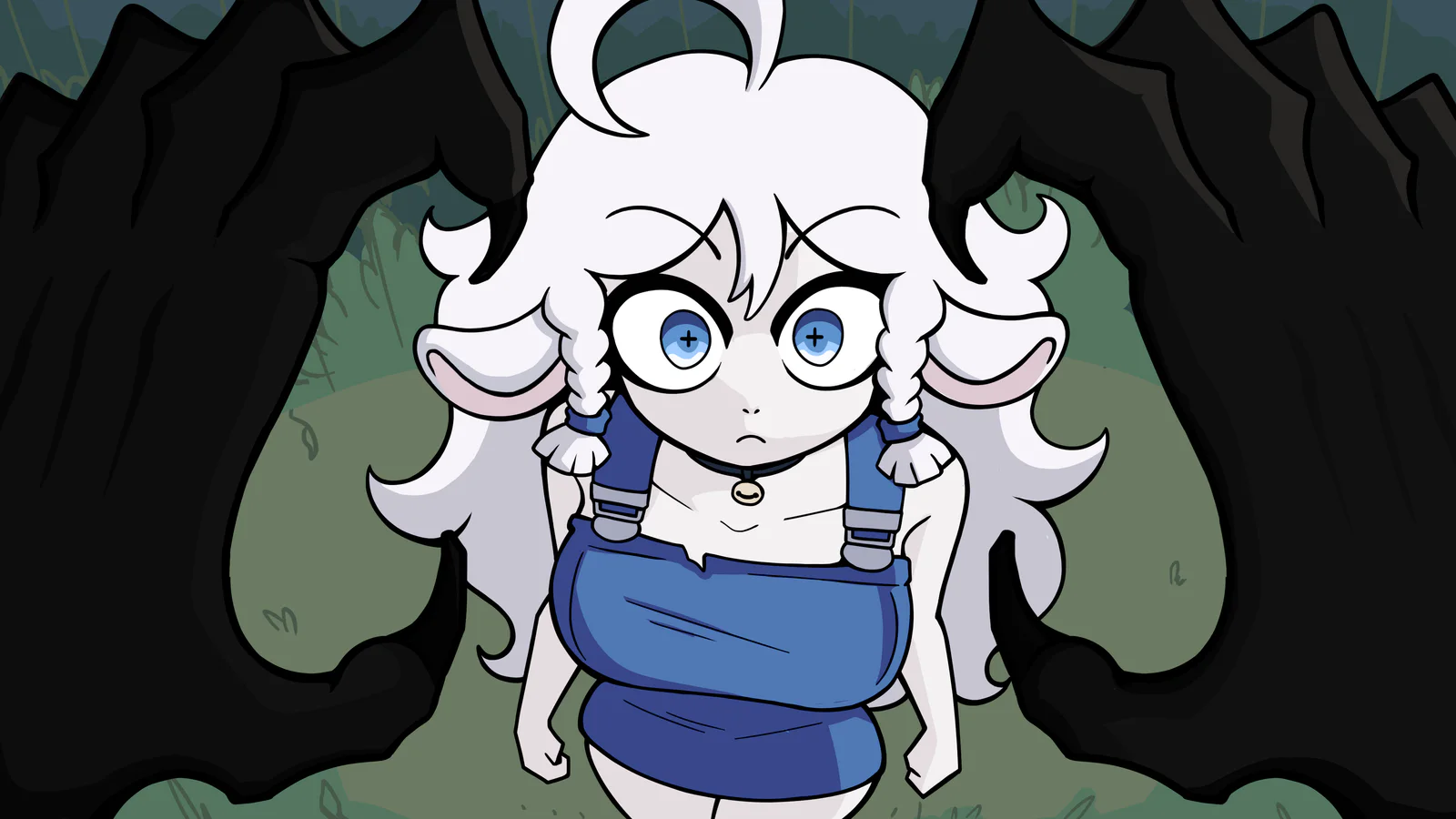
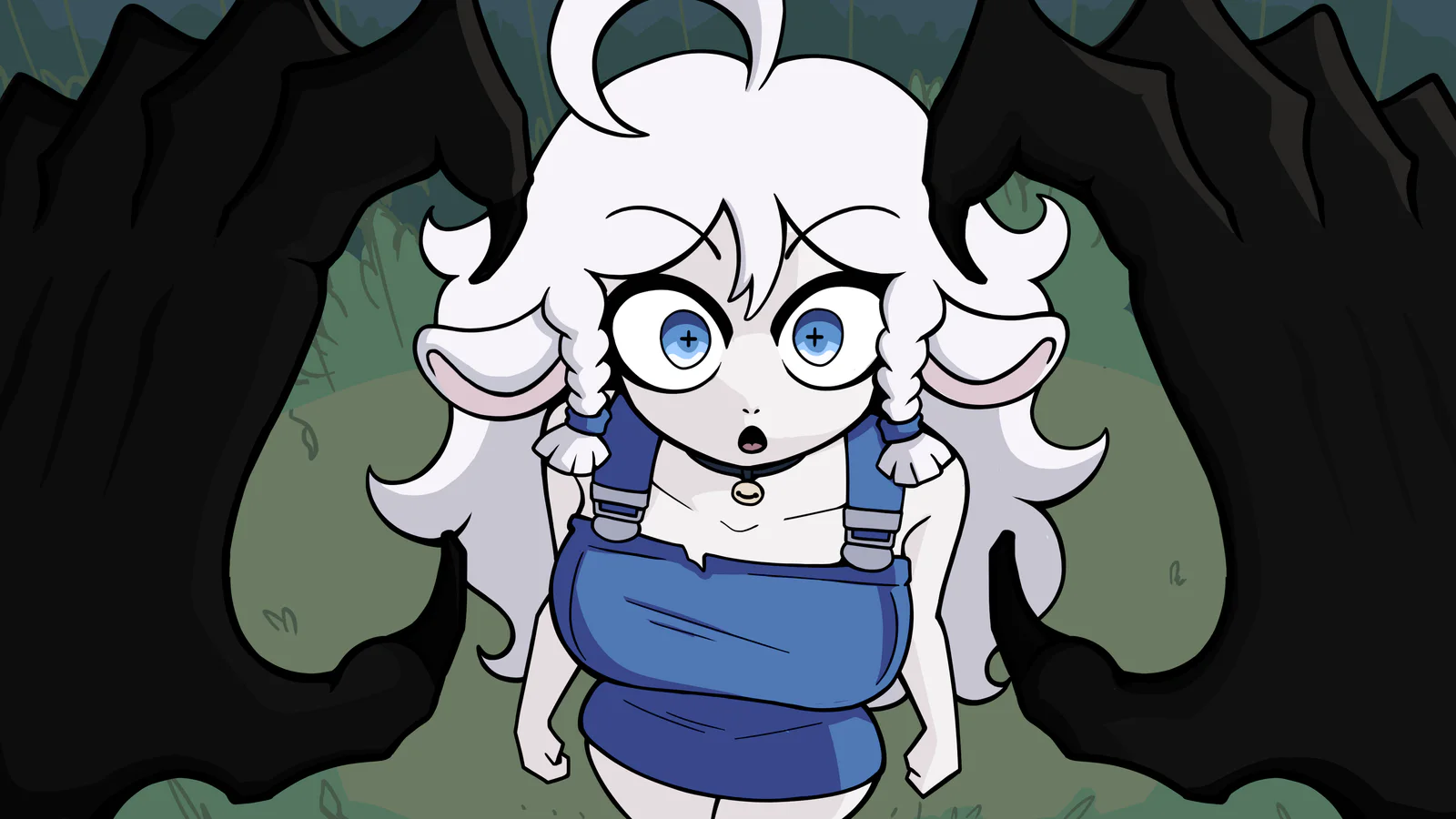
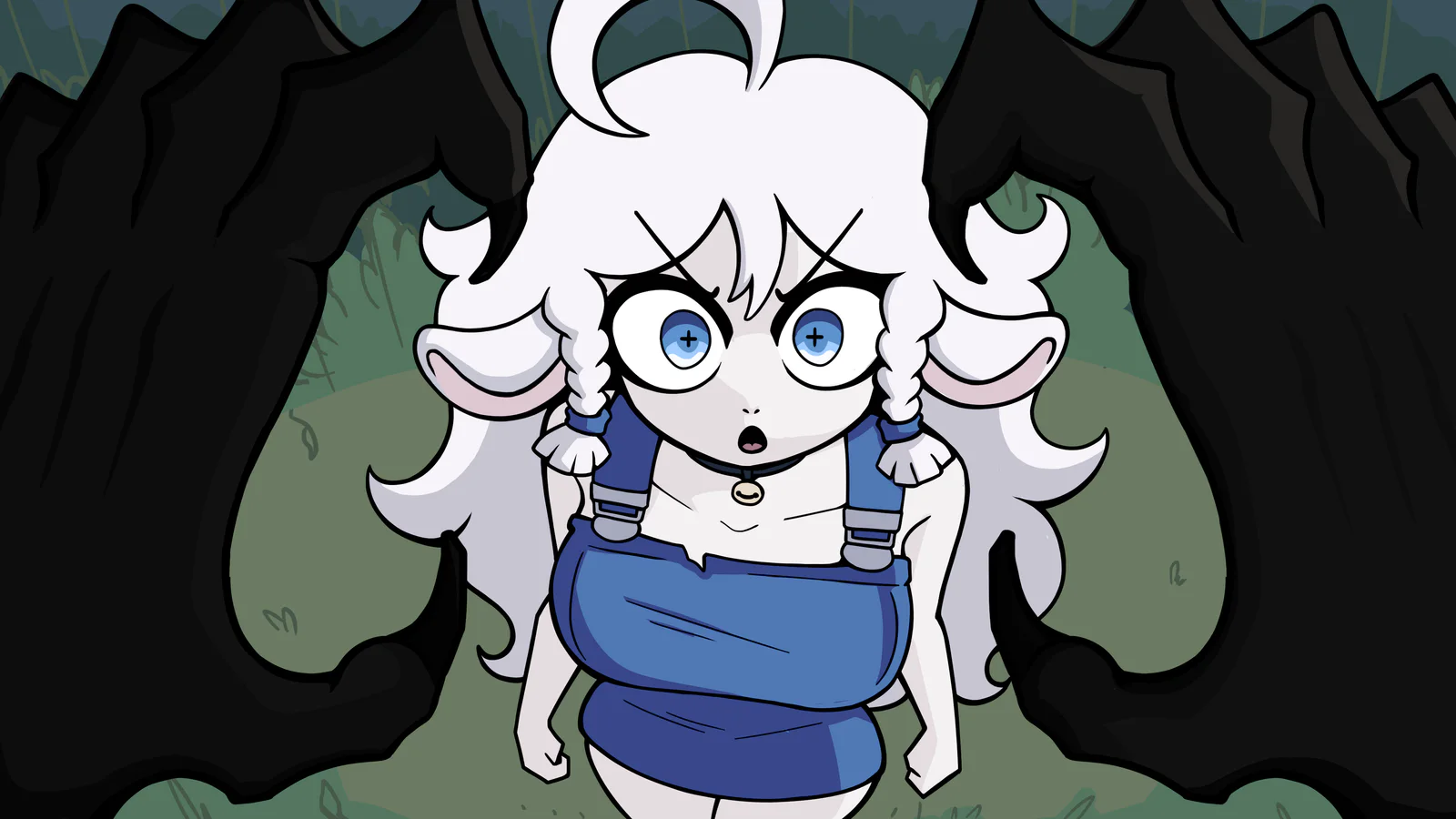
Donna's expressions move from openness to uncertainty and resistance, giving emotional shape to a story that can be completed in one sitting.
 04
The title turns a familiar social ritual into a dark joke, asking whether the characters agree about friendship, hospitality, or who belongs at the table.
Illustrated evidence · 02
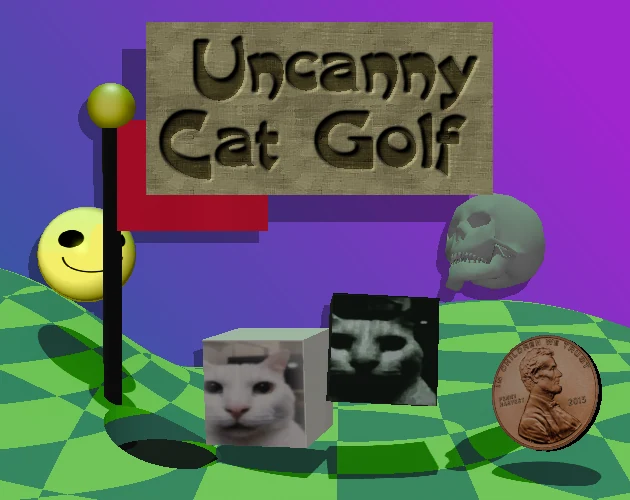
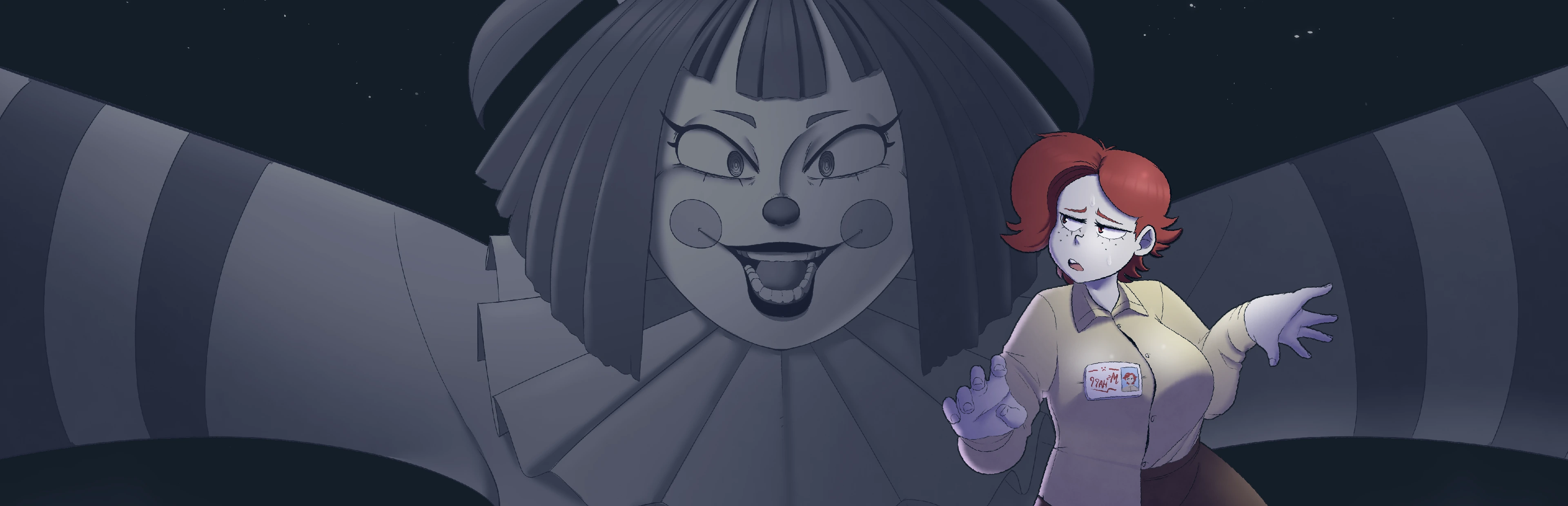
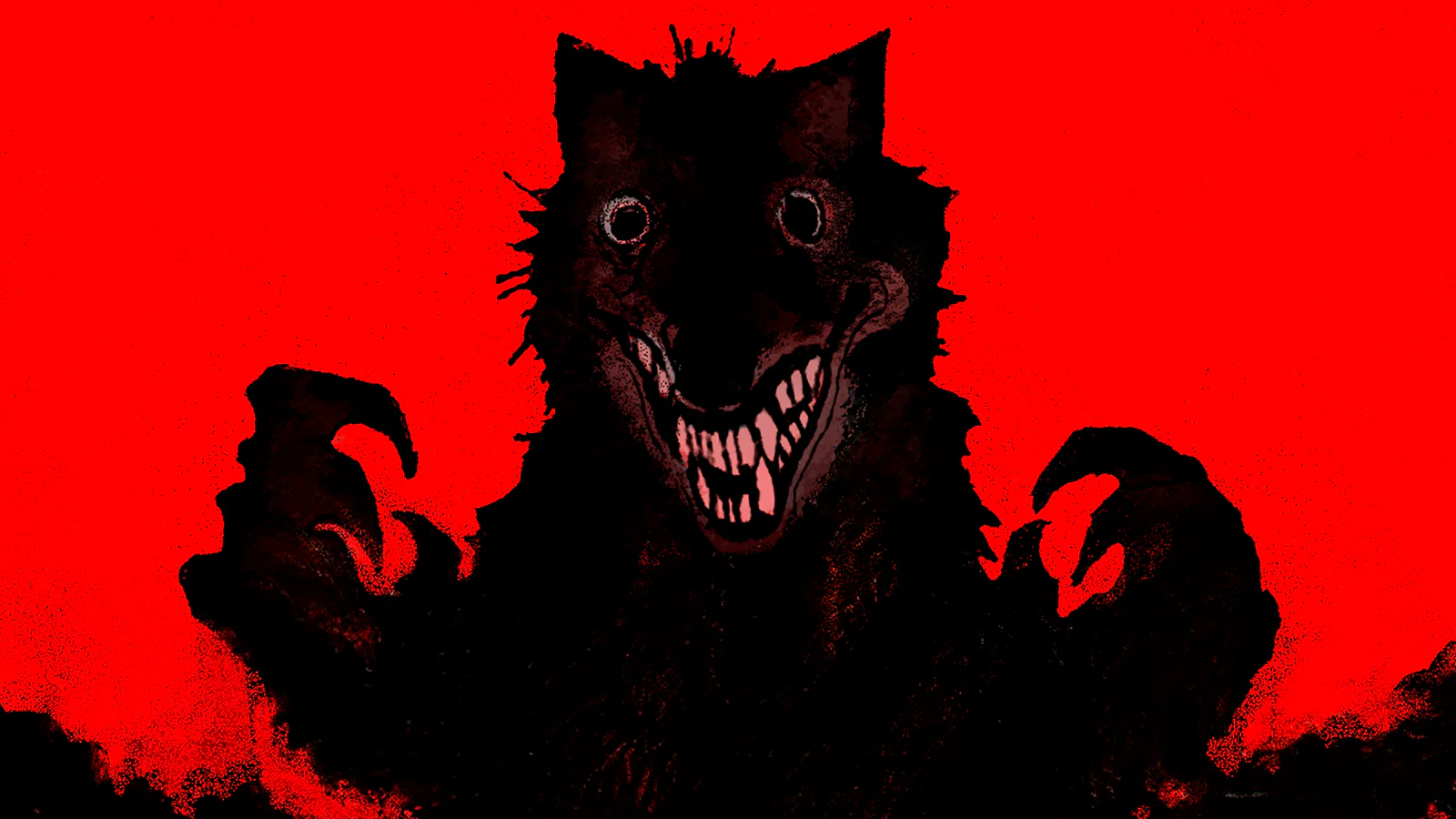
The expanded gallery uses images recovered from the supplied version 1.2 package. Together they show the cover, one CG, Donna's changing expressions, and Oz's entrance without publishing the full script or final beat.
How to read · 03
There is no correct branch to hunt. The useful skill is attentive reading: follow the emotional movement, notice repeated social words, and let the ending reframe the opening.
Launch the browser edition, click inside the frame if the browser has paused sound, and select English, Latin American Spanish, or Italian from the Ren'Py language controls when available. Headphones are optional, but a quiet environment helps the music and pauses support the dialogue. The first visit downloads a web runtime and packaged assets, so give the loading screen time to complete before refreshing.
Advance with a click, tap, Space, or Enter according to the displayed Ren'Py controls. Watch Donna's portrait between lines. Her expressions mark changes in comfort, surprise, and resolve that a transcript alone would flatten. Because the novel is kinetic, you do not need to stop and search for hidden choices. The intended interaction is deciding when to advance and how long to remain with an image.
Pay attention when the conversation refers to friendship, belonging, food, invitation, or care. In ordinary conversation these words can sound generous. In a dark fairy tale they can also define who controls the encounter and what another person is expected to provide. The title announces the central joke, but the script earns it by letting harmless vocabulary become increasingly difficult to hear innocently.
A full reading takes only a few minutes, and the last movement is designed to change the meaning of details that arrived earlier. If the story works for you, replay it once with that later context in mind. The objective is not to unlock another route—the source identifies this as a kinetic novel—but to see how efficiently the art, dialogue, and title prepared the same conclusion.
Storybook reading · 05
Best Friends for Dinner is a title built from familiar pieces. Best friends suggests loyalty and affection. Dinner suggests hospitality, routine, and a shared table. Placed beside a wolf, however, the phrase also raises a grammatical question: are the friends attending dinner, providing dinner, or becoming dinner? The wording announces that language will be slippery before the first line is read, but it does not identify which character understands the joke.
That ambiguity is especially effective in a five-minute story because it creates anticipation without requiring a long prologue. Readers enter expecting the phrase to acquire a darker meaning, then watch how the script delays, redirects, or confirms that expectation. Suspense comes from interpretation rather than mystery-box lore. The ending matters, yet the pleasure also lies in measuring each polite sentence against the title that is already waiting above it.
Many visual novels organize tension through choices, routes, relationship scores, and alternate endings. This project identifies itself as kinetic, meaning the reader follows one authored sequence instead of selecting branches. That limit is not missing functionality. It keeps the story close to a picture book or short comic in which timing, composition, and wording have been arranged to produce one precise curve.
Without a decision menu, the player's agency moves into pacing. A reader may advance immediately, pause on Donna's expression, revisit the log, adjust text speed, or replay after the ending. Those small actions determine how the scene is absorbed without pretending that they rewrite its outcome. The format suits a compact joke because every reader eventually reaches the same turn and can compare how their expectations changed along the way.
A thousand-word script has little room for extensive biography, so the portrait system performs work that longer prose might assign to internal narration. Donna can appear welcoming, wary, surprised, or defiant while the background remains stable. Each change tells the reader that the social temperature has moved, even if the spoken sentence stays restrained. Her face becomes a second channel of narration beside the text box.
This focus also prevents Donna from functioning only as a prop in Oz's entrance. The reader is encouraged to notice how she evaluates the encounter and when politeness stops matching comfort. Her resistance matters because fairy-tale danger often depends on social pressure: the vulnerable character is expected to be agreeable while the threatening figure defines the rules. A visible change in expression can refuse those rules before the dialogue does.
Western fairy tales have trained readers to distrust a talking wolf. The animal may flatter, disguise itself, test a boundary, or treat another character as prey. Best Friends for Dinner does not need to explain that library of associations. Oz enters with centuries of narrative suspicion already attached, allowing the story to spend its limited time complicating rather than constructing the threat.
At the same time, instant distrust can become its own assumption. A courteous wolf in a gentle art style invites the reader to wonder whether genre prejudice is doing too much work. That hesitation is productive. Horror grows in the gap between what the character says and what the archetype predicts. Oz can sound friendly while the audience remains alert, and the script can use that alertness as part of the conversation's rhythm.
The gallery is dominated by gold, orange, cream, and leafy green rather than blue night or high-contrast blood red. These colors usually promise comfort, harvest, home, and afternoon safety. Their continued presence denies the reader an easy visual command to become afraid. The scene does not transform into a conventional haunted forest simply because the dialogue feels wrong.
That continuity makes unease more social than environmental. The trees are not necessarily the problem; the question is whether Donna can trust the person speaking to her and whether both characters define the invitation in the same way. When a horror story preserves beauty, viewers have to evaluate behavior instead of waiting for the palette to announce danger. The artwork can remain charming without cancelling the threat carried by context.
An invitation sounds generous because it appears to give something: food, shelter, company, or belonging. Yet an invitation also establishes a host and a guest. The host chooses the location, sets expectations, and may decide when the visit ends. In uncanny fiction, this imbalance can turn a friendly ritual into a trap without changing any of its polite vocabulary.
The story's dinner language works because eating is both communal and biological. People share meals to strengthen relationships, but predators also eat to survive. A wolf speaking about dinner connects those meanings immediately. The compact script can therefore move between comedy and threat without a graphic scene. The reader supplies the darker interpretation, and the smiling surface becomes part of what makes that interpretation uncomfortable.
The official page describes content that includes implied violence or poisoning, ostracism, and bullying, while noting the absence of explicit sexual material or graphic gore. That boundary matters to the tone. A detailed violent sequence would dominate the short runtime and turn the title's double meaning into a simple spectacle. Implication leaves room for the absurd politeness of the situation to remain funny as well as disturbing.
Dark comedy does not require every reader to laugh. Its effect often comes from recognizing the shape of a joke at the same moment as its cruelty. The contrast between cheerful artwork, formal conversation, and a predatory possibility creates that friction. Visitors can use the content note before loading the frame, because surprise should come from storytelling rather than from hiding themes that a reader would reasonably want to avoid.
Replay in a branching novel asks what another decision will unlock. Replay in this kinetic novel asks how the same line changes after the reader knows where the scene leads. A welcome may sound less generous. A hesitation may look more perceptive. A bright image may begin to resemble camouflage. The material stays fixed while the audience brings a different set of expectations.
This makes the short length an advantage. Returning to the beginning requires minutes rather than hours, and the reader can compare impressions while the first experience is still fresh. The second run becomes a small craft study: where did the tone turn, which expression delivered the change, and how early did the title establish the ending's logic? The reward is understanding construction, not collecting an alternate conclusion.
Browser notes · 06
The embedded game loads from a dedicated Cloudflare-hosted path at s.templeofthejackal.com. The first visit downloads the Ren'Py Web runtime, a WebAssembly module, and the packaged game assets, so the progress screen may remain visible longer than an ordinary article image. Let the bar finish. Repeated refreshing restarts work the browser may already have completed and can make a healthy connection feel slower.
Modern browsers block audio that starts before a user gesture. If the story is silent, click or tap inside the game once and use the Ren'Py preferences menu to review music, sound, and text settings. Fullscreen can reduce surrounding distraction on desktop. On a phone, landscape orientation offers more room for portraits and dialogue, although the site keeps the player responsive in either orientation.
The source package provides English, Latin American Spanish, and Italian translations. Language availability is a feature of the game, not an automatic translation of this English archive article. If a preferred language does not appear immediately, open the in-game preferences or return to the title menu. Names, layout, and line breaks may differ because each translation must fit the same dialogue interface.
Ren'Py may store preferences or save data in the browser profile, but this portal does not inspect, synchronize, or guarantee that data. Private browsing, storage cleanup, a different device, or a changed browser profile can remove it. The story is short enough to complete in one sitting, yet the page still avoids promising cloud saves or recovery tools that the independent archive does not provide.
The creator lists implied violence or poisoning, bullying, ostracism, and dark or uncanny comedy. No explicit sexual content or graphic gore is advertised, but implication can still be upsetting. Use the pre-play checklist to make an informed choice, pause whenever needed, and leave the frame if the subject stops being enjoyable. The checklist remains local React state and is not transmitted to the game.
This page is an independent presentation, not the official project page and not a replacement for supporting the creator. Visit Demonward's linked itch.io page for the original Windows, macOS, and Linux downloads, creator notes, and community context. The seven web images were derived from the user-supplied version 1.2 package for responsive display; copyright and authorship remain with the game's respective creator and contributors.
Questions · 07
Useful answers with minimal spoilers and clear browser guidance.
Yes. Select the launch button to load the version 1.2 browser edition from the dedicated s.templeofthejackal.com game host inside the responsive player.
The official creator page describes about 1,000 words and roughly five minutes of reading time, though text speed and pauses can make an individual session longer.
It is identified as a kinetic visual novel, so it follows one authored sequence rather than choice branches. Replaying is useful for reinterpretation, not for unlocking an invented alternate route.
The supplied version supports English, Latin American Spanish, and Italian. Use the in-game language or preference controls to switch when available.
The creator notes implied violence or poisoning, ostracism, bullying, and dark or uncanny comedy. The release does not advertise explicit sexual content or graphic gore.
Ren'Py Web must download and unpack its runtime and game archive. Wait for the progress bar, avoid repeated refreshes, and test a current browser or another network if the download genuinely stops.
Click or tap inside the player to satisfy browser autoplay rules, then check the in-game music and sound sliders as well as the device volume.
No. The readiness checklist exists only in this page component and does not inspect or modify the iframe. Any preferences or saves belong to the game host and your browser storage.
No. This is an independent archive entry. Demonward's itch.io page is linked as the official source for the original release, downloads, credits, and creator information.