 01
01Explore the sealed space
Top-down rooms, inspectable objects, and practical obstacles make the apartment a story map rather than a passive background.
THE APARTMENT IS SEALED; THE CONSEQUENCES ARE NOT
Contains disturbing themes, violence, dysfunctional relationships, occult material, and mature dark humor.Archive story · Psychological narrative horror
Follow two siblings through quarantine, scarcity, damaged loyalty, and occult decisions in a story where survival never arrives without a moral cost.










Quarantine file · 01
The Coffin of Andy and Leyley is a dark, story-driven horror game following siblings Andrew and Ashley through quarantine, scarcity, family history, and increasingly destructive choices. The BloodMoney2 reference describes psychological tension, dark humor, survival pressure, and occult mystery rather than an action-first structure. Players explore rooms, inspect objects, solve practical story problems, read dialogue closely, and make responses that shape how the siblings understand one another and the situations they create.
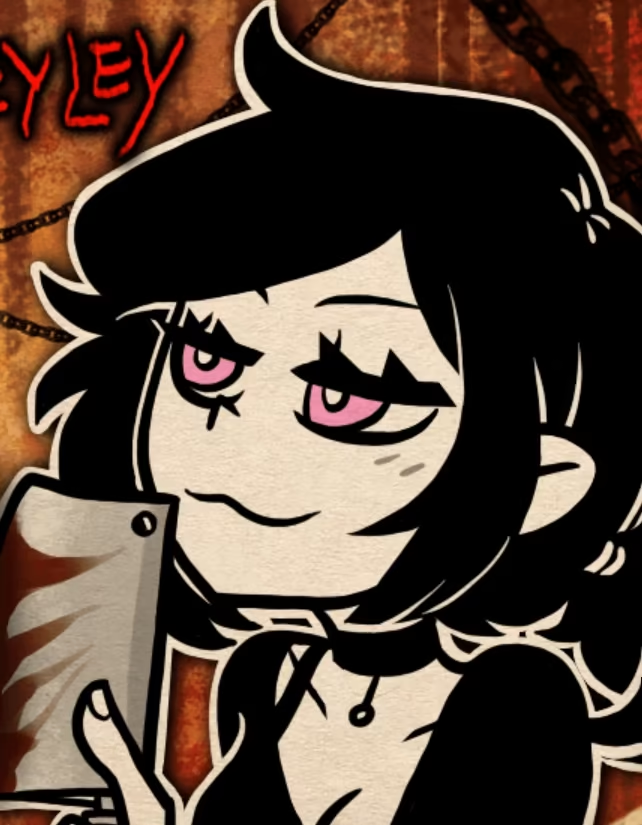
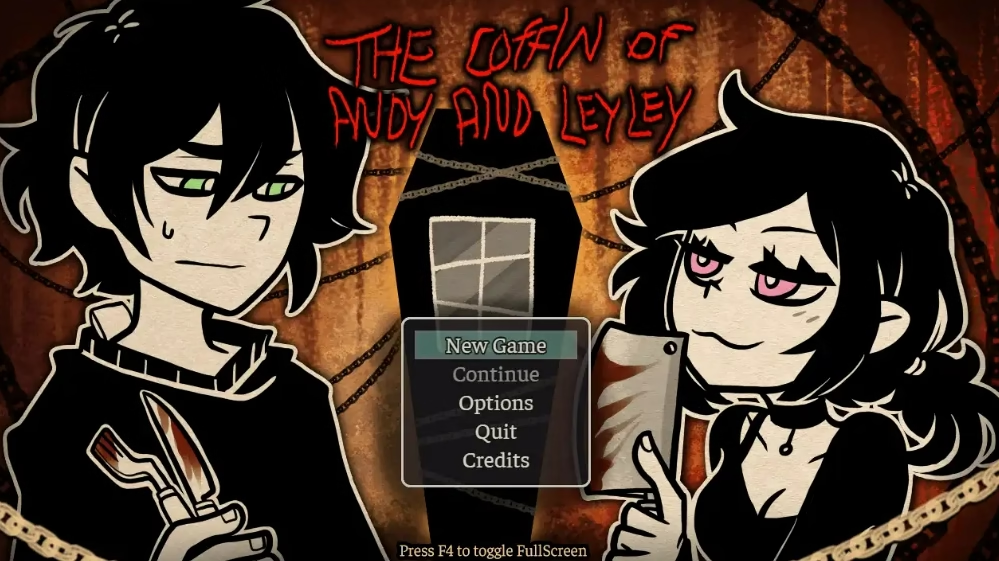
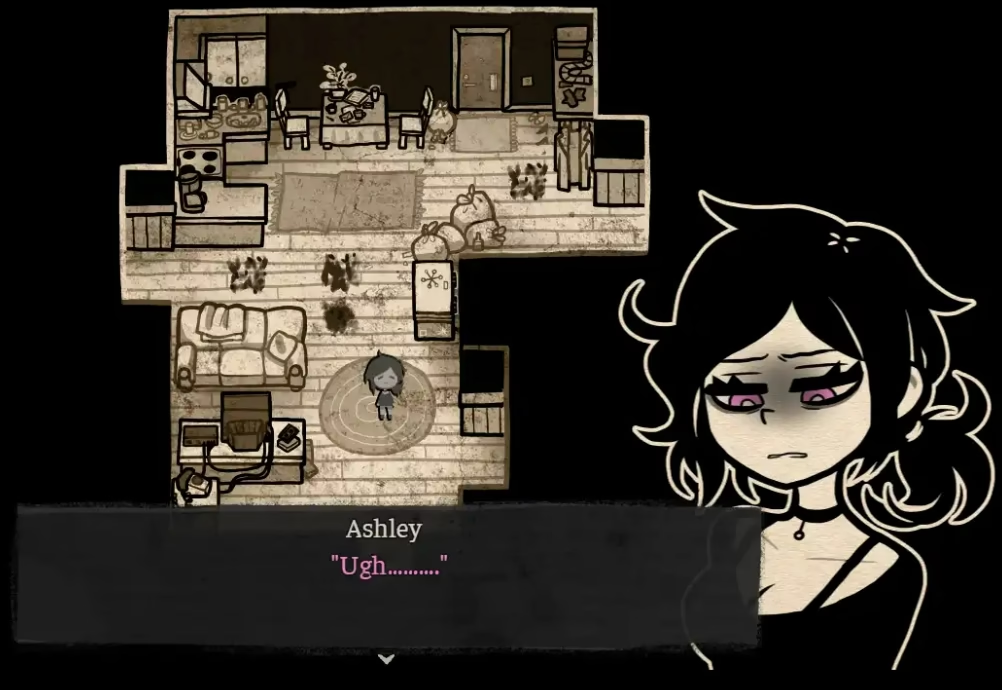
The supplied artwork establishes the tone clearly. A title image places Andrew and Ashley on opposite sides of a chained doorway, with the game menu between them. Another image combines a top-down apartment with a large Ashley portrait and dialogue box. The vertical cover isolates Ashley, her half-lidded expression, and a cleaver. These images do not promise a heroic escape story. They frame intimacy, dependence, manipulation, and threat as parts of the same visual relationship.
This archive edition uses the same Temple of the Jackal detail-page system as the other entries. The playable external build comes first, while verified images, the source gameplay video, an original spoiler-conscious guide, thematic analysis, browser notes, and an FAQ sit below it. The page does not reproduce the BloodMoney2 wording or interface. It preserves the source facts and assets inside the site's own sandstone gallery format.
01Top-down rooms, inspectable objects, and practical obstacles make the apartment a story map rather than a passive background.
 02
02Andrew and Ashley's words, poses, omissions, and reactions matter because the central danger is relational as well as physical.
 03
03Responses can preserve trust, assert a boundary, or deepen dependence, but the narrative rarely offers a consequence-free moral button.
04A second route can test how consistency, suspicion, compliance, or resistance changes the meaning of later scenes.
Case evidence · 02
The three images copied from the source project show the character cover, title screen, and exploration interface without revealing the complete route.
How to approach · 03
The strongest first playthrough comes from attention and a consistent interpretation, not from chasing a supposedly perfect answer before the story has earned one.
Use the mouse and keyboard prompts provided by the build to explore each room. Check objects, edges, doors, containers, and anything the characters describe differently. Environmental details often establish need, routine, or history before dialogue names it. If an interaction repeats the same line, move on rather than assuming every object hides a mechanical reward. The purpose of inspection is to understand the space and the siblings' priorities.
When Andrew or Ashley explains a situation, notice what the image actually shows and what the speaker wants the other person to believe. A line can be emotionally sincere while still being incomplete or manipulative. Character-driven horror becomes more legible when the player keeps two records: the event that occurred and the interpretation offered by each sibling. Their disagreement is often more important than a simple true-or-false judgment.
Make responses from a stable posture such as caution, loyalty, defiance, or self-preservation. Consistency helps reveal how the narrative answers that position. Randomly alternating warmth and hostility may still produce scenes, but it can obscure why the relationship changed. A coherent first run gives the second playthrough a meaningful comparison instead of turning every difference into guesswork.
On a later run, change one major assumption. Trust Ashley less, let Andrew resist earlier, inspect an overlooked object, or prioritize survival over family solidarity. Avoid reducing every choice to a collectible ending flag. The game's interest lies in how context changes a line, how dependence is negotiated, and how earlier decisions make later behavior feel inevitable or newly disturbing.
Screening room · 04
The source project supplies one gameplay video for previewing the interface, characters, and narrative pace before opening the game.
Watch enough to understand exploration and conversation, then stop before the footage reveals more of the route than you want spoiled.
Narrative analysis · 05
A sealed apartment is an effective horror setting because it converts basic needs into countdowns. Food, information, privacy, and movement stop being background assumptions. Every shortage creates a reason to compromise, and every compromise gives one sibling more leverage over the other. The external threat matters, but confinement also intensifies habits that existed before the door was locked.
The apartment therefore functions as more than a map. Its rooms store evidence of routines, neglect, and shared history. A kitchen can represent hunger, domestic expectation, or a recent argument depending on who is speaking. The top-down view makes the space readable while portraits and dialogue continually revise its emotional meaning. Navigation and interpretation happen together.
The siblings' dynamic attracts attention because it resists a comfortable division between innocent caretaker and obvious monster. Andrew may recognize danger while remaining entangled in it. Ashley may show affection while using attention, guilt, or volatility to control the terms of closeness. Their history gives each person knowledge that can be used as protection or as a weapon.
Character-driven horror becomes stronger when a player can understand an action without approving it. The story invites that distinction. Survival pressure may explain why someone chooses a cruel option, but explanation does not erase consequence. Likewise, resistance may look morally clear until it leaves the other sibling exposed. The pair remain disturbing because every role can shift under context.
Humor lets the story acknowledge the absurdity of a terrible situation without pretending that the situation is harmless. A dry reaction, exaggerated portrait, or cruelly practical exchange can release pressure for a moment. The player laughs because the alternative is to sit directly inside the discomfort. That temporary distance helps the narrative keep moving through material that might otherwise become monotonously grim.
The relief is unstable. A joke can expose how accustomed the siblings have become to danger, or how one person turns pain into performance. When the consequence returns, the earlier humor may feel less like escape and more like evidence. This tonal reversal is particularly effective in a visual novel because the same portrait can carry wit, threat, and exhaustion with only a small change in text.
Occult elements can look like a new source of horror entering the apartment, but their thematic value comes from connecting supernatural possibility to existing desire. A ritual, symbol, or forbidden solution becomes attractive because ordinary institutions and family structures have already failed. The characters do not encounter temptation in a vacuum; they carry needs that make the offer legible.
This relationship prevents the supernatural material from becoming unrelated decoration. The mystery asks what the siblings are willing to exchange for control, knowledge, or continued survival. Even when an outcome appears impossible by normal standards, the emotional bargain remains recognizable. The horror lies in discovering that the extraordinary choice may only formalize a dependency that was present all along.
A story choice matters when it expresses a belief, not only when it changes a later scene. Supporting Ashley may preserve connection while accepting her framing. Challenging her may create needed distance while escalating instability. Andrew's decisions can be read as care, fear, habit, strategy, or surrender, and the same response may contain more than one of those motives.
This ambiguity encourages the player to choose from interpretation. Instead of asking which option earns the best reward, the first run can ask which response seems honest for the person Andrew has become. Later playthroughs can test another posture. The comparison reveals not merely alternate content but the assumptions the player originally brought to the relationship.
Large character portraits occupy much of the screen during dialogue, while the apartment map remains visible behind or beside them. This composition prevents the player from treating conversation as a separate menu layer. Ashley's face can dominate a room even when her sprite is small, reproducing the way one personality can control the emotional scale of a shared space.
The limited palette, paper-like textures, heavy black shapes, and expressive eyes create a handmade storybook quality that clashes with the subject matter. Characters are readable enough to invite attachment, yet the rough edges and chained title screen refuse polished safety. The result feels intimate rather than cinematic, which makes manipulation and dependence harder to observe from a comfortable distance.
A second playthrough can show how early context controls later interpretation. A line that once sounded affectionate may become strategic after another route reveals what the speaker knew. An action that looked cowardly may read as the first attempt to establish a boundary. The text has not necessarily changed; the player's evidence has.
This is why spoiler-light preparation is more useful than an exhaustive first-run walkthrough. Knowing every result in advance can flatten uncomfortable uncertainty into a checklist. Allowing one coherent route to unfold preserves the experience of forming and revising a judgment. Detailed route hunting can come later, when comparison adds meaning instead of replacing discovery.
The game deals with violence, dysfunctional family bonds, manipulation, scarcity, occult material, and other disturbing themes. A launch page should identify that tone before the iframe starts. Content guidance is not a plot summary or moral verdict; it gives visitors enough context to choose whether the experience suits them today.
This independent archive neither endorses the characters' behavior nor claims that the story provides a model for healthy relationships. Its role is to make the browser edition accessible, preserve the supplied images and video, and describe the narrative form accurately. Players can engage critically, stop when uncomfortable, and seek the official creator channels for authoritative development or purchase information.
Browser notes · 06
The game loads from static.kingdomofmarionettes.org in an iframe. The surrounding article may render before the hosted files are ready, so allow the first visit a reasonable interval. Click inside the frame to give it pointer and keyboard focus. If it remains blank, refresh once and check whether a blocker, filtered DNS, antivirus web shield, or restricted network is preventing the external hostname from loading.
Use the control prompts shown by the build. Narrative games commonly combine keyboard movement with mouse or keyboard confirmation, but the embedded edition is authoritative. If keys scroll the webpage instead of moving a character, click inside the player again. Avoid refreshing during dialogue unless the game has clearly stopped responding because a reload may return to an earlier state.
Desktop and landscape tablet offer the most comfortable reading. The title screen and dialogue image use a wide composition, and small text can become tiring on a phone. Fullscreen expands the shell; press Escape to return. Keep browser zoom near 100 percent unless accessibility requires otherwise, and choose a zoom level that preserves both readable dialogue and visible interaction targets.
Any save, continue slot, or preference belongs to the external game and your browser storage. Use the same browser profile when returning, and avoid private mode or automatic cleanup if persistence matters. Temple of the Jackal cannot inspect, export, or restore another host's data. Consider noting important route decisions yourself if you plan to compare playthroughs.
Audio and pauses support the narrative rhythm. Browsers may block sound until the player receives a click, so check the tab, game settings, and operating-system mixer if the scene moves silently. Headphones can improve detail but are not required. Use a moderate volume and take reading breaks during long sessions, especially when the material is emotionally intense.
The story contains mature and potentially upsetting content involving dysfunctional relationships, violence, manipulation, confinement, and occult themes. The age confirmation is intended to prevent an accidental launch, not to certify that every adult will be comfortable. Stop when needed. This is an independent archive page, not the official game site, and all original names, code, artwork, and video remain with their respective owners.
Questions · 07
Useful answers with minimal spoilers and clear browser guidance.
Yes. Confirm the mature-content notice and launch the hosted browser edition inside the player. No separate installation is required.
It is a dark narrative horror game combining top-down exploration, object interaction, dialogue, choices, psychological tension, dark humor, and occult mystery.
The story follows siblings Andrew and Ashley. The title uses familiar names connected to their complicated relationship and shared history.
Explore rooms with the controls shown by the game, inspect relevant objects, read dialogue carefully, solve story problems, and choose responses when prompted.
Yes. Expect disturbing themes, violence, manipulation, dysfunctional family dynamics, confinement, occult material, and dark humor.
Choices help express how the protagonist responds to pressure and to Ashley. A consistent first route makes later replay differences easier to interpret.
The page may load, but desktop or landscape tablet is recommended because dialogue, portraits, and exploration are designed for a wide readable frame.
Wait for the external host, click inside the frame, refresh once, and check blockers or network filters affecting static.kingdomofmarionettes.org.
No. Any Continue data is controlled by the external build and browser storage. Return with the same profile and avoid clearing site data.
No. Temple of the Jackal is an independent archive page. The original game, characters, artwork, and other rights remain with their creator or owners.