 01
01Read broad sectors
Identify useful regions of the pointer cycle instead of demanding a perfect pixel under pressure.
EVERY REVOLUTION OFFERS A CHOICE AND REMOVES SOME TIME
Contains intense horror atmosphere, flashing movement, sudden danger, repeated failure, and escalating pressure.Archive game / One-button horror roguelike
Watch one rotating pointer, choose a narrow window, and commit to movement inside a compact horror run where time, direction, and landing position are the same decision.













Cycle briefing / 01
Death Spiral begins with a rule that can be explained in moments: observe the rotating pointer and press one button to commit. That apparent simplicity is not an absence of depth. Direction, timing, danger, distance, and the quality of the next position are compressed into one action, leaving the player with nowhere to hide an incomplete reading of the arena.
This Temple of the Jackal archive edition treats the run like a recovered mechanism. The browser player appears above verified local images, two short videos, a practical guide, a long original essay, troubleshooting notes, and nine FAQs. The goal is not to erase uncertainty with a walkthrough, but to show how repeated cycles can be observed, compared, and gradually controlled.
01Identify useful regions of the pointer cycle instead of demanding a perfect pixel under pressure.
 02
02Choose a destination that preserves another decision rather than rewarding distance alone.
 03
03Know how many revolutions the current position can afford before patience becomes a hazard.
 04
04After a failed run, isolate the first avoidable loss of control and revise only that window.
Recovered frames / 02
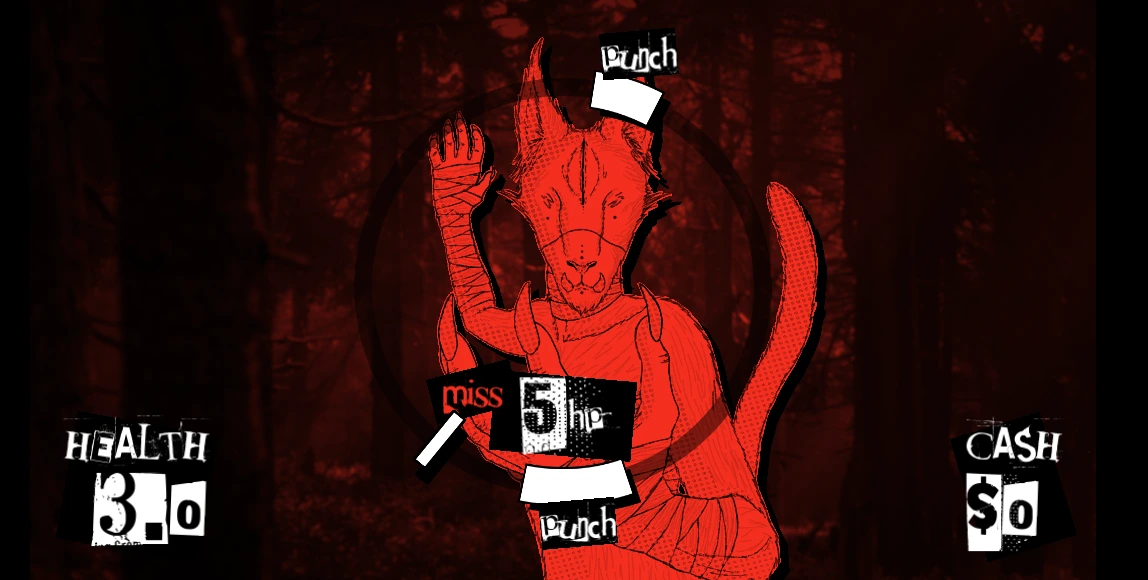
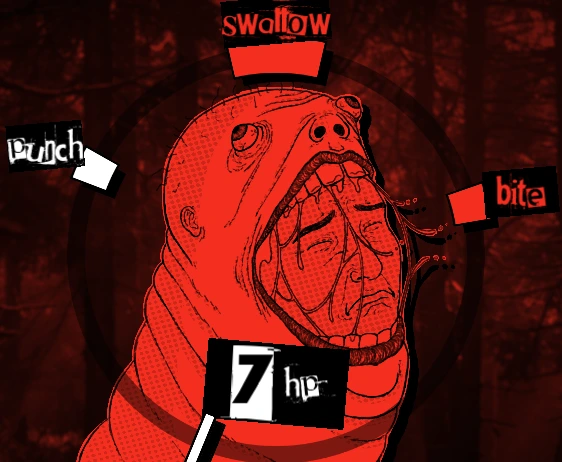
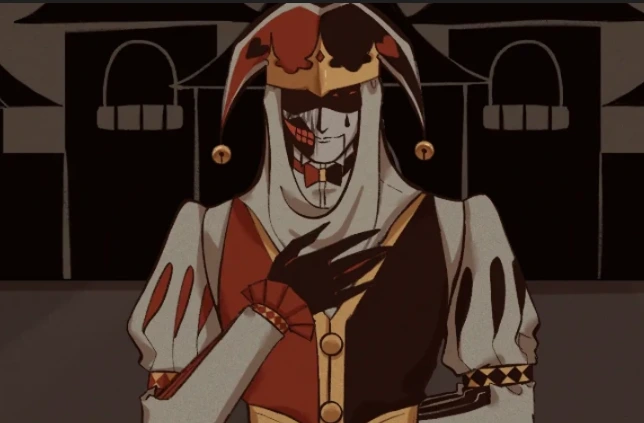
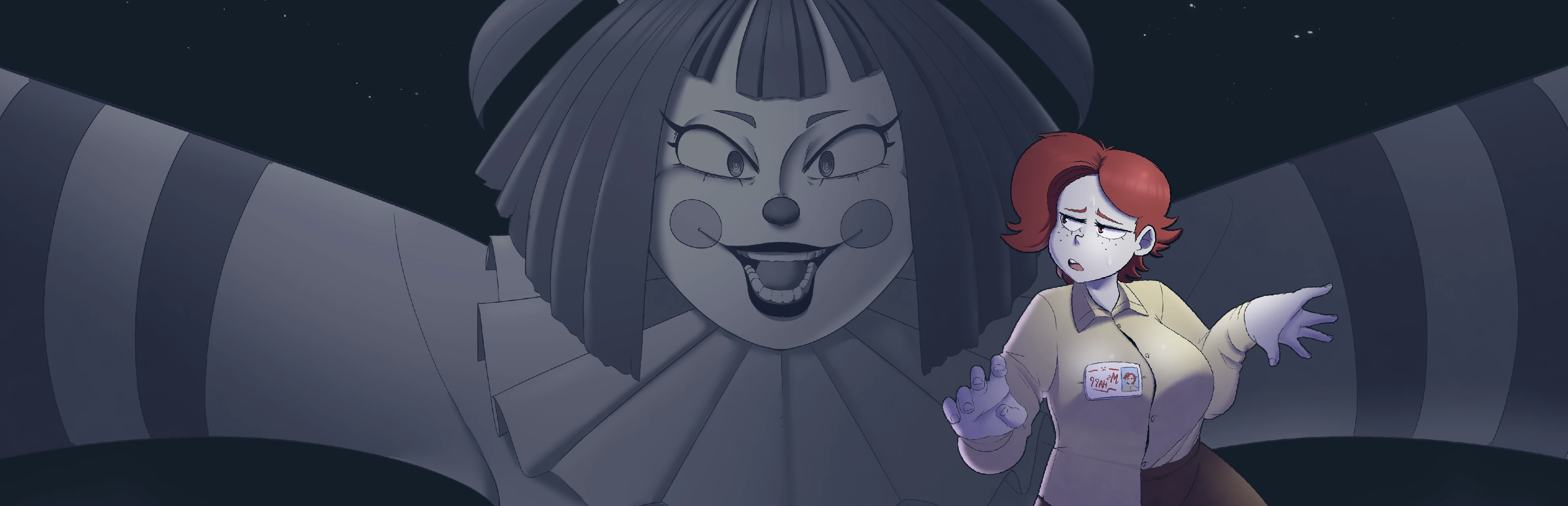
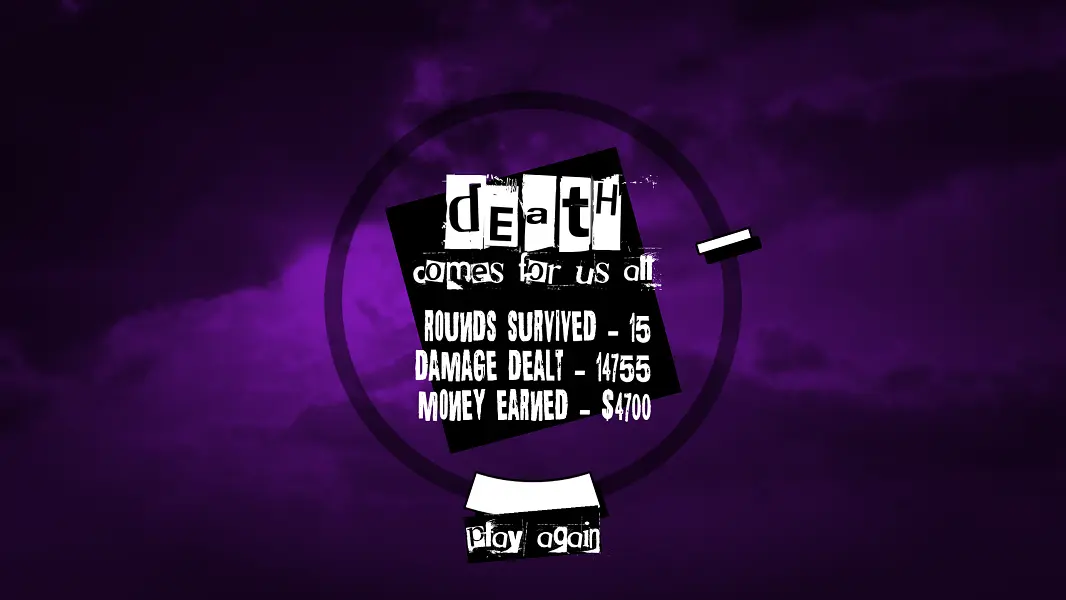
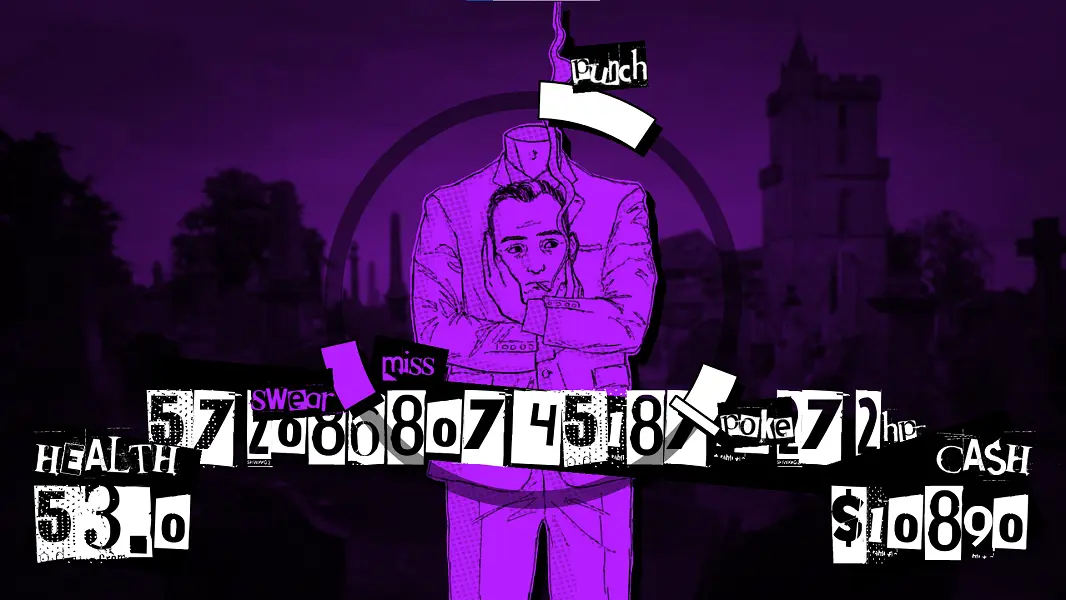
The supplied images show how minimal geometry, a readable pointer, and aggressive atmosphere can make the same basic action feel different as the run accelerates.
Operator notes / 03
Treat each run as a sequence of observations that can be compared, not as a verdict on reflex speed.
Let the pointer complete several cycles and identify stable sectors, travel behavior, and the pace of nearby threats.
Judge a move by the options available after landing. Open space is often worth more than maximum distance.
Decide how many cycles remain safe so a search for better alignment cannot continue forever.
After death, find the earliest choice that reduced two options to one and test a different timing window.
Signal room / 04
The two vertical videos provide quick timing context while the interactive browser build remains the main way to understand the controls.
Observe how one button converts the rotating pointer into committed movement.
See how increasing danger makes position and waiting time part of the same calculation.
Archive essay / 05
Death Spiral demonstrates that A rotating pointer compresses direction and timing into one irreversible decision. The player cannot hide a weak plan behind a second control, so every click reveals whether the arena was actually understood before movement began. The small input vocabulary makes the arena unusually honest. When a move fails, the cause can often be traced to a visible relationship between pointer direction, commitment time, nearby threat, and final position. The horror presentation complicates that reading by making delay feel emotionally expensive, yet the underlying cycle remains available for study. A strong run begins when the player stops treating each revolution as a new emergency and starts recognizing the windows that repeatedly return.
A useful method is to describe the intended move before pressing: name the broad sector, the target space, the threat being avoided, and the number of cycles the current position can still afford. This sentence may be short, but it prevents a reflex from pretending to be a plan. After landing, the old decision is finished. Read the new arena immediately and judge whether the move preserved choice. Progress measured only as distance can hide a severe positioning debt that the next pattern will collect.
Within the sandstone archive design, the spiral is presented like a dangerous temple instrument whose rule is simple but whose operation demands discipline. Each failed run leaves a small inscription: an early click, an overlong wait, a narrow landing, or a panic response to sound rather than geometry. Preserve the successful opening and change one inscription at a time. That controlled replay produces knowledge without removing dread, because understanding the mechanism does not guarantee that the player can remain calm when it accelerates.
The game demonstrates that Its returning cycle creates recognizable windows. Broad safe sectors matter more than chasing a perfect visual angle, because a repeatable window remains useful when speed and pressure increase. The small input vocabulary makes the arena unusually honest. When a move fails, the cause can often be traced to a visible relationship between pointer direction, commitment time, nearby threat, and final position. The horror presentation complicates that reading by making delay feel emotionally expensive, yet the underlying cycle remains available for study. A strong run begins when the player stops treating each revolution as a new emergency and starts recognizing the windows that repeatedly return.
A useful method is to describe the intended move before pressing: name the broad sector, the target space, the threat being avoided, and the number of cycles the current position can still afford. This sentence may be short, but it prevents a reflex from pretending to be a plan. After landing, the old decision is finished. Read the new arena immediately and judge whether the move preserved choice. Progress measured only as distance can hide a severe positioning debt that the next pattern will collect.
Within the sandstone archive design, the spiral is presented like a dangerous temple instrument whose rule is simple but whose operation demands discipline. Each failed run leaves a small inscription: an early click, an overlong wait, a narrow landing, or a panic response to sound rather than geometry. Preserve the successful opening and change one inscription at a time. That controlled replay produces knowledge without removing dread, because understanding the mechanism does not guarantee that the player can remain calm when it accelerates.
The game demonstrates that Distance alone does not measure success. A shorter motion into open space can preserve several future directions, while a dramatic launch may end beside a threat with no safe follow-up. The small input vocabulary makes the arena unusually honest. When a move fails, the cause can often be traced to a visible relationship between pointer direction, commitment time, nearby threat, and final position. The horror presentation complicates that reading by making delay feel emotionally expensive, yet the underlying cycle remains available for study. A strong run begins when the player stops treating each revolution as a new emergency and starts recognizing the windows that repeatedly return.
A useful method is to describe the intended move before pressing: name the broad sector, the target space, the threat being avoided, and the number of cycles the current position can still afford. This sentence may be short, but it prevents a reflex from pretending to be a plan. After landing, the old decision is finished. Read the new arena immediately and judge whether the move preserved choice. Progress measured only as distance can hide a severe positioning debt that the next pattern will collect.
Within the sandstone archive design, the spiral is presented like a dangerous temple instrument whose rule is simple but whose operation demands discipline. Each failed run leaves a small inscription: an early click, an overlong wait, a narrow landing, or a panic response to sound rather than geometry. Preserve the successful opening and change one inscription at a time. That controlled replay produces knowledge without removing dread, because understanding the mechanism does not guarantee that the player can remain calm when it accelerates.
The game demonstrates that Patience improves alignment, but the arena does not pause. Good play estimates how many more cycles the present position can afford and commits before careful observation becomes passive surrender. The small input vocabulary makes the arena unusually honest. When a move fails, the cause can often be traced to a visible relationship between pointer direction, commitment time, nearby threat, and final position. The horror presentation complicates that reading by making delay feel emotionally expensive, yet the underlying cycle remains available for study. A strong run begins when the player stops treating each revolution as a new emergency and starts recognizing the windows that repeatedly return.
A useful method is to describe the intended move before pressing: name the broad sector, the target space, the threat being avoided, and the number of cycles the current position can still afford. This sentence may be short, but it prevents a reflex from pretending to be a plan. After landing, the old decision is finished. Read the new arena immediately and judge whether the move preserved choice. Progress measured only as distance can hide a severe positioning debt that the next pattern will collect.
Within the sandstone archive design, the spiral is presented like a dangerous temple instrument whose rule is simple but whose operation demands discipline. Each failed run leaves a small inscription: an early click, an overlong wait, a narrow landing, or a panic response to sound rather than geometry. Preserve the successful opening and change one inscription at a time. That controlled replay produces knowledge without removing dread, because understanding the mechanism does not guarantee that the player can remain calm when it accelerates.
The game demonstrates that Sound, flashing movement, and visual compression can make every instant feel like the final instant. The mechanical picture is usually more precise than the emotional alarm, so the pointer and nearby danger must be read separately. The small input vocabulary makes the arena unusually honest. When a move fails, the cause can often be traced to a visible relationship between pointer direction, commitment time, nearby threat, and final position. The horror presentation complicates that reading by making delay feel emotionally expensive, yet the underlying cycle remains available for study. A strong run begins when the player stops treating each revolution as a new emergency and starts recognizing the windows that repeatedly return.
A useful method is to describe the intended move before pressing: name the broad sector, the target space, the threat being avoided, and the number of cycles the current position can still afford. This sentence may be short, but it prevents a reflex from pretending to be a plan. After landing, the old decision is finished. Read the new arena immediately and judge whether the move preserved choice. Progress measured only as distance can hide a severe positioning debt that the next pattern will collect.
Within the sandstone archive design, the spiral is presented like a dangerous temple instrument whose rule is simple but whose operation demands discipline. Each failed run leaves a small inscription: an early click, an overlong wait, a narrow landing, or a panic response to sound rather than geometry. Preserve the successful opening and change one inscription at a time. That controlled replay produces knowledge without removing dread, because understanding the mechanism does not guarantee that the player can remain calm when it accelerates.
The game demonstrates that A quick restart is valuable when the player can name the first avoidable loss of control. Changing that one window creates evidence; changing the entire route only creates another mystery. The small input vocabulary makes the arena unusually honest. When a move fails, the cause can often be traced to a visible relationship between pointer direction, commitment time, nearby threat, and final position. The horror presentation complicates that reading by making delay feel emotionally expensive, yet the underlying cycle remains available for study. A strong run begins when the player stops treating each revolution as a new emergency and starts recognizing the windows that repeatedly return.
A useful method is to describe the intended move before pressing: name the broad sector, the target space, the threat being avoided, and the number of cycles the current position can still afford. This sentence may be short, but it prevents a reflex from pretending to be a plan. After landing, the old decision is finished. Read the new arena immediately and judge whether the move preserved choice. Progress measured only as distance can hide a severe positioning debt that the next pattern will collect.
Within the sandstone archive design, the spiral is presented like a dangerous temple instrument whose rule is simple but whose operation demands discipline. Each failed run leaves a small inscription: an early click, an overlong wait, a narrow landing, or a panic response to sound rather than geometry. Preserve the successful opening and change one inscription at a time. That controlled replay produces knowledge without removing dread, because understanding the mechanism does not guarantee that the player can remain calm when it accelerates.
The game demonstrates that Repeating a conservative early rhythm frees concentration for later patterns. Mastery begins when familiar choices no longer consume the same mental energy as new threats. The small input vocabulary makes the arena unusually honest. When a move fails, the cause can often be traced to a visible relationship between pointer direction, commitment time, nearby threat, and final position. The horror presentation complicates that reading by making delay feel emotionally expensive, yet the underlying cycle remains available for study. A strong run begins when the player stops treating each revolution as a new emergency and starts recognizing the windows that repeatedly return.
A useful method is to describe the intended move before pressing: name the broad sector, the target space, the threat being avoided, and the number of cycles the current position can still afford. This sentence may be short, but it prevents a reflex from pretending to be a plan. After landing, the old decision is finished. Read the new arena immediately and judge whether the move preserved choice. Progress measured only as distance can hide a severe positioning debt that the next pattern will collect.
Within the sandstone archive design, the spiral is presented like a dangerous temple instrument whose rule is simple but whose operation demands discipline. Each failed run leaves a small inscription: an early click, an overlong wait, a narrow landing, or a panic response to sound rather than geometry. Preserve the successful opening and change one inscription at a time. That controlled replay produces knowledge without removing dread, because understanding the mechanism does not guarantee that the player can remain calm when it accelerates.
The game demonstrates that Fullscreen, reliable iframe focus, a readable display, and short breaks matter. Fatigue turns separate attempts into one blurred sequence and makes panic feel like instinct instead of a correctable habit. The small input vocabulary makes the arena unusually honest. When a move fails, the cause can often be traced to a visible relationship between pointer direction, commitment time, nearby threat, and final position. The horror presentation complicates that reading by making delay feel emotionally expensive, yet the underlying cycle remains available for study. A strong run begins when the player stops treating each revolution as a new emergency and starts recognizing the windows that repeatedly return.
A useful method is to describe the intended move before pressing: name the broad sector, the target space, the threat being avoided, and the number of cycles the current position can still afford. This sentence may be short, but it prevents a reflex from pretending to be a plan. After landing, the old decision is finished. Read the new arena immediately and judge whether the move preserved choice. Progress measured only as distance can hide a severe positioning debt that the next pattern will collect.
Within the sandstone archive design, the spiral is presented like a dangerous temple instrument whose rule is simple but whose operation demands discipline. Each failed run leaves a small inscription: an early click, an overlong wait, a narrow landing, or a panic response to sound rather than geometry. Preserve the successful opening and change one inscription at a time. That controlled replay produces knowledge without removing dread, because understanding the mechanism does not guarantee that the player can remain calm when it accelerates.
Browser procedure / 06
Launch the player, wait for the remote files, and click inside the game area before testing the button. Fullscreen reduces surrounding distraction and makes pointer direction easier to judge. On mobile, landscape orientation may provide a clearer field, although a desktop display offers more stable visual timing.
If the iframe remains blank, refresh once and check privacy extensions, DNS filters, or networks that block scripts and embedded games. Flashing motion and repeated short failures can create fatigue quickly. Pause when attempts blur together, because the game rewards accurate comparison more than exhausted repetition.
Questions · 07
Useful answers with minimal spoilers and clear browser guidance.
Death Spiral is a compact one-button horror roguelike where a rotating pointer determines the direction and timing of each committed move.
Yes. Use the player on this page to load the browser edition without installing a separate application.
Watch the rotating pointer and press the main action button when it enters a direction that supports a safe move.
Learn the pointer rhythm, broad safe sectors, movement distance, and how long the starting position can safely wait.
The next decision begins where the previous one ends, so open space and multiple options are often more valuable than distance.
Identify the first avoidable loss of control and change only that timing window while preserving the route that worked.
It may run in a current mobile browser, but landscape orientation and a larger display make rapid movement easier to read.
Wait for remote assets, click inside the frame, refresh once, and check extensions or networks that block scripts and iframes.
It contains intense horror atmosphere, flashing movement, sudden danger, repeated failure, and escalating pressure.