 01
01Read below
Locate the next platform, enemy, and safe lane before a fast drop.
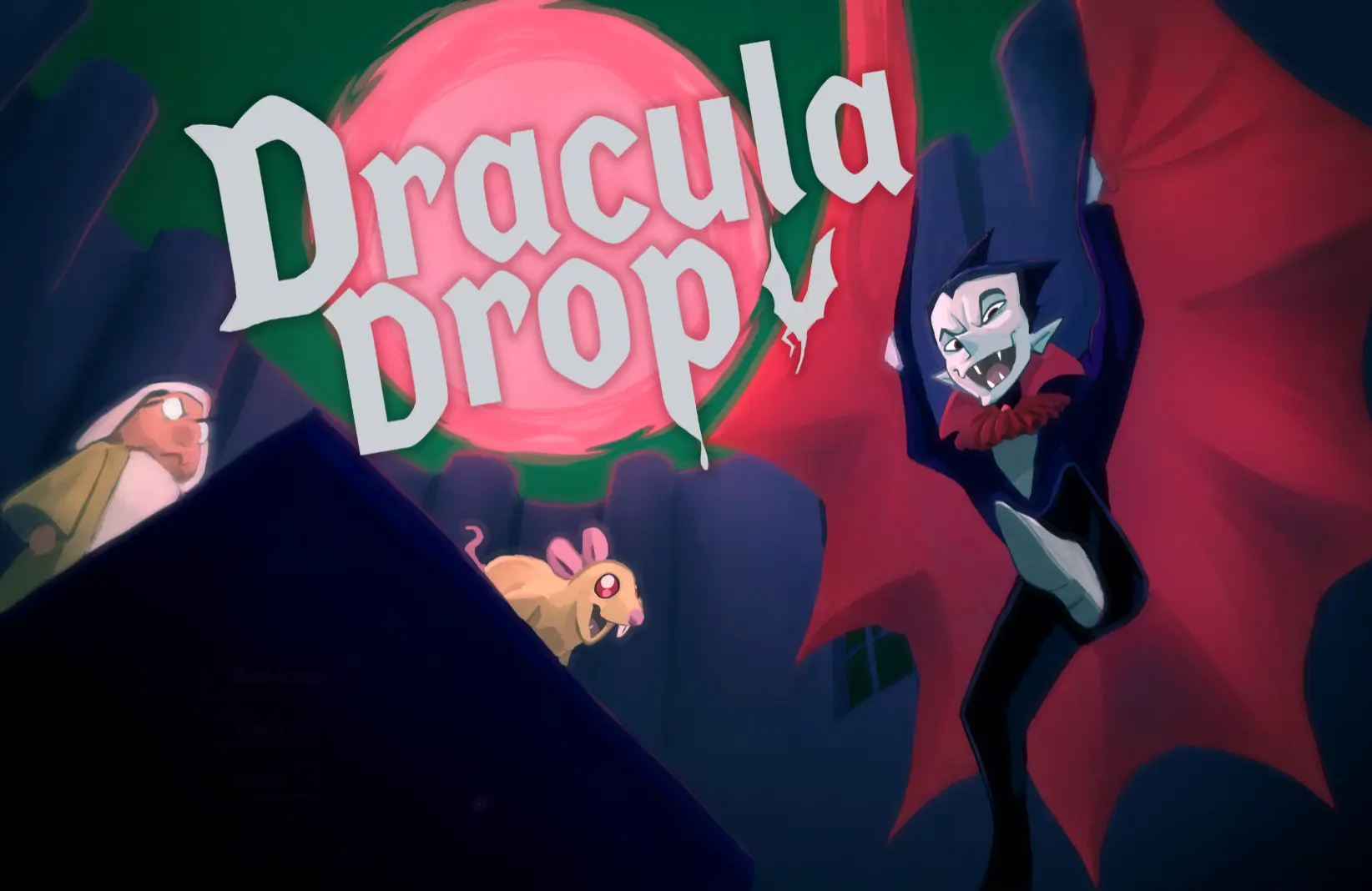
THE SUN IS RISING ABOVE THE TOWER
Contains stylized vampire combat, dark imagery, rapid movement, and flashing action effects.Archive game / Vampire tower action
Count Dracula has lost track of time while moon-bathing. Descend his invaded tower, harvest blood, empower the coffins, and travel as deep as possible before sunrise ends the run.
Descent record
Mark the movement, combat, and survival milestones you complete during Dracula Drop. This personal checklist stays in this browser.


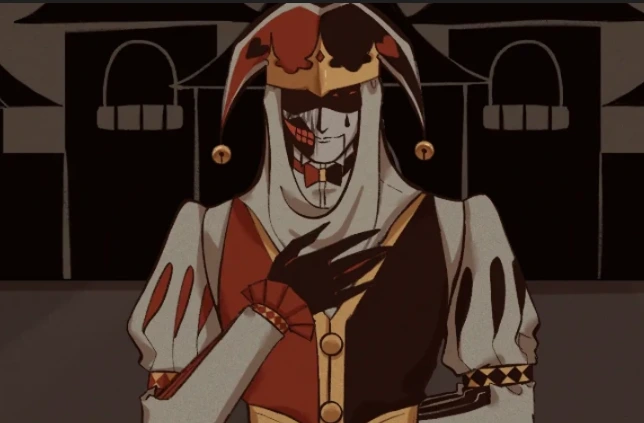
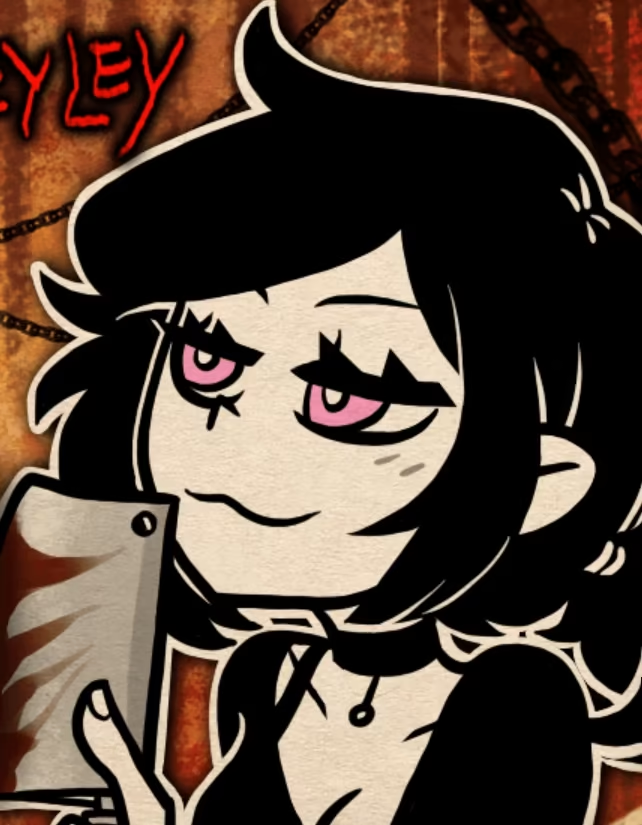

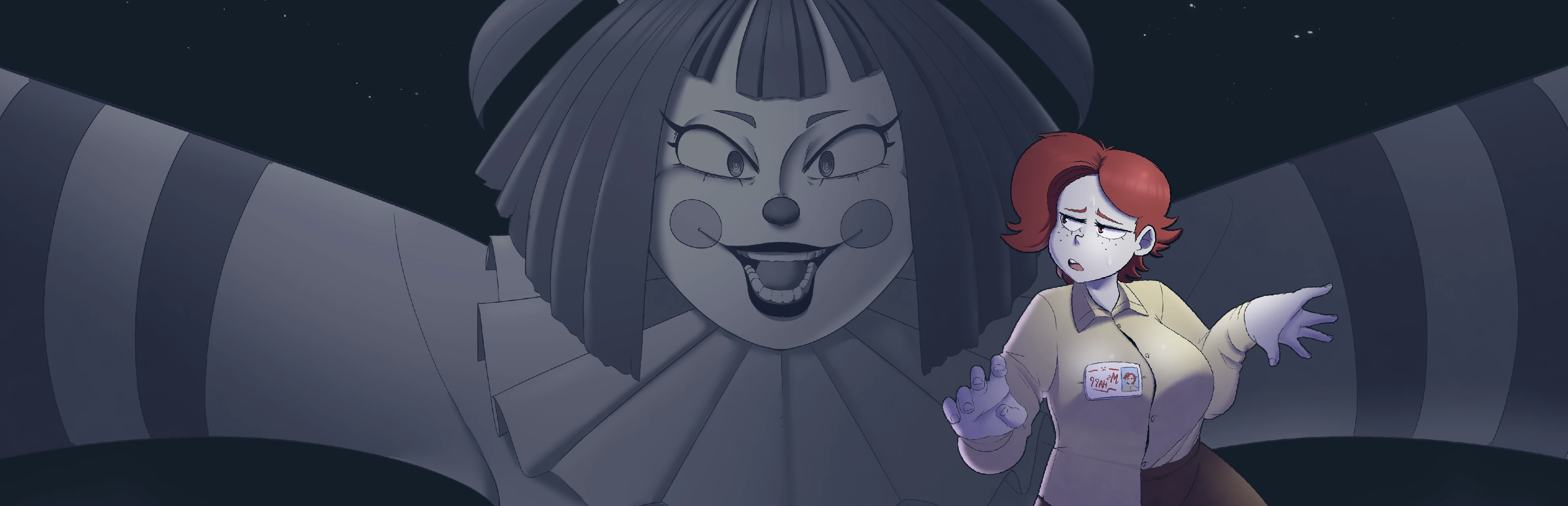



Night watch / 01
Dracula Drop begins after Count Dracula spends so long moon-bathing that dawn is already approaching. Safety lies farther down inside his tower, but invaders occupy the route. The player must descend, fight for blood, and decide how much time can be invested in power before sunlight catches the run.
This Temple of the Jackal archive edition treats the tower as a vertical mechanism. The playable Godot frame appears above local artwork, control notes, route analysis, browser troubleshooting, an extended original essay, and nine FAQs. No video addresses were supplied, so the page preserves an honest image-led record instead of inventing media.
01Locate the next platform, enemy, and safe lane before a fast drop.
 02
02Choose encounters whose blood reward supports a longer descent.
 03
03Combine jumps, hovering, lateral dashes, and downward dashes.
04Convert gathered blood into strength and more time before dawn.
Tower evidence / 02
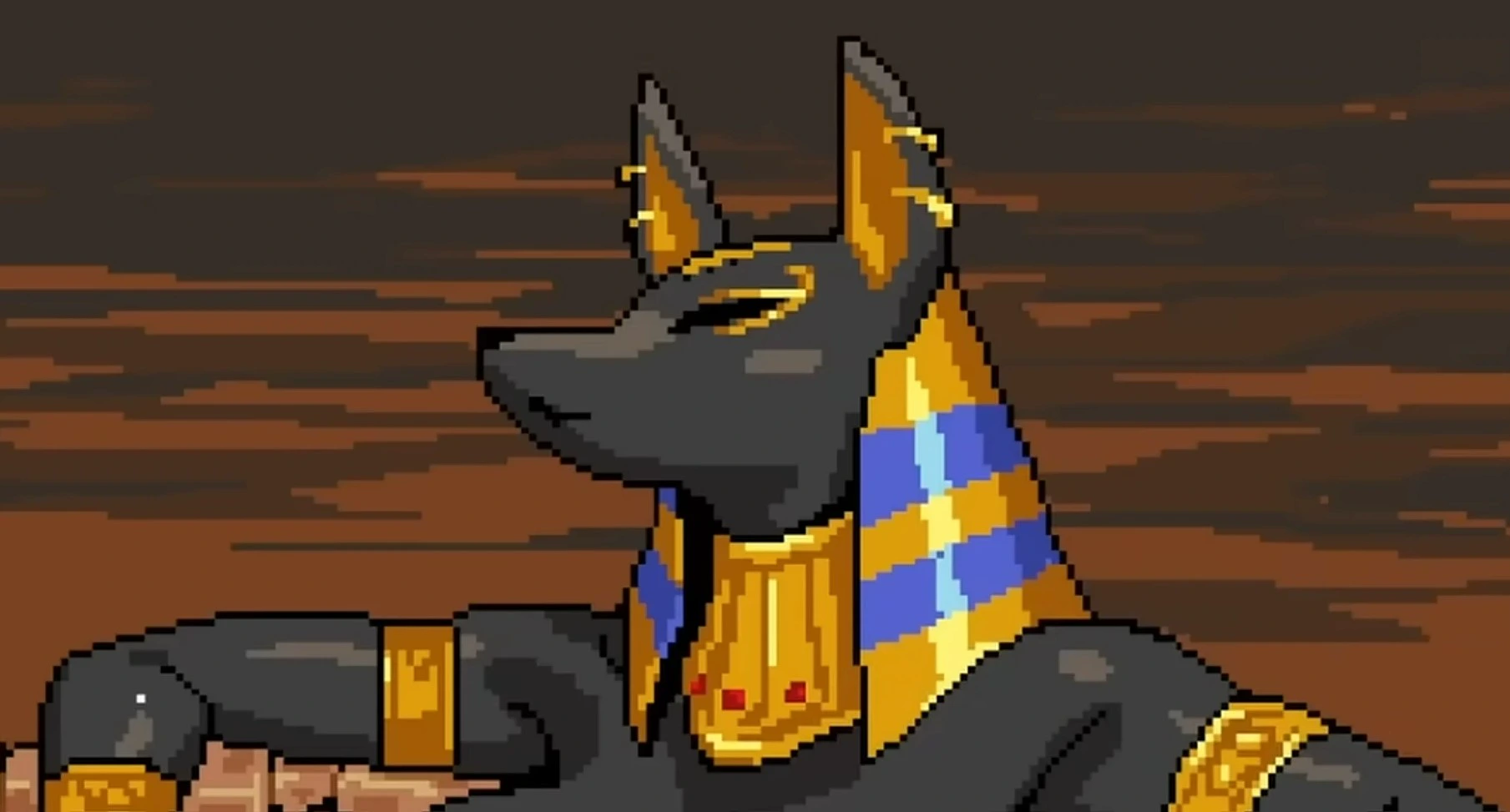
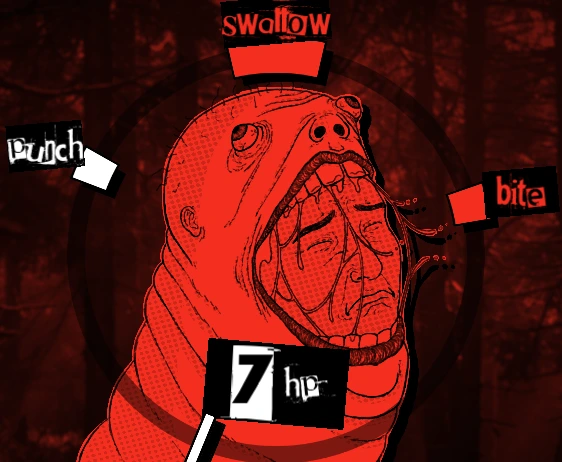
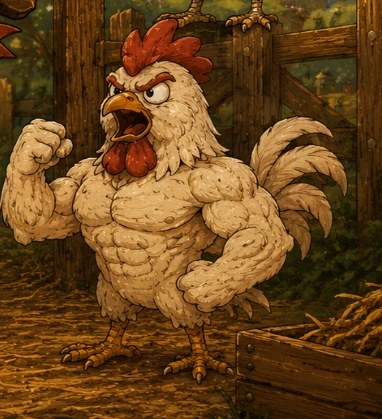
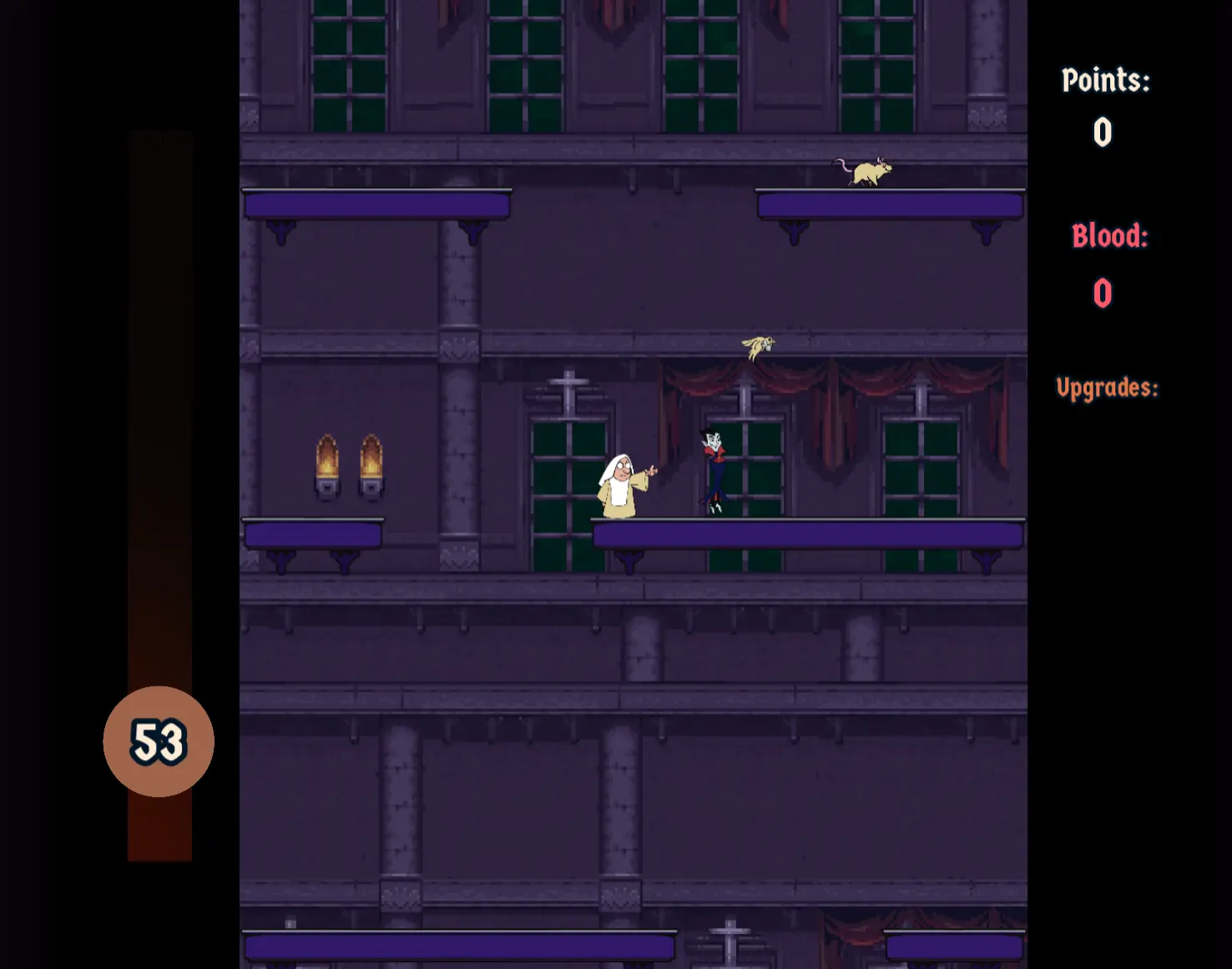
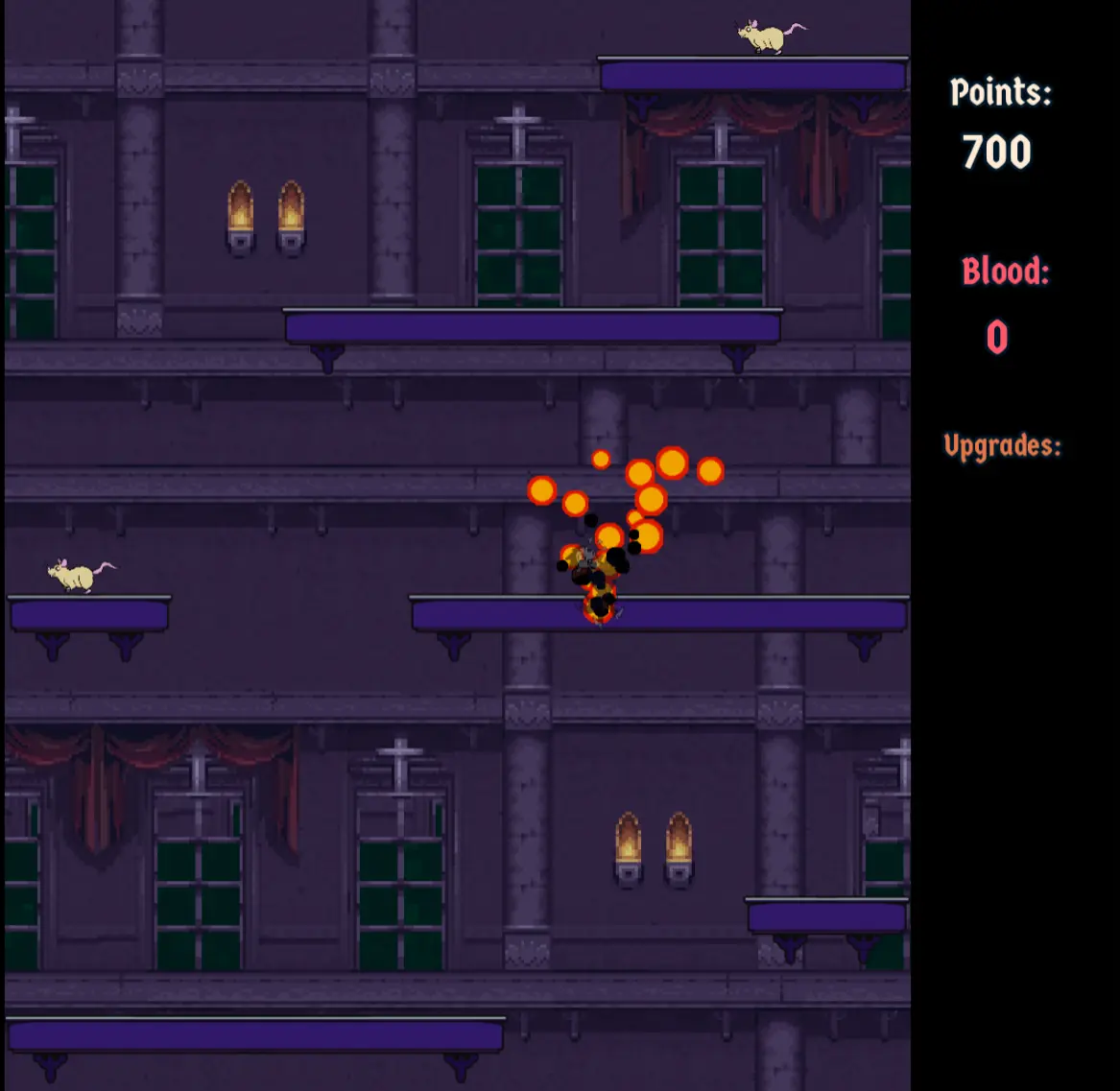
The supplied images show the hand-drawn tower, Count Dracula, hostile encounters, and the vertical spaces that turn falling into deliberate navigation.
Descent procedure / 03
Build a repeatable route before demanding a spectacular score.
Read the next platform and escape direction before leaving the current floor.
Use hovering to inspect or correct a fall instead of spending it automatically.
Compare expected blood with the daylight and recovery the encounter may consume.
After sunrise catches the run, revise the first avoidable loss of momentum.
Moving records / 04
The current page uses the playable browser build and verified local images because no video URLs were provided for this rollout.
Archive essay / 05
The tower is not simply a collection of floors. Sunrise turns it into a clock whose remaining time can be spent on movement, combat, recovery, or upgrades. Dracula Drop keeps the premise readable: Count Dracula must move down before daylight reaches him. Yet the route is not automatic. Platforms, enemies, blood, coffins, and movement options create competing uses for each second. A player who only holds a direction may descend quickly for a moment, then lose more time correcting a poor landing. The tower rewards anticipation because a controlled fall can already contain the plan for the following floor.
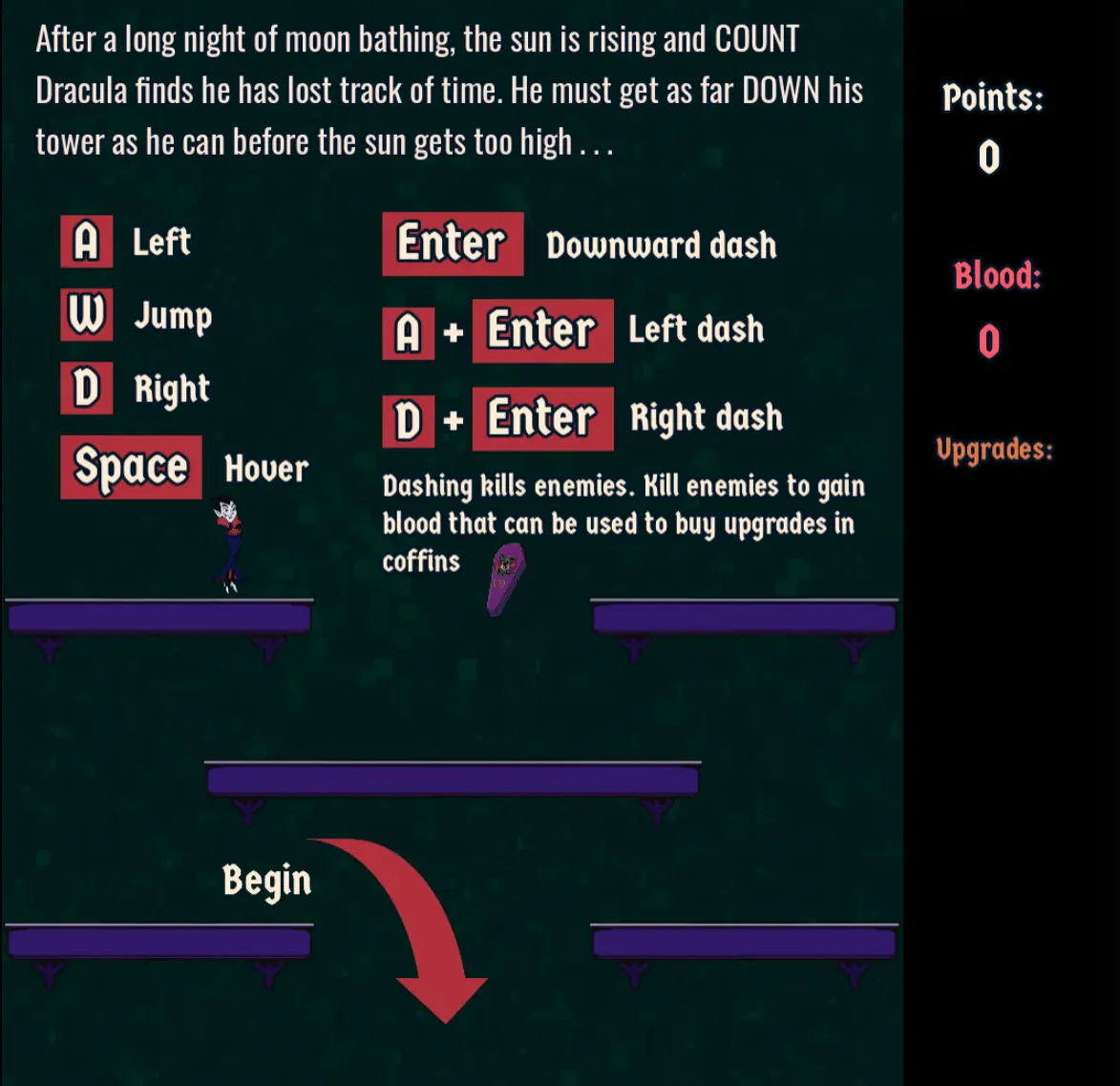
The official controls support that planning. A and D move horizontally, W jumps, Space hovers, A or D with Enter performs a lateral dash, and Enter alone drives a downward dash. Hovering provides information and correction before gravity completes the decision. These moves should be combined as answers to geometry rather than pressed as separate tricks. The best sequence preserves momentum and leaves another option available.
Blood makes the descent an economy. Combat can finance upgrades and delay dawn in coffins, but every fight also occupies the clock. Treat the first runs as route surveys. Record where blood was useful, where a coffin arrived too late, and where a dash created recovery work. Change one decision on replay and keep the reliable opening. This measured method does not remove the arcade tension; it reveals why a deeper score was earned instead of lucky.
Fast descent is useful only when the player reads the next platform, enemy, and escape lane before committing to gravity. Dracula Drop keeps the premise readable: Count Dracula must move down before daylight reaches him. Yet the route is not automatic. Platforms, enemies, blood, coffins, and movement options create competing uses for each second. A player who only holds a direction may descend quickly for a moment, then lose more time correcting a poor landing. The tower rewards anticipation because a controlled fall can already contain the plan for the following floor.
The official controls support that planning. A and D move horizontally, W jumps, Space hovers, A or D with Enter performs a lateral dash, and Enter alone drives a downward dash. Dashing converts a known route into speed, but it is strongest after the landing area has been read. These moves should be combined as answers to geometry rather than pressed as separate tricks. The best sequence preserves momentum and leaves another option available.
Blood makes the descent an economy. Combat can finance upgrades and delay dawn in coffins, but every fight also occupies the clock. Treat the first runs as route surveys. Record where blood was useful, where a coffin arrived too late, and where a dash created recovery work. Change one decision on replay and keep the reliable opening. This measured method does not remove the arcade tension; it reveals why a deeper score was earned instead of lucky.
Invaders are obstacles and resources because killing them produces the blood used to empower Dracula and forestall dawn. Dracula Drop keeps the premise readable: Count Dracula must move down before daylight reaches him. Yet the route is not automatic. Platforms, enemies, blood, coffins, and movement options create competing uses for each second. A player who only holds a direction may descend quickly for a moment, then lose more time correcting a poor landing. The tower rewards anticipation because a controlled fall can already contain the plan for the following floor.
The official controls support that planning. A and D move horizontally, W jumps, Space hovers, A or D with Enter performs a lateral dash, and Enter alone drives a downward dash. Hovering provides information and correction before gravity completes the decision. These moves should be combined as answers to geometry rather than pressed as separate tricks. The best sequence preserves momentum and leaves another option available.
Blood makes the descent an economy. Combat can finance upgrades and delay dawn in coffins, but every fight also occupies the clock. Treat the first runs as route surveys. Record where blood was useful, where a coffin arrived too late, and where a dash created recovery work. Change one decision on replay and keep the reliable opening. This measured method does not remove the arcade tension; it reveals why a deeper score was earned instead of lucky.
A coffin pauses the visible descent long enough to turn accumulated blood into a stronger chance of reaching deeper rooms. Dracula Drop keeps the premise readable: Count Dracula must move down before daylight reaches him. Yet the route is not automatic. Platforms, enemies, blood, coffins, and movement options create competing uses for each second. A player who only holds a direction may descend quickly for a moment, then lose more time correcting a poor landing. The tower rewards anticipation because a controlled fall can already contain the plan for the following floor.
The official controls support that planning. A and D move horizontally, W jumps, Space hovers, A or D with Enter performs a lateral dash, and Enter alone drives a downward dash. Dashing converts a known route into speed, but it is strongest after the landing area has been read. These moves should be combined as answers to geometry rather than pressed as separate tricks. The best sequence preserves momentum and leaves another option available.
Blood makes the descent an economy. Combat can finance upgrades and delay dawn in coffins, but every fight also occupies the clock. Treat the first runs as route surveys. Record where blood was useful, where a coffin arrived too late, and where a dash created recovery work. Change one decision on replay and keep the reliable opening. This measured method does not remove the arcade tension; it reveals why a deeper score was earned instead of lucky.
Running, jumping, hovering, lateral dashing, and downward dashing create a vocabulary for correcting position and preserving momentum. Dracula Drop keeps the premise readable: Count Dracula must move down before daylight reaches him. Yet the route is not automatic. Platforms, enemies, blood, coffins, and movement options create competing uses for each second. A player who only holds a direction may descend quickly for a moment, then lose more time correcting a poor landing. The tower rewards anticipation because a controlled fall can already contain the plan for the following floor.
The official controls support that planning. A and D move horizontally, W jumps, Space hovers, A or D with Enter performs a lateral dash, and Enter alone drives a downward dash. Hovering provides information and correction before gravity completes the decision. These moves should be combined as answers to geometry rather than pressed as separate tricks. The best sequence preserves momentum and leaves another option available.
Blood makes the descent an economy. Combat can finance upgrades and delay dawn in coffins, but every fight also occupies the clock. Treat the first runs as route surveys. Record where blood was useful, where a coffin arrived too late, and where a dash created recovery work. Change one decision on replay and keep the reliable opening. This measured method does not remove the arcade tension; it reveals why a deeper score was earned instead of lucky.
A fight deserves attention when its blood value and route position repay the daylight and danger consumed. Dracula Drop keeps the premise readable: Count Dracula must move down before daylight reaches him. Yet the route is not automatic. Platforms, enemies, blood, coffins, and movement options create competing uses for each second. A player who only holds a direction may descend quickly for a moment, then lose more time correcting a poor landing. The tower rewards anticipation because a controlled fall can already contain the plan for the following floor.
The official controls support that planning. A and D move horizontally, W jumps, Space hovers, A or D with Enter performs a lateral dash, and Enter alone drives a downward dash. Dashing converts a known route into speed, but it is strongest after the landing area has been read. These moves should be combined as answers to geometry rather than pressed as separate tricks. The best sequence preserves momentum and leaves another option available.
Blood makes the descent an economy. Combat can finance upgrades and delay dawn in coffins, but every fight also occupies the clock. Treat the first runs as route surveys. Record where blood was useful, where a coffin arrived too late, and where a dash created recovery work. Change one decision on replay and keep the reliable opening. This measured method does not remove the arcade tension; it reveals why a deeper score was earned instead of lucky.
A high score summarizes how well the run joined movement, combat, resource use, and recovery rather than measuring reckless speed alone. Dracula Drop keeps the premise readable: Count Dracula must move down before daylight reaches him. Yet the route is not automatic. Platforms, enemies, blood, coffins, and movement options create competing uses for each second. A player who only holds a direction may descend quickly for a moment, then lose more time correcting a poor landing. The tower rewards anticipation because a controlled fall can already contain the plan for the following floor.
The official controls support that planning. A and D move horizontally, W jumps, Space hovers, A or D with Enter performs a lateral dash, and Enter alone drives a downward dash. Hovering provides information and correction before gravity completes the decision. These moves should be combined as answers to geometry rather than pressed as separate tricks. The best sequence preserves momentum and leaves another option available.
Blood makes the descent an economy. Combat can finance upgrades and delay dawn in coffins, but every fight also occupies the clock. Treat the first runs as route surveys. Record where blood was useful, where a coffin arrived too late, and where a dash created recovery work. Change one decision on replay and keep the reliable opening. This measured method does not remove the arcade tension; it reveals why a deeper score was earned instead of lucky.
The clearest improvement comes from revising one missed platform, unnecessary fight, late coffin, or weak dash while preserving the rest. Dracula Drop keeps the premise readable: Count Dracula must move down before daylight reaches him. Yet the route is not automatic. Platforms, enemies, blood, coffins, and movement options create competing uses for each second. A player who only holds a direction may descend quickly for a moment, then lose more time correcting a poor landing. The tower rewards anticipation because a controlled fall can already contain the plan for the following floor.
The official controls support that planning. A and D move horizontally, W jumps, Space hovers, A or D with Enter performs a lateral dash, and Enter alone drives a downward dash. Dashing converts a known route into speed, but it is strongest after the landing area has been read. These moves should be combined as answers to geometry rather than pressed as separate tricks. The best sequence preserves momentum and leaves another option available.
Blood makes the descent an economy. Combat can finance upgrades and delay dawn in coffins, but every fight also occupies the clock. Treat the first runs as route surveys. Record where blood was useful, where a coffin arrived too late, and where a dash created recovery work. Change one decision on replay and keep the reliable opening. This measured method does not remove the arcade tension; it reveals why a deeper score was earned instead of lucky.
Browser procedure / 06
Launch the player, wait for the remote files, and click inside the frame before testing movement. Desktop keyboard play is recommended because the published controls use A, D, W, Space, and Enter. Controls can be rebound from the options menu.
If the frame remains blank, refresh once and check extensions, DNS filters, or networks that block scripts, WebAssembly, storage, or iframes. Use fullscreen for a clearer view and take breaks if rapid motion or flashing action becomes uncomfortable.
Questions · 07
Useful answers with minimal spoilers and clear browser guidance.
Dracula Drop is a short-session vampire action game about descending a tower before sunrise while collecting blood and chasing a deeper high score.
Yes. Use the embedded Godot browser player on this page without installing a separate application.
A and D move, W jumps, Space hovers, A or D plus Enter dashes sideways, and Enter performs a downward dash.
Yes. The published game information states that controls can be rebound in the options menu.
Blood from defeated enemies empowers Dracula and helps forestall dawn while using coffins.
Travel deeper down the tower by preserving momentum, choosing useful fights, and managing blood before sunrise.
The controls are keyboard-focused, so desktop play is recommended even if the browser build loads on a phone.
Wait for assets, click inside the frame, refresh once, and check blockers or network restrictions.
It uses stylized vampire combat and dark imagery; the supplied artwork is not graphically explicit.