 01
01A ship with divided authority
Study a shared vehicle whose horizontal and vertical movement belong to different singers, then compare the visible response with the sound or team instruction that produced it.

CHECK YOUR MICROPHONE BEFORE ENTERING
Microphone permission is required. Use a comfortable voice and headphones when possible.Archive game · Voice co-op
Hum high and low notes, divide horizontal and vertical control between the crew, and guide one shared ship through openings that demand timing as much as pitch.



















Voice trial · 01
Sea Shanty Disaster is presented here as a playable voice experiment rather than a conventional keyboard challenge. Its rules are easy to describe, yet the result depends on microphone permission, room noise, distance, timing, and the player's ability to read immediate feedback. This archive entry places the game first, then records a method for learning it without confusing louder performance with better control.
The two most important preparations are a stable input and a safe performance level. Test ordinary speech or humming before a run, keep speakers from feeding sound back into the microphone, and avoid changing device settings halfway through a comparison. When a group shares the screen, agree on calls and turn order before the action starts so communication remains part of the solution instead of becoming another source of noise.
Videos are intentionally left open for a later update. The supplied local screenshots and playable iframe provide the current visual evidence, while the long guide focuses on setup, interpretation, replay, accessibility, and troubleshooting. Nothing on this page requires an external introduction site, and every image uses a stable local path for reliable loading.
01Study a shared vehicle whose horizontal and vertical movement belong to different singers, then compare the visible response with the sound or team instruction that produced it.
 02
02Study comfortable high and low zones that must be repeatable rather than impressive, then compare the visible response with the sound or team instruction that produced it.
 03
03Study two axes that must arrive at the same gap together, then compare the visible response with the sound or team instruction that produced it.
04Study pitch detection that benefits from held tones and clean transitions, then compare the visible response with the sound or team instruction that produced it.
Recovered scenes · 02
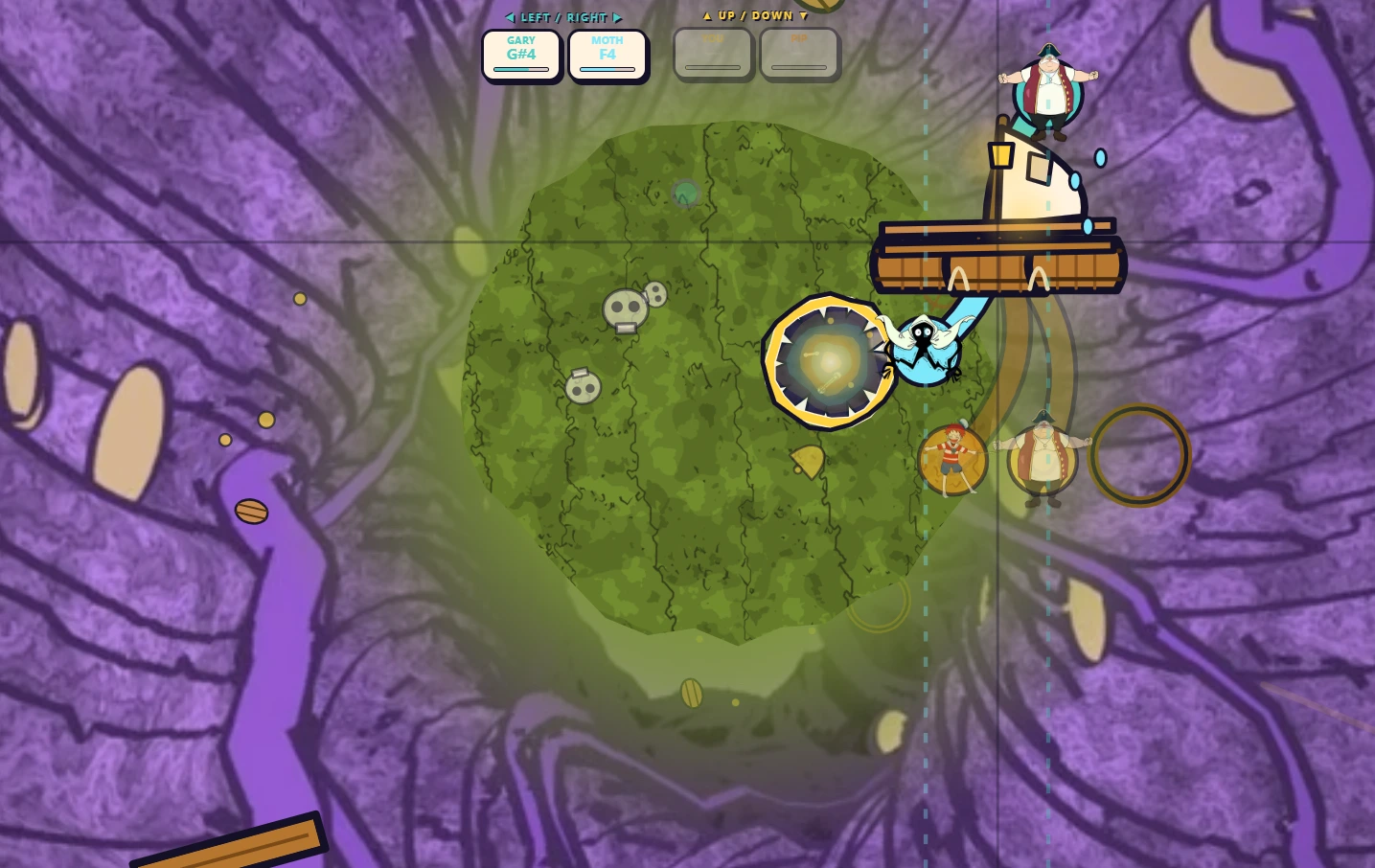
These local frames document the control feedback, characters, and play space used by the browser edition.
Field method · 03
A four-part routine makes microphone play more dependable without turning it into a volume contest.
Before chasing a result, name each axis clearly and make one caller responsible for the next opening. Record what changed and preserve settings that produced clear, comfortable control.
Before chasing a result, calibrate with natural humming and test both directions before starting a serious run. Record what changed and preserve settings that produced clear, comfortable control.
Before chasing a result, look ahead, choose the meeting point, and begin both corrections before the wall becomes urgent. Record what changed and preserve settings that produced clear, comfortable control.
Before chasing a result, hold a clear note, pause between commands, and avoid sliding through the threshold without purpose. Record what changed and preserve settings that produced clear, comfortable control.
Screening room · pending
Video links have not been supplied yet and will be added in a later update.
Archive handbook · 04
Sea Shanty Disaster turns a shared vehicle whose horizontal and vertical movement belong to different singers into a chamber that must be read before it can be cleared. The microphone is not a decorative novelty. It is the mechanism through which intention becomes movement, and that makes setup, timing, and feedback part of the game rather than chores outside it. A first attempt should therefore be treated as an inspection. Notice what the screen measures, how quickly the response appears, and which changes come from the player rather than the room. The archive framing rewards careful observation because a repeatable signal is more valuable than one dramatic result that cannot be explained or safely repeated.
The useful practice is to name each axis clearly and make one caller responsible for the next opening. Keep one variable stable while testing another: the same microphone position with a different pitch, the same vocal pattern at a gentler level, or the same route with an earlier call between players. This controlled approach protects the voice and produces evidence. If an attempt fails, identify the first point at which the game stopped matching the plan. A late correction may look like the final mistake even when poor calibration, noisy speakers, or an unclear team instruction created the problem several seconds earlier. Reading cause and effect turns quick failures into a practical route map.
Inside the Temple archive, every run can be imagined as a recovered trial whose symbols only make sense when compared. The visible meter, character pose, obstacle, or opponent is one inscription; the sound entering the microphone is another. Neither should be interpreted alone. Use headphones when possible, grant permission only to the intended page, and stop if performance becomes uncomfortable. Progress should come from clearer input and better decisions, not escalating strain. Once the opening becomes reliable, preserve it and change only the unfamiliar section. That method keeps replay focused while leaving room for the surprise and comedy that make a microphone game memorable.
This voice-driven browser game turns comfortable high and low zones that must be repeatable rather than impressive into a chamber that must be read before it can be cleared. The microphone is not a decorative novelty. It is the mechanism through which intention becomes movement, and that makes setup, timing, and feedback part of the game rather than chores outside it. A first attempt should therefore be treated as an inspection. Notice what the screen measures, how quickly the response appears, and which changes come from the player rather than the room. The archive framing rewards careful observation because a repeatable signal is more valuable than one dramatic result that cannot be explained or safely repeated.
The useful practice is to calibrate with natural humming and test both directions before starting a serious run. Keep one variable stable while testing another: the same microphone position with a different pitch, the same vocal pattern at a gentler level, or the same route with an earlier call between players. This controlled approach protects the voice and produces evidence. If an attempt fails, identify the first point at which the game stopped matching the plan. A late correction may look like the final mistake even when poor calibration, noisy speakers, or an unclear team instruction created the problem several seconds earlier. Reading cause and effect turns quick failures into a practical route map.
Inside the Temple archive, every run can be imagined as a recovered trial whose symbols only make sense when compared. The visible meter, character pose, obstacle, or opponent is one inscription; the sound entering the microphone is another. Neither should be interpreted alone. Use headphones when possible, grant permission only to the intended page, and stop if performance becomes uncomfortable. Progress should come from clearer input and better decisions, not escalating strain. Once the opening becomes reliable, preserve it and change only the unfamiliar section. That method keeps replay focused while leaving room for the surprise and comedy that make a microphone game memorable.
This voice-driven browser game turns two axes that must arrive at the same gap together into a chamber that must be read before it can be cleared. The microphone is not a decorative novelty. It is the mechanism through which intention becomes movement, and that makes setup, timing, and feedback part of the game rather than chores outside it. A first attempt should therefore be treated as an inspection. Notice what the screen measures, how quickly the response appears, and which changes come from the player rather than the room. The archive framing rewards careful observation because a repeatable signal is more valuable than one dramatic result that cannot be explained or safely repeated.
The useful practice is to look ahead, choose the meeting point, and begin both corrections before the wall becomes urgent. Keep one variable stable while testing another: the same microphone position with a different pitch, the same vocal pattern at a gentler level, or the same route with an earlier call between players. This controlled approach protects the voice and produces evidence. If an attempt fails, identify the first point at which the game stopped matching the plan. A late correction may look like the final mistake even when poor calibration, noisy speakers, or an unclear team instruction created the problem several seconds earlier. Reading cause and effect turns quick failures into a practical route map.
Inside the Temple archive, every run can be imagined as a recovered trial whose symbols only make sense when compared. The visible meter, character pose, obstacle, or opponent is one inscription; the sound entering the microphone is another. Neither should be interpreted alone. Use headphones when possible, grant permission only to the intended page, and stop if performance becomes uncomfortable. Progress should come from clearer input and better decisions, not escalating strain. Once the opening becomes reliable, preserve it and change only the unfamiliar section. That method keeps replay focused while leaving room for the surprise and comedy that make a microphone game memorable.
This voice-driven browser game turns pitch detection that benefits from held tones and clean transitions into a chamber that must be read before it can be cleared. The microphone is not a decorative novelty. It is the mechanism through which intention becomes movement, and that makes setup, timing, and feedback part of the game rather than chores outside it. A first attempt should therefore be treated as an inspection. Notice what the screen measures, how quickly the response appears, and which changes come from the player rather than the room. The archive framing rewards careful observation because a repeatable signal is more valuable than one dramatic result that cannot be explained or safely repeated.
The useful practice is to hold a clear note, pause between commands, and avoid sliding through the threshold without purpose. Keep one variable stable while testing another: the same microphone position with a different pitch, the same vocal pattern at a gentler level, or the same route with an earlier call between players. This controlled approach protects the voice and produces evidence. If an attempt fails, identify the first point at which the game stopped matching the plan. A late correction may look like the final mistake even when poor calibration, noisy speakers, or an unclear team instruction created the problem several seconds earlier. Reading cause and effect turns quick failures into a practical route map.
Inside the Temple archive, every run can be imagined as a recovered trial whose symbols only make sense when compared. The visible meter, character pose, obstacle, or opponent is one inscription; the sound entering the microphone is another. Neither should be interpreted alone. Use headphones when possible, grant permission only to the intended page, and stop if performance becomes uncomfortable. Progress should come from clearer input and better decisions, not escalating strain. Once the opening becomes reliable, preserve it and change only the unfamiliar section. That method keeps replay focused while leaving room for the surprise and comedy that make a microphone game memorable.
This voice-driven browser game turns a room where every extra voice can become accidental steering into a chamber that must be read before it can be cleared. The microphone is not a decorative novelty. It is the mechanism through which intention becomes movement, and that makes setup, timing, and feedback part of the game rather than chores outside it. A first attempt should therefore be treated as an inspection. Notice what the screen measures, how quickly the response appears, and which changes come from the player rather than the room. The archive framing rewards careful observation because a repeatable signal is more valuable than one dramatic result that cannot be explained or safely repeated.
The useful practice is to use short calls outside active humming and keep spectators quiet during difficult passages. Keep one variable stable while testing another: the same microphone position with a different pitch, the same vocal pattern at a gentler level, or the same route with an earlier call between players. This controlled approach protects the voice and produces evidence. If an attempt fails, identify the first point at which the game stopped matching the plan. A late correction may look like the final mistake even when poor calibration, noisy speakers, or an unclear team instruction created the problem several seconds earlier. Reading cause and effect turns quick failures into a practical route map.
Inside the Temple archive, every run can be imagined as a recovered trial whose symbols only make sense when compared. The visible meter, character pose, obstacle, or opponent is one inscription; the sound entering the microphone is another. Neither should be interpreted alone. Use headphones when possible, grant permission only to the intended page, and stop if performance becomes uncomfortable. Progress should come from clearer input and better decisions, not escalating strain. Once the opening becomes reliable, preserve it and change only the unfamiliar section. That method keeps replay focused while leaving room for the surprise and comedy that make a microphone game memorable.
This voice-driven browser game turns failure evidence that separates horizontal timing from vertical timing into a chamber that must be read before it can be cleared. The microphone is not a decorative novelty. It is the mechanism through which intention becomes movement, and that makes setup, timing, and feedback part of the game rather than chores outside it. A first attempt should therefore be treated as an inspection. Notice what the screen measures, how quickly the response appears, and which changes come from the player rather than the room. The archive framing rewards careful observation because a repeatable signal is more valuable than one dramatic result that cannot be explained or safely repeated.
The useful practice is to name which axis arrived early or late and change only that team's cue on the next attempt. Keep one variable stable while testing another: the same microphone position with a different pitch, the same vocal pattern at a gentler level, or the same route with an earlier call between players. This controlled approach protects the voice and produces evidence. If an attempt fails, identify the first point at which the game stopped matching the plan. A late correction may look like the final mistake even when poor calibration, noisy speakers, or an unclear team instruction created the problem several seconds earlier. Reading cause and effect turns quick failures into a practical route map.
Inside the Temple archive, every run can be imagined as a recovered trial whose symbols only make sense when compared. The visible meter, character pose, obstacle, or opponent is one inscription; the sound entering the microphone is another. Neither should be interpreted alone. Use headphones when possible, grant permission only to the intended page, and stop if performance becomes uncomfortable. Progress should come from clearer input and better decisions, not escalating strain. Once the opening becomes reliable, preserve it and change only the unfamiliar section. That method keeps replay focused while leaving room for the surprise and comedy that make a microphone game memorable.
This voice-driven browser game turns practice modes that reveal each responsibility before a full crew gathers into a chamber that must be read before it can be cleared. The microphone is not a decorative novelty. It is the mechanism through which intention becomes movement, and that makes setup, timing, and feedback part of the game rather than chores outside it. A first attempt should therefore be treated as an inspection. Notice what the screen measures, how quickly the response appears, and which changes come from the player rather than the room. The archive framing rewards careful observation because a repeatable signal is more valuable than one dramatic result that cannot be explained or safely repeated.
The useful practice is to learn one axis alone, then swap roles so every player understands the complete movement. Keep one variable stable while testing another: the same microphone position with a different pitch, the same vocal pattern at a gentler level, or the same route with an earlier call between players. This controlled approach protects the voice and produces evidence. If an attempt fails, identify the first point at which the game stopped matching the plan. A late correction may look like the final mistake even when poor calibration, noisy speakers, or an unclear team instruction created the problem several seconds earlier. Reading cause and effect turns quick failures into a practical route map.
Inside the Temple archive, every run can be imagined as a recovered trial whose symbols only make sense when compared. The visible meter, character pose, obstacle, or opponent is one inscription; the sound entering the microphone is another. Neither should be interpreted alone. Use headphones when possible, grant permission only to the intended page, and stop if performance becomes uncomfortable. Progress should come from clearer input and better decisions, not escalating strain. Once the opening becomes reliable, preserve it and change only the unfamiliar section. That method keeps replay focused while leaving room for the surprise and comedy that make a microphone game memorable.
This voice-driven browser game turns a design where individual accuracy still depends on collective rhythm into a chamber that must be read before it can be cleared. The microphone is not a decorative novelty. It is the mechanism through which intention becomes movement, and that makes setup, timing, and feedback part of the game rather than chores outside it. A first attempt should therefore be treated as an inspection. Notice what the screen measures, how quickly the response appears, and which changes come from the player rather than the room. The archive framing rewards careful observation because a repeatable signal is more valuable than one dramatic result that cannot be explained or safely repeated.
The useful practice is to review calls and timing without blaming one singer, because the useful unit of improvement is the shared plan. Keep one variable stable while testing another: the same microphone position with a different pitch, the same vocal pattern at a gentler level, or the same route with an earlier call between players. This controlled approach protects the voice and produces evidence. If an attempt fails, identify the first point at which the game stopped matching the plan. A late correction may look like the final mistake even when poor calibration, noisy speakers, or an unclear team instruction created the problem several seconds earlier. Reading cause and effect turns quick failures into a practical route map.
Inside the Temple archive, every run can be imagined as a recovered trial whose symbols only make sense when compared. The visible meter, character pose, obstacle, or opponent is one inscription; the sound entering the microphone is another. Neither should be interpreted alone. Use headphones when possible, grant permission only to the intended page, and stop if performance becomes uncomfortable. Progress should come from clearer input and better decisions, not escalating strain. Once the opening becomes reliable, preserve it and change only the unfamiliar section. That method keeps replay focused while leaving room for the surprise and comedy that make a microphone game memorable.
Browser checklist · 05
Use a current desktop browser for the clearest permission controls. Select the intended microphone in the operating system, reload after changing access, and click inside the iframe before deciding that input has failed. Managed school or workplace devices may block capture by policy.
On phones and tablets, keep the browser in the foreground and use the orientation that leaves the complete interface visible. Mobile systems may switch microphones or suspend audio when another application opens, so close voice chat and recording tools before retrying.
Protect both privacy and comfort. The embedded game receives live microphone input after permission is granted, but this guide does not record or publish it. Stop when the throat or ears feel strained, and never pressure another participant to perform or be recorded.
Questions · 07
Useful answers with minimal spoilers and clear browser guidance.
Yes. Launch the embedded HTML5 build above and allow microphone access when the browser asks.
Players hum high and low notes. One role influences the horizontal axis while another influences the vertical axis.
No. Clear, comfortable, repeatable pitch zones matter more than musical polish or extreme vocal range.
Headphones stop game music and other voices from returning through speakers and confusing pitch detection.
The available modes can help a player learn the roles before organizing a local cooperative session.
Recheck calibration, microphone selection, room noise, and whether another voice or speaker is entering the active input.
It may work in a current mobile browser, but microphone behavior and fullscreen support vary by device.
Not yet. The video area is reserved for a later update when accurate links are supplied.
No. This is an independent archive page that embeds the supplied browser build and provides an original play guide.