 01
01Establish the baseline
Learn the morning pattern before treating every strange detail as equal evidence.

EVERYDAY I WAKE UP
Contains medication, psychological distress, anxiety, dependency, possible manipulation, and blood marks.Archive game / Psychological visual novel
Wake inside a medication routine that should feel ordinary, then watch Anxiety, Awareness, room details, and Evren turn reassurance into a question that cannot be answered by one meter.
















Intake record / 01
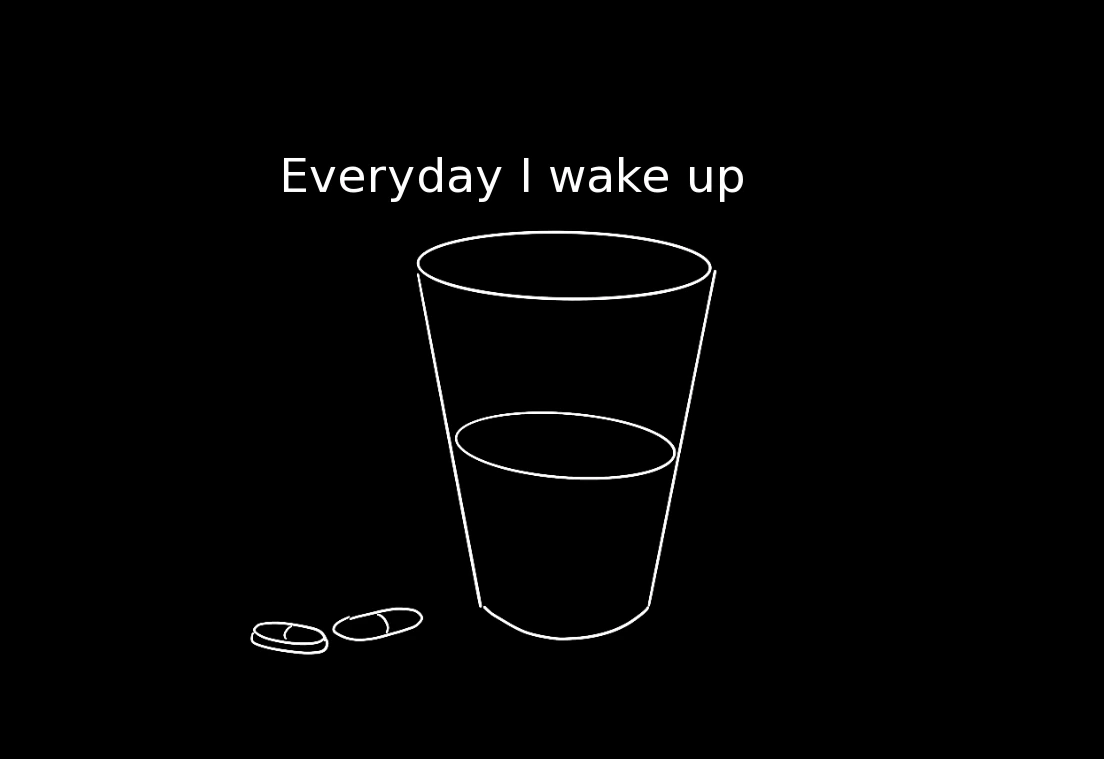
Over Dose begins with pills, water, and repetition. The protagonist wakes into a pattern that appears manageable until room details, status values, and Evren make it difficult to tell whether care is preserving stability or defining what the protagonist is allowed to know.
This Temple archive reads the demo as a damaged case file rather than a completed diagnosis. The playable frame, five local images, two supplied videos, route analysis, browser notes, ten FAQs, and unofficial ending reflection keep verified evidence separate from speculation.
01Learn the morning pattern before treating every strange detail as equal evidence.
 02
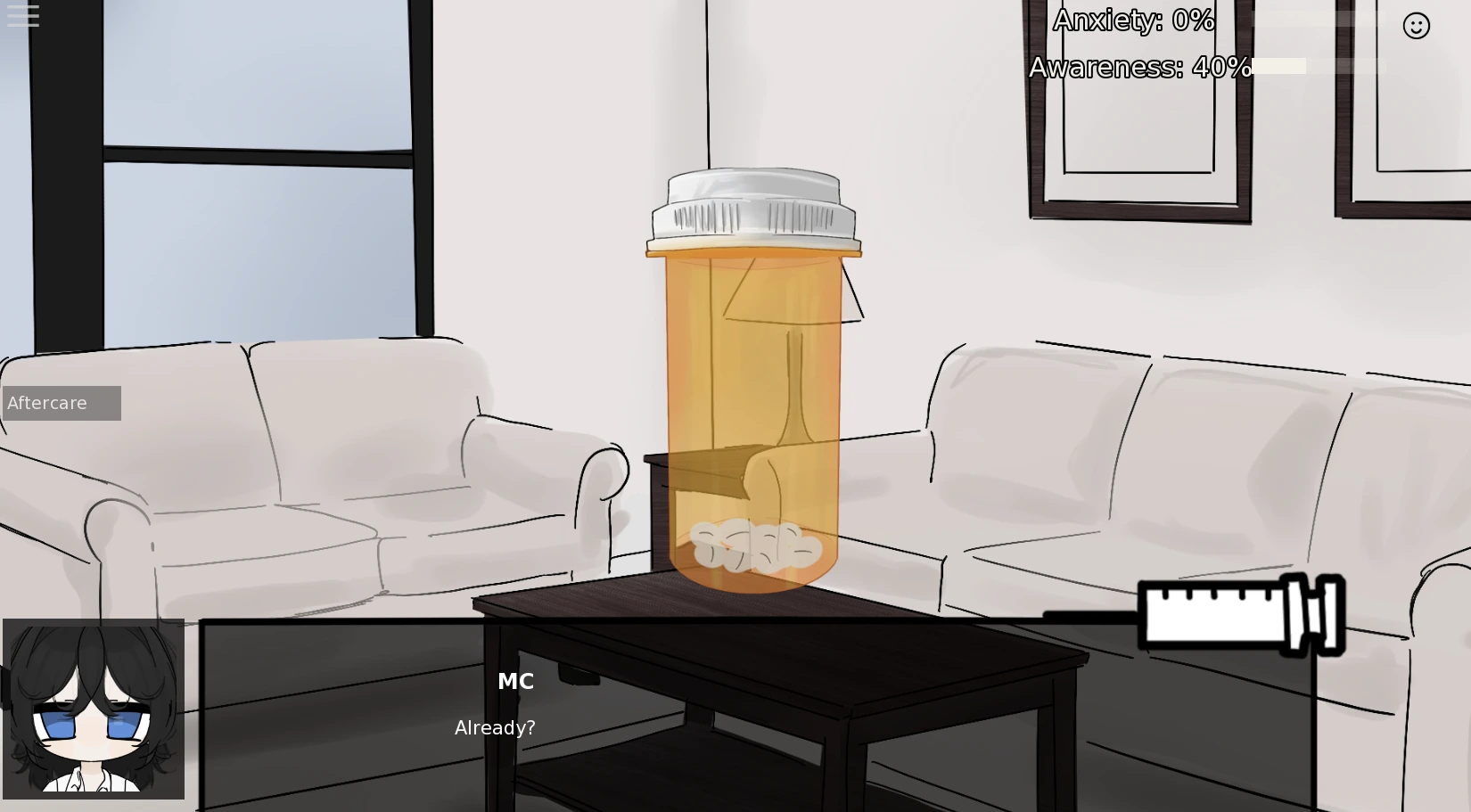
02Anxiety and Awareness describe different pressures; neither is a complete morality score.
 03
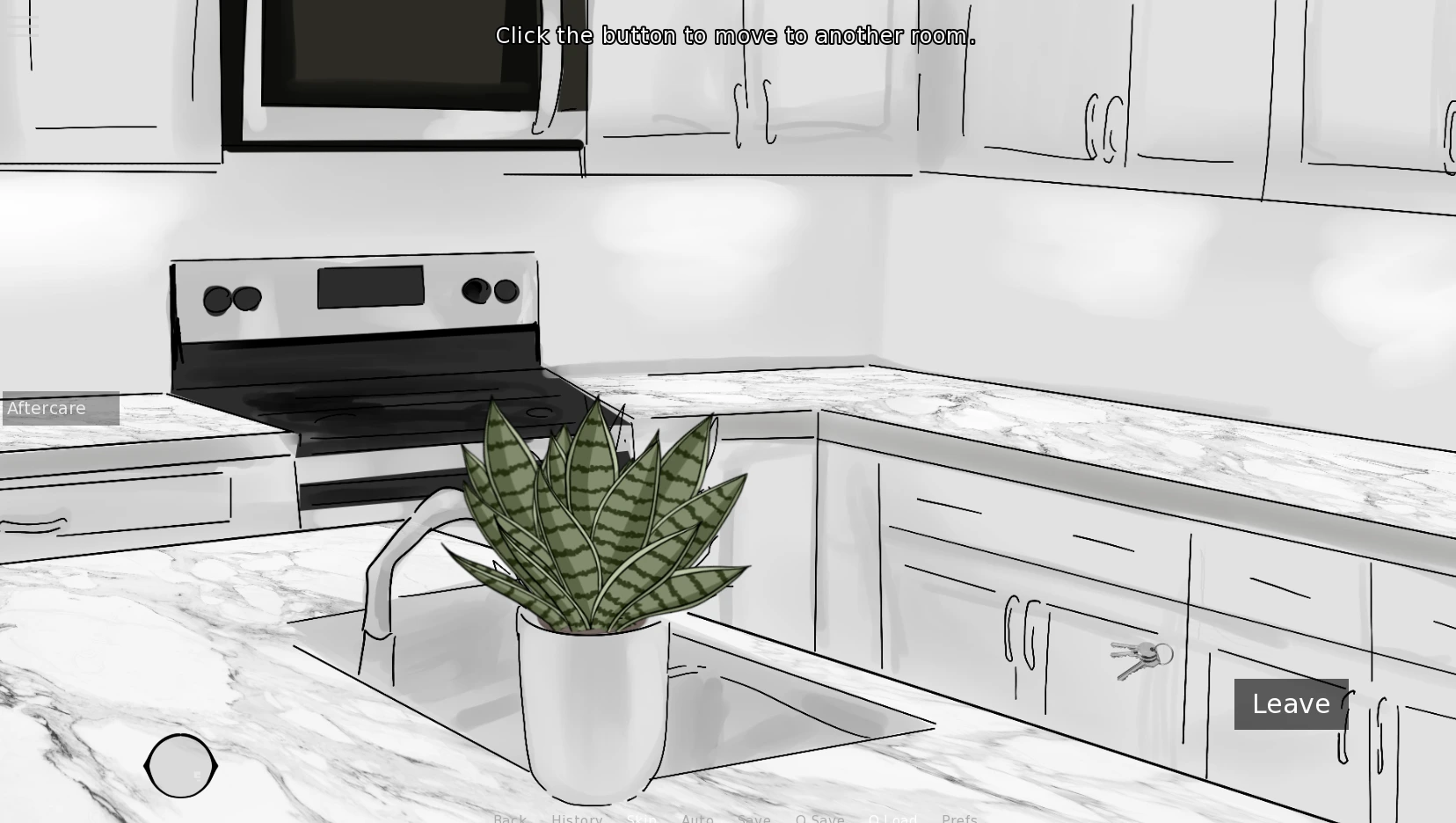
03Repeated objects and exits can preserve contradictions that reassurance tries to smooth over.
 04
04Use aftercare and replay to decide whether comfort restored agency or postponed a question.
Case evidence / 02
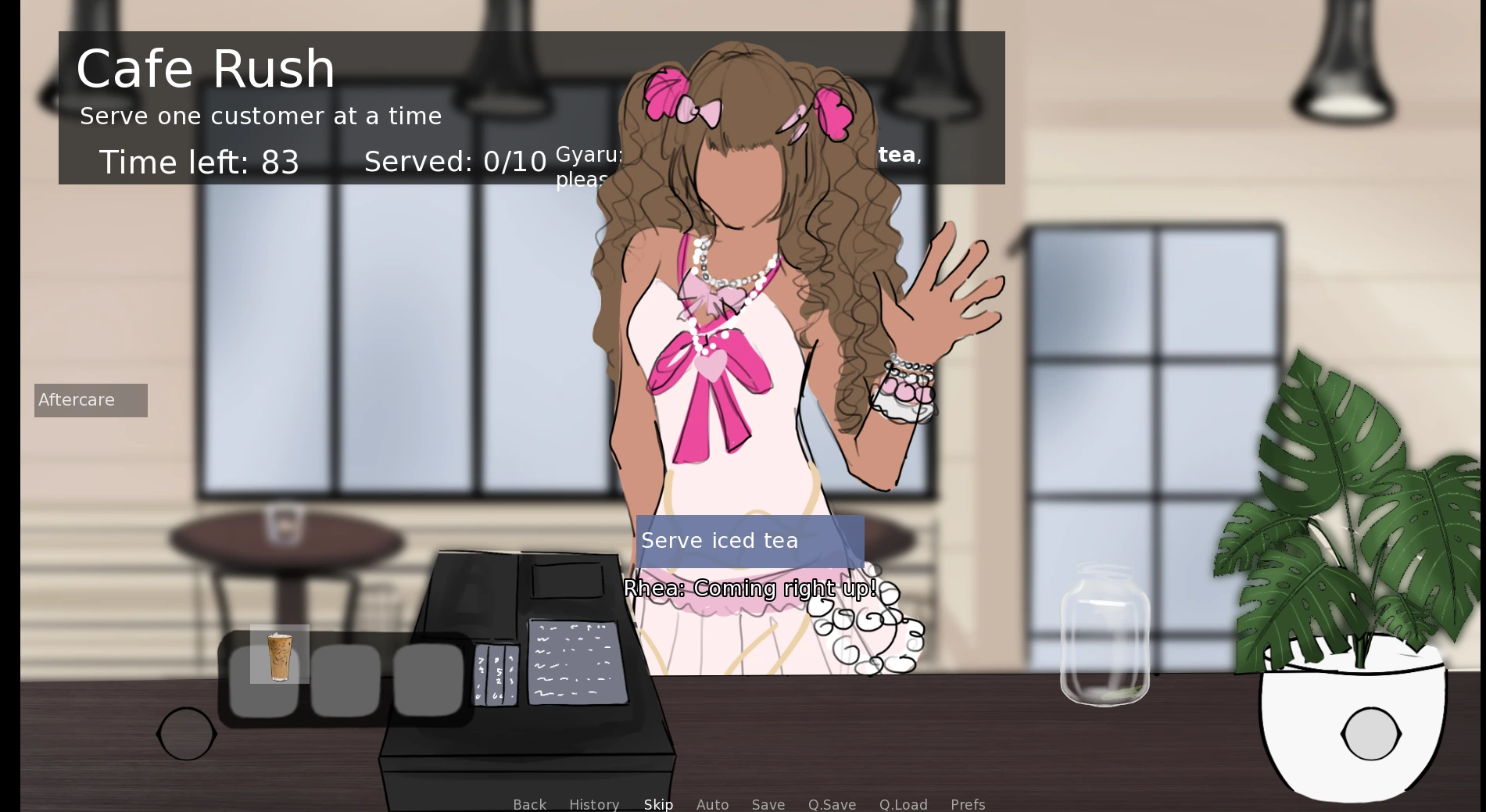
The supplied frames document medicine, status feedback, room navigation, Evren's patient chart, and a timed cafe sequence.
Reading procedure / 03
Preserve one priority long enough for the demo to show what it costs.
Identify what repeats, who explains it, and what the protagonist is expected to accept without comparison.
Anxiety can make information difficult to pursue without making that information false.
Choose a consistent attitude toward medicine, exploration, reassurance, or closeness so the route remains readable.
Change one repeated decision on replay rather than selecting every opposite response at once.
Screening room / 04
The two supplied recordings provide additional context for the visual novel interface, scenes, and route behavior.
Preview dialogue, atmosphere, and the visual language that makes repetition important.
Watch a second perspective before deciding which details deserve attention on replay.
Archive essay / 05
The pills and glass are not background decoration; they establish the repeated ritual against which later inconsistencies can be measured. Over Dose builds psychological pressure from systems that normally promise clarity: medicine labels treatment, a doctor labels care, a meter labels emotion, and a room label suggests that space is stable. Yet a label can describe only the part of reality its author wants measured. The player must compare visible feedback with memory, dialogue, and behavior instead of surrendering interpretation to the cleanest interface.
The Temple of the Jackal archive angle treats each scene like a chamber containing several moving pieces. Anxiety, Awareness, Evren's reaction, available exits, objects, and the protagonist's willingness to question the routine all shift together after a choice. A useful response preserves evidence before seeking a comforting interpretation. This distinction keeps safety planning from becoming passive acceptance and keeps curiosity from becoming reckless escalation.
Replay should test one inscription at a time. Keep the protagonist's broader attitude stable, revise one response to reassurance or one decision to explore, and observe what changes later. The cafe sequence and aftercare scenes widen the rhythm beyond dialogue while maintaining the same question: who defines successful behavior? Because the current build calls itself a demo, the honest endpoint is a route tendency, not a promised final canon. The interactive result below follows that rule and never reads game save data.
Recognizing a contradiction gives the protagonist information, but knowledge alone does not remove emotional or institutional pressure. Over Dose builds psychological pressure from systems that normally promise clarity: medicine labels treatment, a doctor labels care, a meter labels emotion, and a room label suggests that space is stable. Yet a label can describe only the part of reality its author wants measured. The player must compare visible feedback with memory, dialogue, and behavior instead of surrendering interpretation to the cleanest interface.
The Temple of the Jackal archive angle treats each scene like a chamber containing several moving pieces. Anxiety, Awareness, Evren's reaction, available exits, objects, and the protagonist's willingness to question the routine all shift together after a choice. A cautious response can delay confrontation without agreeing that no contradiction exists. This distinction keeps safety planning from becoming passive acceptance and keeps curiosity from becoming reckless escalation.
Replay should test one inscription at a time. Keep the protagonist's broader attitude stable, revise one response to reassurance or one decision to explore, and observe what changes later. The cafe sequence and aftercare scenes widen the rhythm beyond dialogue while maintaining the same question: who defines successful behavior? Because the current build calls itself a demo, the honest endpoint is a route tendency, not a promised final canon. The interactive result below follows that rule and never reads game save data.
A rising value can mark the burden of investigation rather than proving the player selected a wrong answer. Over Dose builds psychological pressure from systems that normally promise clarity: medicine labels treatment, a doctor labels care, a meter labels emotion, and a room label suggests that space is stable. Yet a label can describe only the part of reality its author wants measured. The player must compare visible feedback with memory, dialogue, and behavior instead of surrendering interpretation to the cleanest interface.
The Temple of the Jackal archive angle treats each scene like a chamber containing several moving pieces. Anxiety, Awareness, Evren's reaction, available exits, objects, and the protagonist's willingness to question the routine all shift together after a choice. A useful response preserves evidence before seeking a comforting interpretation. This distinction keeps safety planning from becoming passive acceptance and keeps curiosity from becoming reckless escalation.
Replay should test one inscription at a time. Keep the protagonist's broader attitude stable, revise one response to reassurance or one decision to explore, and observe what changes later. The cafe sequence and aftercare scenes widen the rhythm beyond dialogue while maintaining the same question: who defines successful behavior? Because the current build calls itself a demo, the honest endpoint is a route tendency, not a promised final canon. The interactive result below follows that rule and never reads game save data.
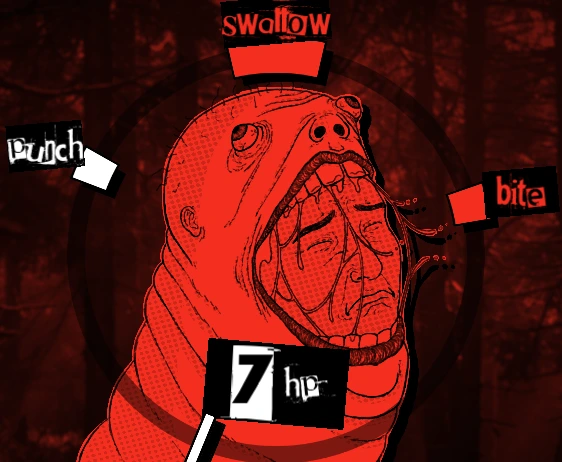
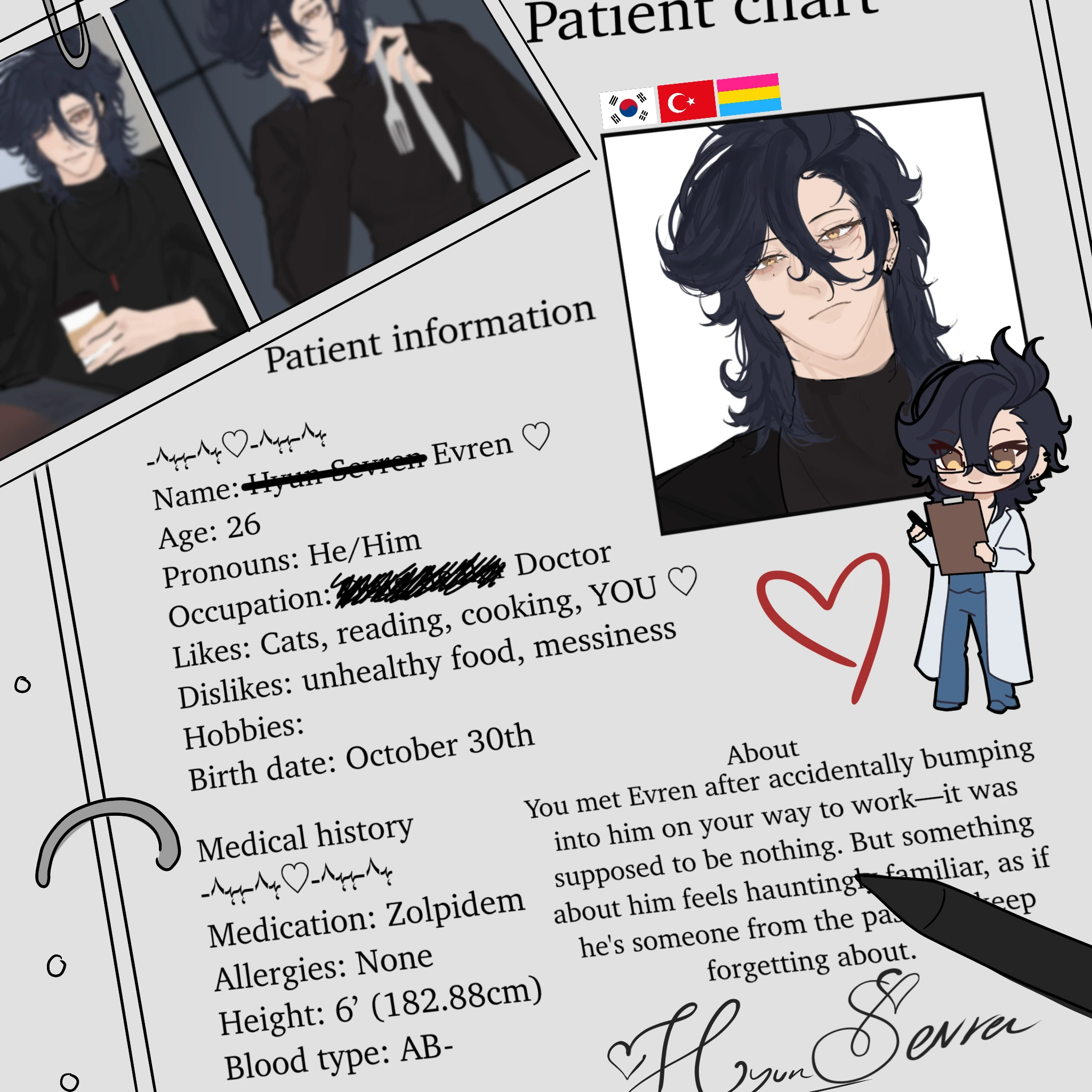
The patient chart presents a 26-year-old doctor whose familiarity, care, attraction, and authority resist a single trustworthy label. Over Dose builds psychological pressure from systems that normally promise clarity: medicine labels treatment, a doctor labels care, a meter labels emotion, and a room label suggests that space is stable. Yet a label can describe only the part of reality its author wants measured. The player must compare visible feedback with memory, dialogue, and behavior instead of surrendering interpretation to the cleanest interface.
The Temple of the Jackal archive angle treats each scene like a chamber containing several moving pieces. Anxiety, Awareness, Evren's reaction, available exits, objects, and the protagonist's willingness to question the routine all shift together after a choice. A cautious response can delay confrontation without agreeing that no contradiction exists. This distinction keeps safety planning from becoming passive acceptance and keeps curiosity from becoming reckless escalation.
Replay should test one inscription at a time. Keep the protagonist's broader attitude stable, revise one response to reassurance or one decision to explore, and observe what changes later. The cafe sequence and aftercare scenes widen the rhythm beyond dialogue while maintaining the same question: who defines successful behavior? Because the current build calls itself a demo, the honest endpoint is a route tendency, not a promised final canon. The interactive result below follows that rule and never reads game save data.
Quiet recovery scenes let the player reconsider what just happened and whether reassurance restored agency or merely ended discomfort. Over Dose builds psychological pressure from systems that normally promise clarity: medicine labels treatment, a doctor labels care, a meter labels emotion, and a room label suggests that space is stable. Yet a label can describe only the part of reality its author wants measured. The player must compare visible feedback with memory, dialogue, and behavior instead of surrendering interpretation to the cleanest interface.
The Temple of the Jackal archive angle treats each scene like a chamber containing several moving pieces. Anxiety, Awareness, Evren's reaction, available exits, objects, and the protagonist's willingness to question the routine all shift together after a choice. A useful response preserves evidence before seeking a comforting interpretation. This distinction keeps safety planning from becoming passive acceptance and keeps curiosity from becoming reckless escalation.
Replay should test one inscription at a time. Keep the protagonist's broader attitude stable, revise one response to reassurance or one decision to explore, and observe what changes later. The cafe sequence and aftercare scenes widen the rhythm beyond dialogue while maintaining the same question: who defines successful behavior? Because the current build calls itself a demo, the honest endpoint is a route tendency, not a promised final canon. The interactive result below follows that rule and never reads game save data.
Doors, kitchens, medicine, exits, and repeated domestic objects become evidence when memory and explanation disagree. Over Dose builds psychological pressure from systems that normally promise clarity: medicine labels treatment, a doctor labels care, a meter labels emotion, and a room label suggests that space is stable. Yet a label can describe only the part of reality its author wants measured. The player must compare visible feedback with memory, dialogue, and behavior instead of surrendering interpretation to the cleanest interface.
The Temple of the Jackal archive angle treats each scene like a chamber containing several moving pieces. Anxiety, Awareness, Evren's reaction, available exits, objects, and the protagonist's willingness to question the routine all shift together after a choice. A cautious response can delay confrontation without agreeing that no contradiction exists. This distinction keeps safety planning from becoming passive acceptance and keeps curiosity from becoming reckless escalation.
Replay should test one inscription at a time. Keep the protagonist's broader attitude stable, revise one response to reassurance or one decision to explore, and observe what changes later. The cafe sequence and aftercare scenes widen the rhythm beyond dialogue while maintaining the same question: who defines successful behavior? Because the current build calls itself a demo, the honest endpoint is a route tendency, not a promised final canon. The interactive result below follows that rule and never reads game save data.
A timed service sequence interrupts reflective reading and asks the player to act while still carrying uncertainty from the story. Over Dose builds psychological pressure from systems that normally promise clarity: medicine labels treatment, a doctor labels care, a meter labels emotion, and a room label suggests that space is stable. Yet a label can describe only the part of reality its author wants measured. The player must compare visible feedback with memory, dialogue, and behavior instead of surrendering interpretation to the cleanest interface.
The Temple of the Jackal archive angle treats each scene like a chamber containing several moving pieces. Anxiety, Awareness, Evren's reaction, available exits, objects, and the protagonist's willingness to question the routine all shift together after a choice. A useful response preserves evidence before seeking a comforting interpretation. This distinction keeps safety planning from becoming passive acceptance and keeps curiosity from becoming reckless escalation.
Replay should test one inscription at a time. Keep the protagonist's broader attitude stable, revise one response to reassurance or one decision to explore, and observe what changes later. The cafe sequence and aftercare scenes widen the rhythm beyond dialogue while maintaining the same question: who defines successful behavior? Because the current build calls itself a demo, the honest endpoint is a route tendency, not a promised final canon. The interactive result below follows that rule and never reads game save data.
The build labels itself a demo, so a responsible guide can discuss tendencies and evidence without declaring unconfirmed final endings. Over Dose builds psychological pressure from systems that normally promise clarity: medicine labels treatment, a doctor labels care, a meter labels emotion, and a room label suggests that space is stable. Yet a label can describe only the part of reality its author wants measured. The player must compare visible feedback with memory, dialogue, and behavior instead of surrendering interpretation to the cleanest interface.
The Temple of the Jackal archive angle treats each scene like a chamber containing several moving pieces. Anxiety, Awareness, Evren's reaction, available exits, objects, and the protagonist's willingness to question the routine all shift together after a choice. A cautious response can delay confrontation without agreeing that no contradiction exists. This distinction keeps safety planning from becoming passive acceptance and keeps curiosity from becoming reckless escalation.
Replay should test one inscription at a time. Keep the protagonist's broader attitude stable, revise one response to reassurance or one decision to explore, and observe what changes later. The cafe sequence and aftercare scenes widen the rhythm beyond dialogue while maintaining the same question: who defines successful behavior? Because the current build calls itself a demo, the honest endpoint is a route tendency, not a promised final canon. The interactive result below follows that rule and never reads game save data.
Browser procedure / 06
Press the launch button, allow the remote files to load, and click inside the frame before testing dialogue, room controls, sound, or timed input. Desktop fullscreen is recommended because small status text and object prompts matter.
If the player remains blank, refresh once and check extensions or networks that block scripts, storage, media, or iframes. Save behavior may depend on browser storage; private mode, profile changes, or clearing site data can remove progress.
Questions · 07
Useful answers with minimal spoilers and clear browser guidance.
Over Dose is a psychological visual novel demo about medication, Anxiety, Awareness, room exploration, aftercare, and a complicated relationship with the doctor Evren.
Yes. Launch the embedded browser build above without installing a separate application.
The supplied chart describes Evren as a 26-year-old doctor whose connection to the protagonist feels unusually familiar.
They provide different kinds of route feedback; one reflects pressure while the other reflects recognition, and neither is a complete morality score.
Yes. The screenshots show room movement prompts, clickable objects, an exit option, and an interface for carrying or using items.
Aftercare is a quieter route option associated with recovery and reflection after an intense scene.
It is a timed task where the player serves one customer at a time and responds to visible drink requests.
No. This page provides an unofficial route tendency based only on your quiz answers and does not claim to reveal confirmed endings.
It may load on a current mobile browser, but desktop fullscreen provides clearer text and more reliable timed input.
Wait for assets, click the frame, refresh once, and check extensions or network filters.
Review it first; the demo includes medication, distress, anxiety, dependency, possible manipulation, blood marks, and an uneasy doctor-patient dynamic.
Interactive route reflection
Choose one response in each scene to reveal your route tendency.